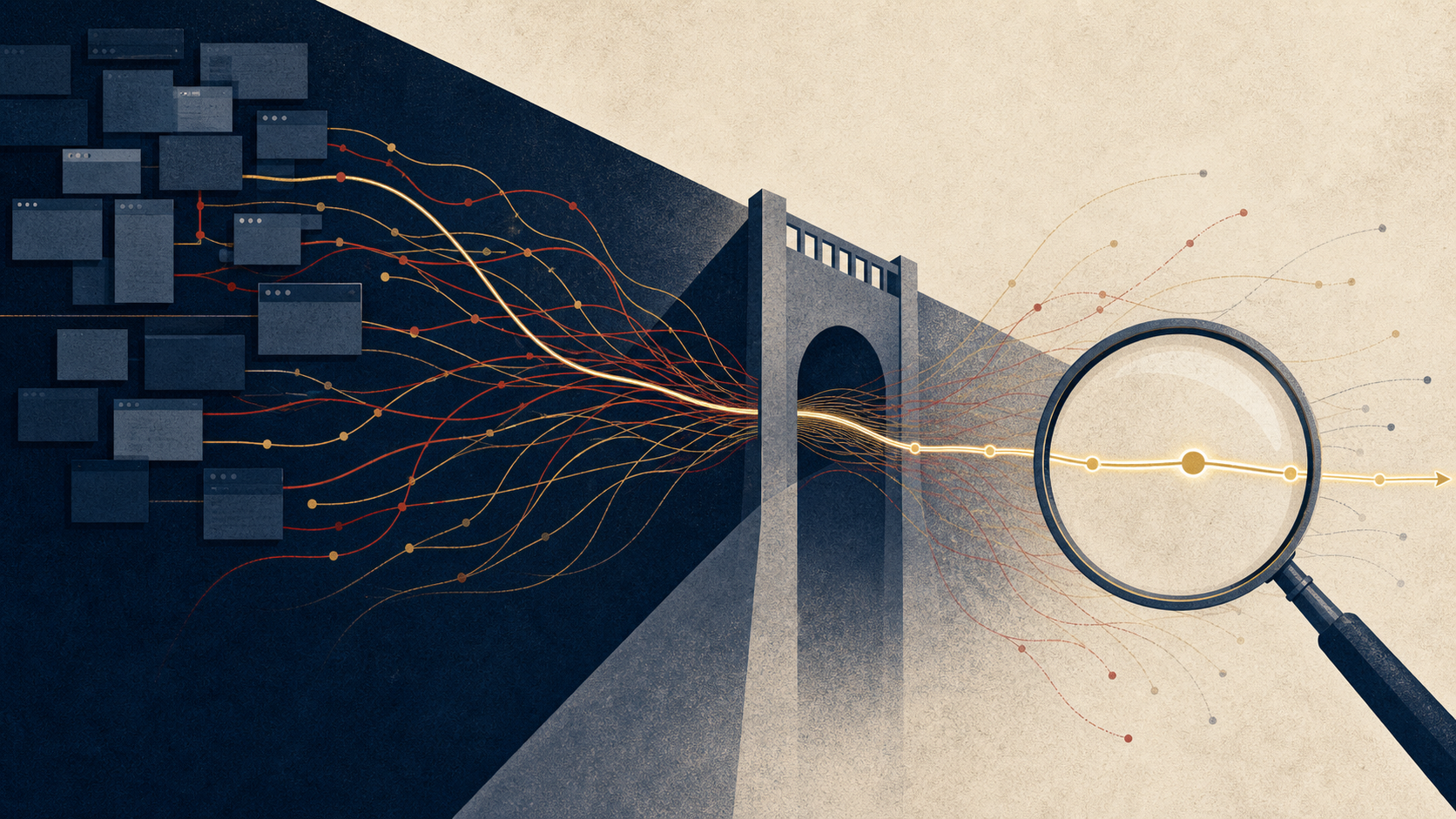
When a scam runs on cryptocurrency, it leaves a trail — and a small industry of blockchain-intelligence firms exists to follow it. Ahead of the 2026 World Cup, one of them, TRM Labs, has been tracing the on-chain footprint of the fraud being built around the tournament. Their early findings are useful precisely because they are early: the picture is of infrastructure being assembled before the crowd arrives, the digital equivalent of catching the fake ticket booths going up before the gates open. For Filipino fans, the report carries a specific lesson about why the crypto pitch, in particular, is one to walk away from.
What the trackers are seeing
TRM Labs describes several distinct crypto-scam typologies organized around the tournament. There are fake ticketing sites that take cryptocurrency for tickets that will never arrive. There are fixed-match betting pitches — the oldest con in sport, modernized — promising guaranteed results in return for an up-front crypto deposit. There are fan-branded meme coins launched to ride the tournament's hype and dumped on the buyers. And there are clone-ready phishing kits, sold by scammers to other scammers, that let a buyer spin up a convincing fake site in minutes. In one slice of its tracing, TRM tied three distinct operations to four crypto addresses: two fake-ticketing sites and one fixed-match betting pitch.
The striking detail is the scale: the amounts received so far were tiny — under roughly $1,700 across the addresses first identified, with some infrastructure not yet having taken a single victim. That is not good news; it is a timestamp. Researchers are watching the scaffolding go up. The threat researchers at Insikt Group have separately counted more than 1,100 suspicious domains containing the words "World" and "Cup" since April, over 600 typosquatting fifa.com, and 260 splicing FIFA branding with host-city names — and the FBI's Internet Crime Complaint Center issued a public warning in late May about actors spoofing FIFA sites. The construction phase is well underway. The volume comes when the matches do.
The amounts captured so far are tiny — not because the scams failed, but because researchers are watching the scaffolding go up. The volume arrives when the matches do.
On why a low current total is a timestamp, not reassuranceWhy crypto, and why bridges
Cryptocurrency is attractive to these operations for the same reasons it is attractive to anyone moving money they would rather not have followed: it crosses borders instantly, it does not require a bank's permission, and — contrary to the popular myth of anonymity — it can be obscured with enough effort. That last step is where cross-chain bridges come in. A bridge moves value from one blockchain to another, and scammers chain these hops together, along with custodial exchange accounts, to put distance between the wallet that received a victim's payment and the wallet that eventually cashes out. TRM has noted that, across the broader pattern, scammers have moved on the order of $1.9 billion through bridges over time. World Cup fraud is a small, recent tributary of that river — but it uses the same plumbing, which is why firms that map the plumbing can spot it early.
The Philippine connection: the payment rail is the tell
For a Filipino reader, the most actionable part of this is not the blockchain forensics — it is what the crypto angle reveals about who is asking. The Philippines spent the past year deliberately cutting cryptocurrency and credit-card funding out of the licensed betting channel, a harm-reduction move we examined in our piece on the payment crackdown meeting peak World Cup demand. The licensed market runs on traceable, regulated rails with source-of-funds checks. Crypto is, by design, the rail that offshore and unlicensed operators lean on to reach Filipino customers anyway. So when a betting site, a ticket seller, or a "guaranteed pick" service asks to be paid in crypto, the payment method is itself the diagnosis: you are dealing with something outside the licensed perimeter, and therefore outside every consumer protection that perimeter carries.
The fixed-match pitch deserves its own warning, because it preys on exactly the integrity anxiety that real authorities are working to manage. As we covered in our reporting on match-fixing and the integrity monitoring around the tournament, genuine manipulation is rare, heavily surveilled, and certainly not something a stranger would sell you access to over a messaging app. Anyone offering a guaranteed result for an up-front deposit is running the con, not letting you in on one.
How to read a crypto betting pitch before it reads your wallet
The defensive rules are simple and they hold across all of these typologies. Buy tickets and place bets only through official, licensed channels — verify an operator against PAGCOR's licensee list rather than trusting a slick site or a social-media ad. Treat any request for payment in cryptocurrency as a reason to stop, not proceed. Ignore "guaranteed" or "fixed" outcomes entirely; they are the signature of a scam. Be sceptical of tournament-themed tokens and coins promising quick returns. And remember that a crypto transaction, once sent, is effectively irreversible — there is no chargeback, no bank to call, and, as TRM's bridge tracing shows, a decent chance the money is several blockchains away before you realize it is gone. Our checklist for spotting an illegal betting site and our reporting on the ghost-stadium domain scams cover the wider red-flag set.
The bottom line
The crypto scam economy around the World Cup is real, it is already built, and it is being watched on-chain by firms that can follow the money even through bridges. The current dollar totals are small because the tournament's peak has not yet hit — that is the warning, not the relief. For Filipinos, the cleanest defence is also the simplest: the licensed market does not run on crypto, so a crypto pitch is a pitch from outside it. Stay on the regulated rails, refuse the "guaranteed" pick, and keep your wallet on the chain you can still call a bank about.
Frequently Asked Questions
Sources
- TRM Labs, "Tracking Crypto Scammers Ahead of the 2026 World Cup"
- Decrypt, "World Cup Crypto Scams Are Targeting Soccer Fans, Law Enforcement Warns"
- FBI Internet Crime Complaint Center (IC3), Public Service Announcement, "Threat Actors Spoofing FIFA Websites in Advance of the 2026 World Cup" (PSA 260527)
- Recorded Future / Insikt Group, World Cup 2026 domain-threat research
- PH Gaming Intel, "Friction by Design: How the Philippines' Payment Crackdown Meets Peak World Cup Demand"
- PH Gaming Intel, "The Integrity Net Around the 2026 World Cup — and the Offshore Gap It Cannot Cover"