Recent Coverage
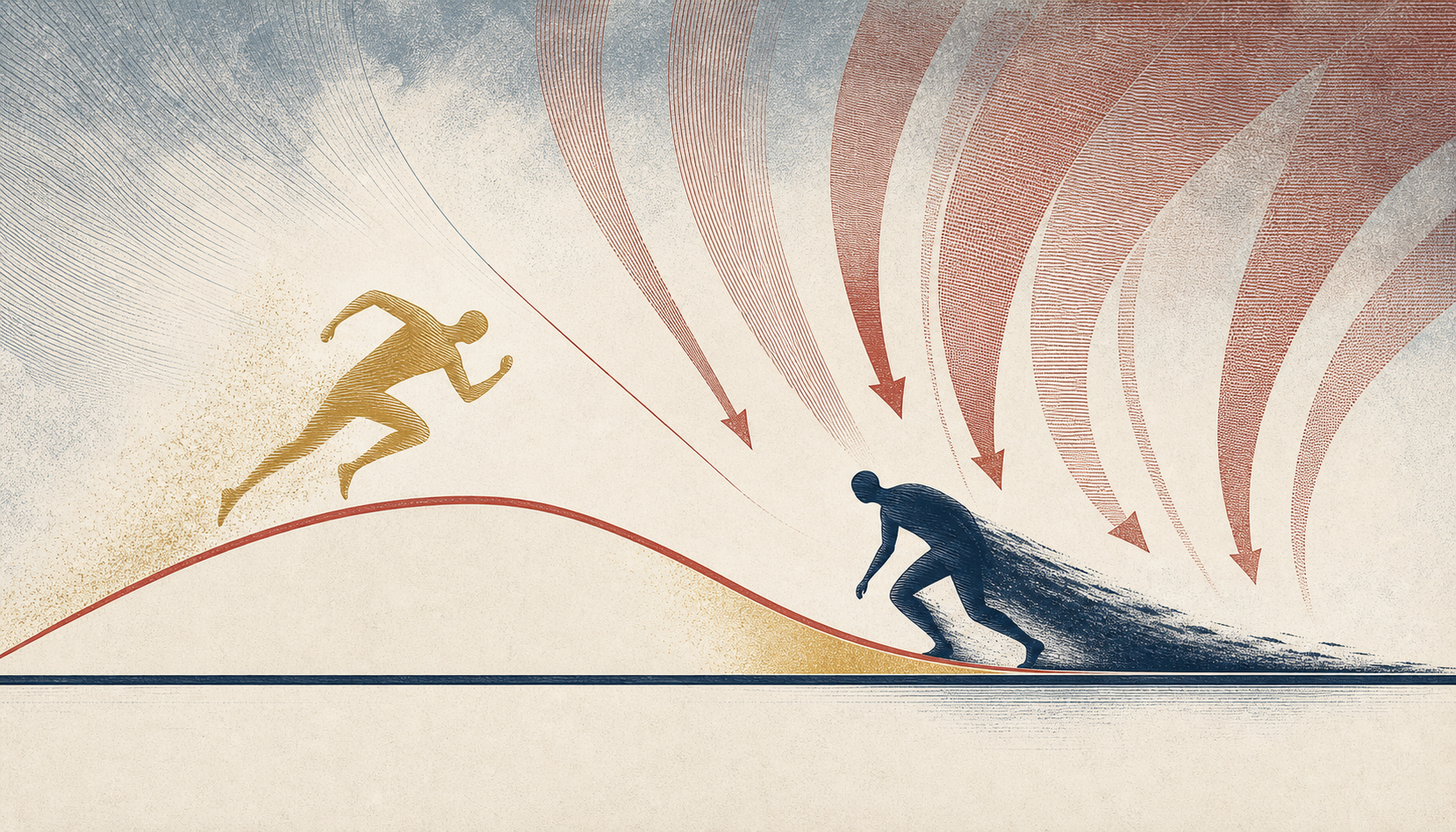
Fresh Legs, Tired Story: Why 'Fatigue' and 'Rest-Day' Narratives Move Quarter-Final Prices More Than They Should
The 2026 World Cup's quarter-finals, played July 9-11, arrive with an eight-team field that reached the last eight by very different roads. Switzerland spent 120 minutes and a penalty shootout to get past Colombia; others were home inside 90. By the time the elite-eight prices go up, the app is full of one word: fatigue. Rest and tiredness are real, physical things — and that is exactly what makes the narrative so easy to sell and so easy to overpay for. No tips, no picks — just why a genuine factor becomes a mispriced story, why you cannot measure a squad's freshness better than the book can, and how to tell analysis from a feeling dressed as analysis.
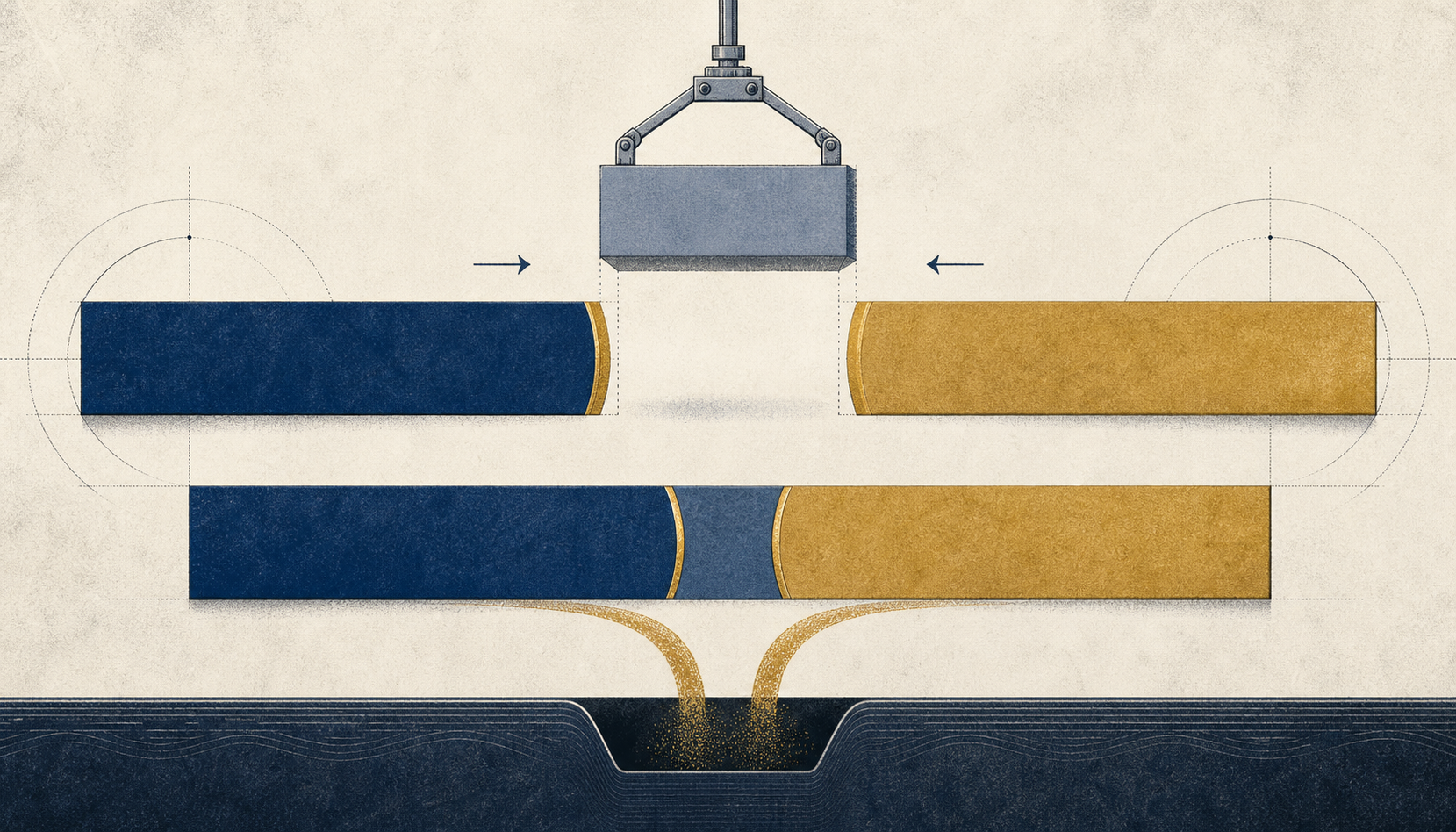
Removing the Draw: What Asian Handicap and Draw-No-Bet Markets Really Cost in a Tight Quarter-Final
The 2026 World Cup quarter-finals, played July 9-11, are the kind of tight, even ties — Spain against Belgium, Argentina against Switzerland — where the sportsbook stops leading with the plain match-winner market and starts pushing something that looks safer: draw-no-bet and Asian handicap. These markets genuinely change the shape of the risk. What they do not do is remove the house edge — they repackage it into a shorter price. No tips, no picks — just what draw-no-bet and Asian handicap actually settle on, why 'safer' is not the same as 'better value', and why removing the draw in knockout football means removing a real and common outcome.

The 'Free' in Free Bet: Why a Bonus Bet Is Worth Less Than Its Face Value
As the 2026 World Cup reaches its July 9-11 quarter-finals, the offer that floods every betting app is the free bet: 'Bet ₱1,000, get ₱500 free.' It is the word 'free' doing an enormous amount of quiet work. A free bet has real value, but that value is systematically less than the number printed on it — often only about 60 to 70 percent — and the conditions around it can shrink it further. No tips, no picks — just why a free bet's stake is not returned, what wagering requirements and minimum-odds rules actually do, and why 'bet ₱1,000 to unlock ₱500' means the money was never free in the first place.
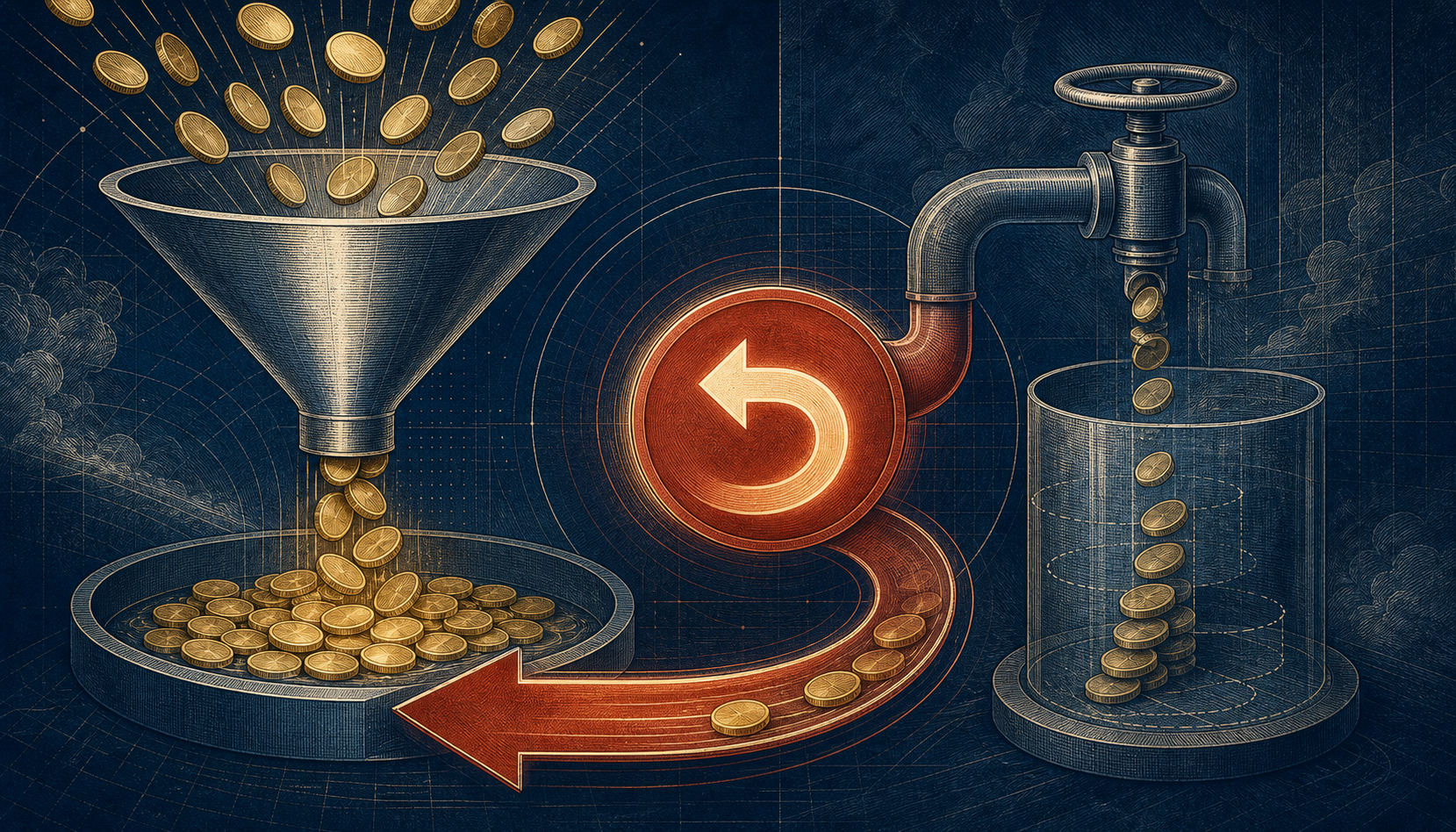
The Pending-Withdrawal Trap: How 'Reverse Withdrawal' Design Keeps Your Money in Play
Depositing on a betting app is instant. Withdrawing is not. As the 2026 World Cup reaches its July 9-11 quarter-finals and more Filipino bettors try to take winnings out, many meet the same wall: a 'pending' payout that sits for hours or days, alongside a single button that offers to cancel it and put the money straight back into the betting balance. That asymmetry is not a technical limitation — it is a design choice. No tips, no picks — just why the pending window exists, how cancel-withdrawal design re-tempts money that was on its way out, and why the defence is to treat a requested withdrawal as already spent.
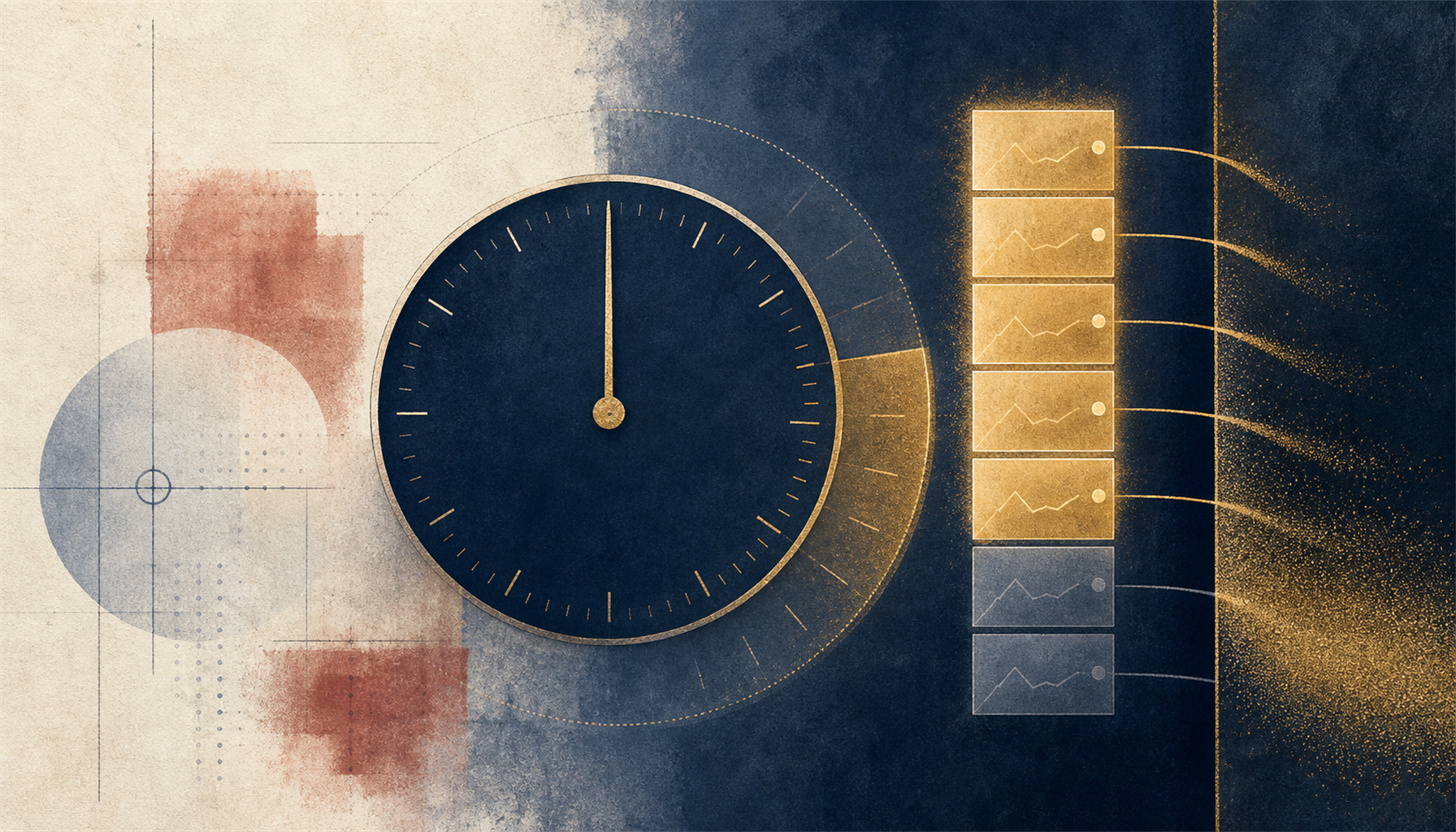
The Extra Thirty Minutes: How Knockout Extra Time Opens a Second In-Play Betting Window Priced in the House's Favour
As the 2026 World Cup reached its Round of 16 over the weekend of July 4-6, the format handed bettors something the group stage never did: a match that refuses to end. When a last-16 tie is level after 90 minutes, it goes to 30 minutes of extra time, and if still level, to penalties. For the sportsbook, those extra minutes are not just more football — they are a second in-play betting window, a fresh board of live markets reopened on tired legs, and another stretch of turnover on which the house margin is quietly collected. No tips, no picks — just why extra time extends your exposure rather than your edge, why a longer match means more margin and more chances to chase, and why the tiredest, most random half-hour of the tournament is exactly when the live board lights up brightest.
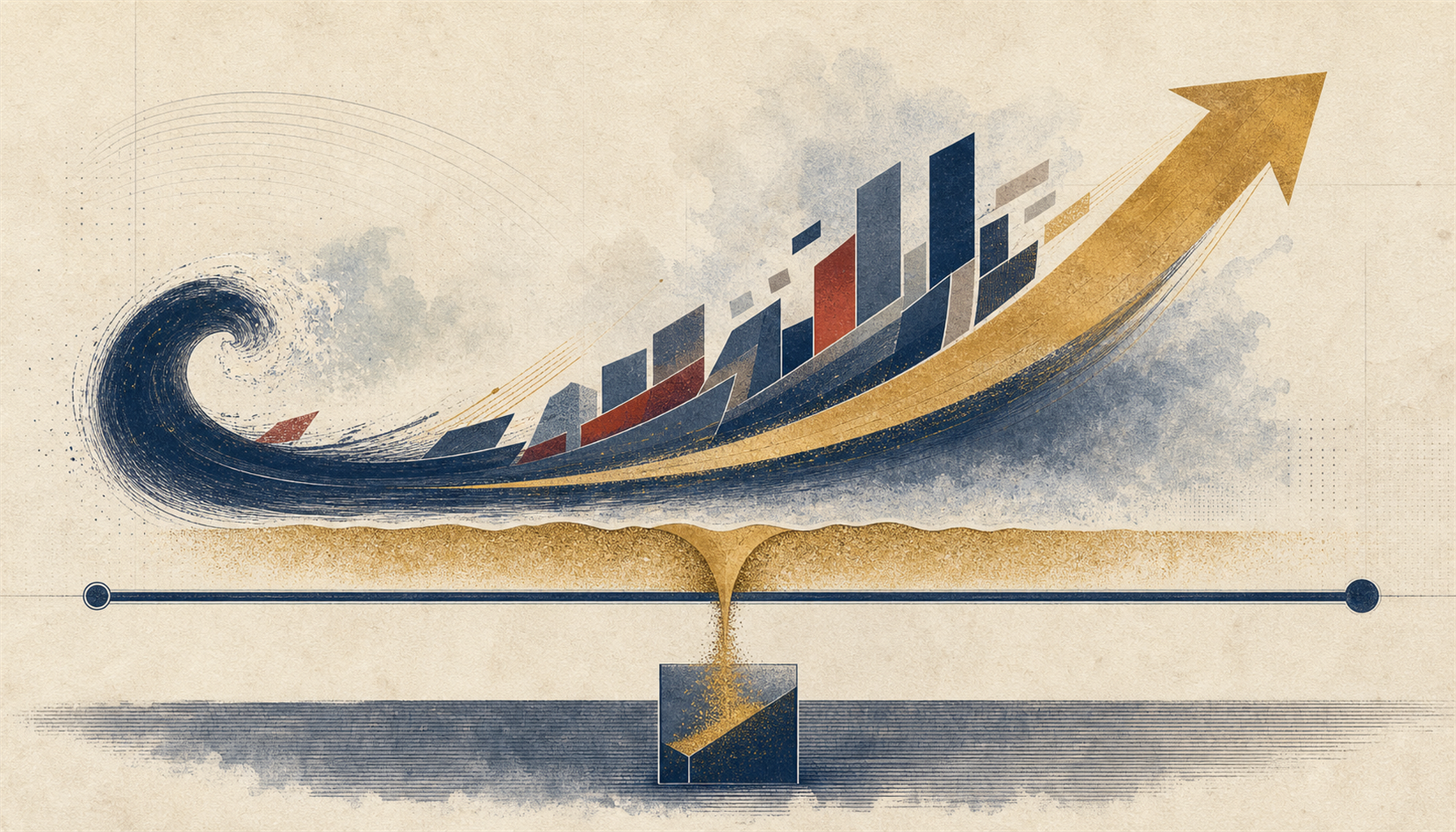
On a Roll: Why 'Momentum' From a Dramatic Round-of-32 Win Is a Story the Bracket Sells and the Data Barely Supports
As the 2026 World Cup opened its Round of 16 over July 4-6, every surviving team arrived carrying a story. Some scraped through on a stoppage-time winner — Canada advanced on Stephen Eustáquio's 90+2 goal — others held their nerve through a penalty shootout, and a few cruised. By the time the last-16 ties kicked off, the commentary had a single word for the dramatic survivors: momentum. They are 'on a roll', 'peaking at the right time', 'impossible to stop'. It is a compelling narrative and a natural way to pick a bet. It is also, in the evidence, one of the least reliable reasons to back a team. No tips, no picks — just why the hot-hand and recency effects make one dramatic result feel predictive when it barely is, how that feeling shortens a price past fair value, and why 'they've got the momentum' is a story to enjoy, not a stake to size up on.
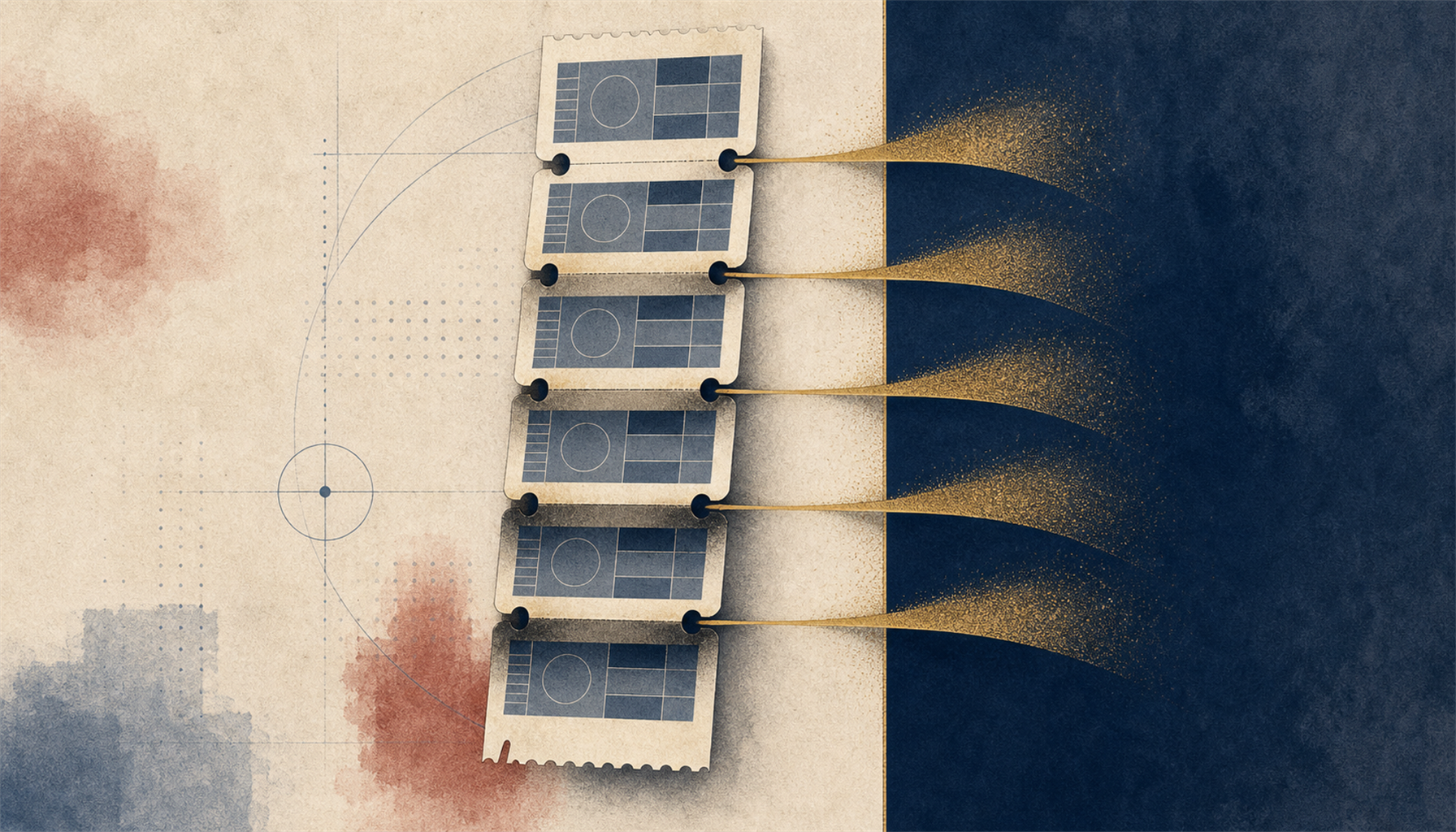
Build-a-Bet: Why the Same-Game Parlay on a Marquee Last-16 Tie Looks Generous and Prices Like a Trap
The 2026 World Cup's Round of 16, played over July 4-6, gave the sportsbooks their perfect canvas for the product they push hardest: the same-game parlay, or 'build-a-bet'. Pick a marquee tie, then stack it — this team to win, this player to score, over 2.5 goals, both teams to score — into a single long price that turns a routine match into a lottery-sized payout. It looks like the app doing you a favour, letting you combine your reads into one big number. It is, in the math, one of the highest-margin products on the entire board, and the reason is a word most build-a-bet screens never mention: correlation. No tips, no picks — just why bundling legs from one match multiplies the house edge rather than your winnings, why 'correlated' legs are priced against you on purpose, and why the bet that feels like the smartest use of your knowledge is usually the worst use of your money.
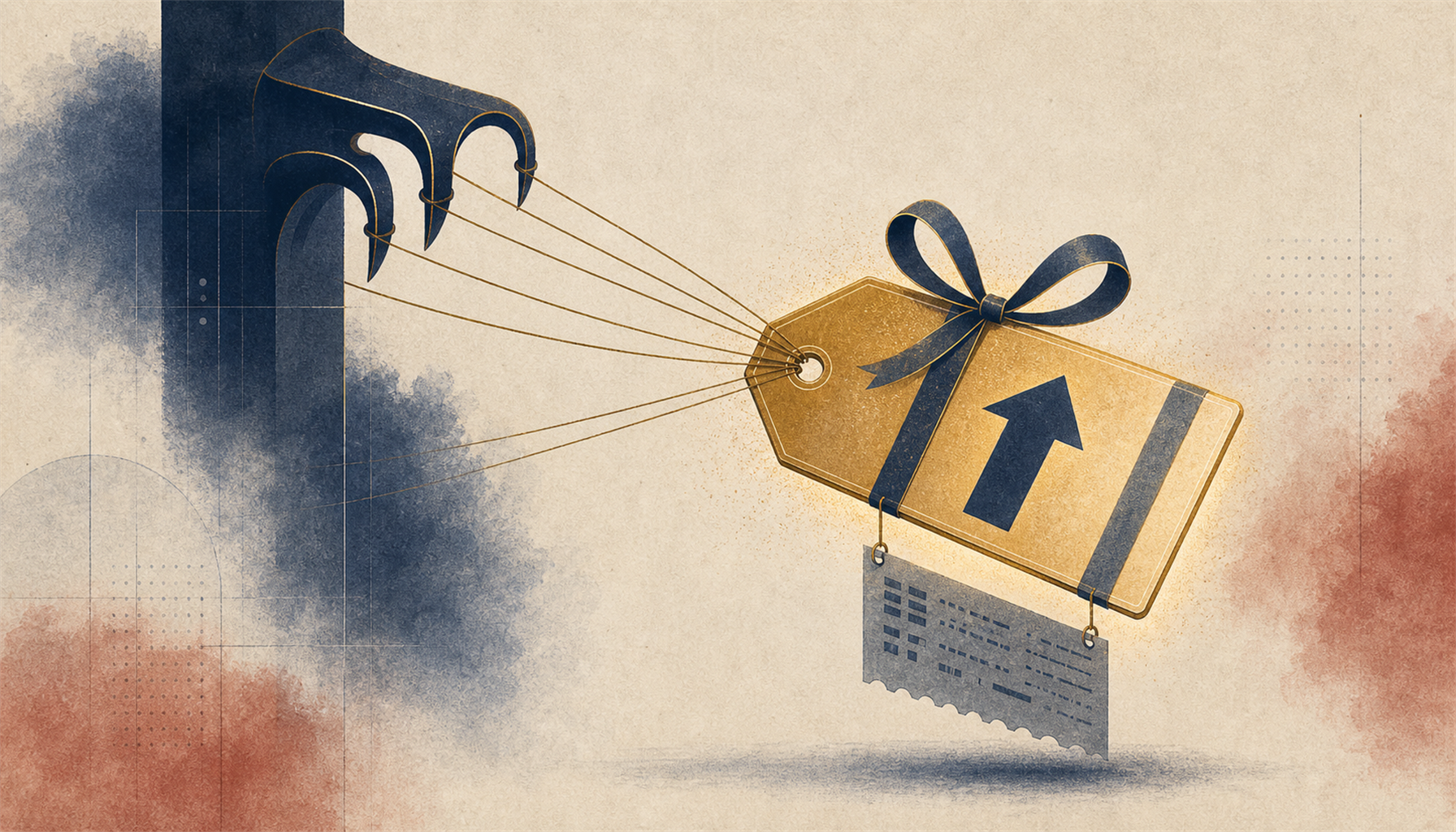
The Price Boost: Why 'Enhanced Odds' on the Big Last-16 Tie Are a Marketing Tool, Not a Gift
Every marquee tie in the 2026 World Cup's Round of 16, played over July 4-6, arrived wrapped in the same offer: boosted odds. 'Price boost.' 'Enhanced to +250.' 'Was 4/1, now 6/1 — today only.' It is the friendliest-looking thing on a betting app — the house, apparently, choosing to pay you more than it has to. But a sportsbook is not a charity, and a boost is not a mistake it forgot to fix. It is one of the most precisely engineered marketing instruments in the business: a tool to decide which bet you place, how much you stake, how often you come back, and how many new customers sign up. No tips, no picks — just what an odds boost actually is, why even a genuinely improved price is still usually a priced product with conditions attached, and how to tell the rare real value from the far more common nudge.
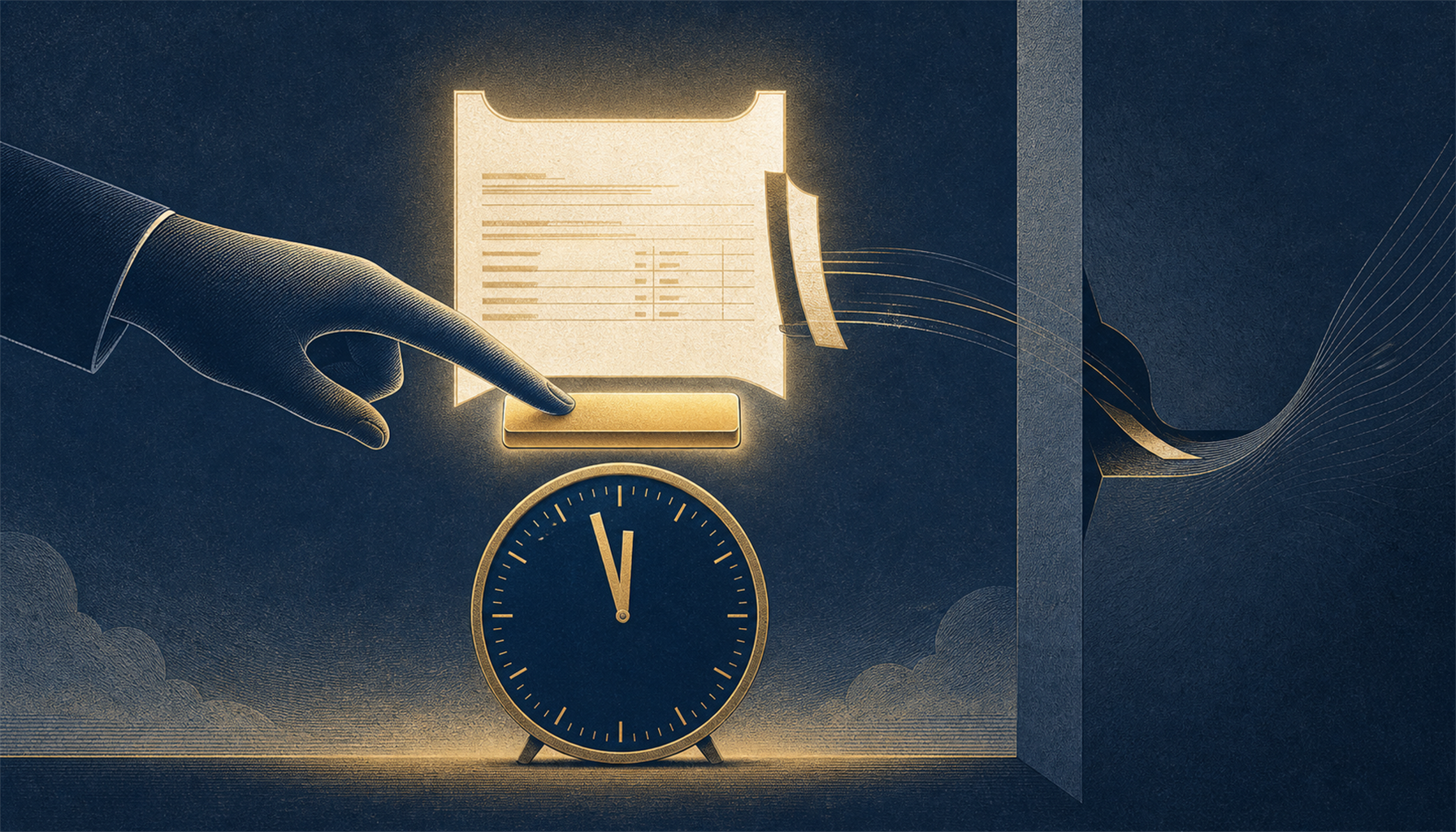
Cashed Out Too Early: How the 'Cash Out' Button Sells You Certainty at a Discount
On June 28, 2026, Canada beat South Africa 1-0 in the opening Round of 32 match when Stephen Eustáquio scored in the 90+2nd minute — a single stoppage-time goal that flipped a result no one was sure of until the very end. Knockout football is full of these late swings, and the sportsbook has a button built for exactly that anxiety: 'Cash Out', the offer to settle your open bet early for a guaranteed amount. It feels like control. It is also a market the operator prices, with its own margin built in. No tips, no picks — just how cash-out works, why the number you are offered is almost always less than your bet is mathematically worth, and why the late-goal nerves the knockouts are built on are exactly when the button is hardest to resist and worst to press.