Section
POGO Tracker
Where the displaced Philippine offshore gaming operators went, and what happened to the people who worked for them.
9 articles

'Fully Eradicated' Meets the World Cup: The POGO Ban's Claim of Victory Faces Its Hardest Demand Test
In April 2026, the Philippine Department of Justice declared the offshore gaming industry fully eradicated — no official POGOs, and, it said, no illegal ones either. The government also adopted standard operating procedures to lock the ban in place and keep the operators from coming back. But enforcement officials have repeatedly acknowledged that some operations persist underground, and the World Cup now supplies the one thing residual offshore infrastructure most responds to: a surge of betting demand. This piece weighs the eradication claim against the enforcement reality, explains what the new lock-in rules actually do, and asks what a peak-demand tournament reveals about whether 'eradicated' means gone or means driven out of sight.

Deposit, Layer, Cash Out: The UN's Three-Stage Map of How Betting Launders Money — and Why the World Cup Helps
A 2026 United Nations report lays out, in unusually plain terms, how online gambling platforms are used to wash criminal proceeds: money is deposited as bets, obscured through in-game transfers and proxy wagering, then withdrawn as 'winnings' that look clean. The same report names the Philippines among the jurisdictions increasingly connected to the white-label gambling networks that power Southeast Asia's scam-compound economy. This analysis works through the three-stage model, why a $50-billion betting tournament is a gift to the layering stage, and where the licensed Philippine market sits relative to the offshore machine the UN is describing.

Text Blasters: The Post-POGO Scam Hardware the PNP Is Now Hunting
When the Philippines shut down its offshore gaming operators in 2024, the buildings emptied — but the equipment did not vanish. Ex-POGO workers are now salvaging multi-port GSM 'text blasters' from abandoned sites and peddling them on social media, and the PNP has launched a nationwide crackdown on the trade. These devices hijack nearby phones to push smishing at scale. This is what a text blaster is, why post-POGO labor displacement keeps feeding the scam economy, and how Filipino consumers are being targeted.

Inside CEZA and Aurora: The Philippine Economic Zones That Defined a Gaming Era — and the One That Refused to Host POGOs
The Cagayan Economic Zone Authority and the Aurora Pacific Economic Zone and Freeport Authority were the two Philippine special economic zones that held independent gaming-licensing authority under the country's freeport framework. CEZA's position — that it never licensed POGOs, only its own iGaming framework under Republic Act 7922 — and Aurora's separate trajectory tell a quietly important parallel history of Philippine gaming policy that sits underneath the better-known PAGCOR narrative.
The Post-POGO Cambodia Scam-Casino Nexus: OFAC, Chen Zhi, and What Sihanoukville Looks Like Now
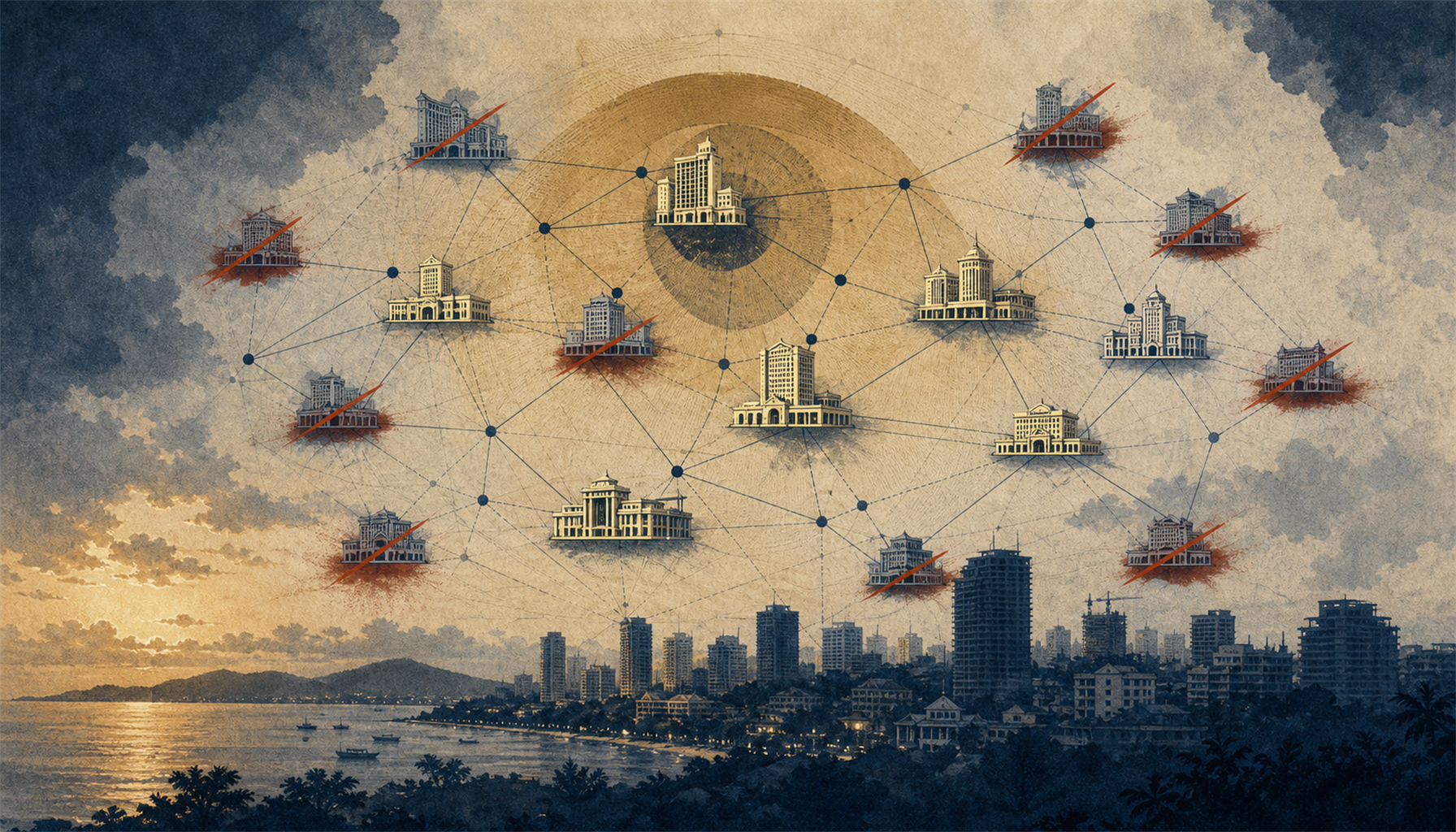
An analytic read of the post-POGO Cambodian gaming structure that 2026 has revealed: the Chen Zhi-led Prince Group's $15B forfeiture, the OFAC sanctions on Senator Kok An, and the eight Cambodian casinos stripped of licenses since April. What the actions describe — and what they imply for any operator considering Cambodia as a regulatory home.

Cambodia Revokes Zhong Huawei Casino License as Sihanoukville Crackdown Hits Eight Operators
Cambodia's Commercial Gambling Management Commission revoked the license of Casino Zhong Huawei Golden Sand International Entertainment in Sihanoukville on April 30, 2026, three weeks after a joint raid detained 104 foreign nationals and seized nearly 1,600 devices. Eight casinos have now lost licenses since April.

From Pasay to Sihanoukville: A POGO Worker's Migration
When the Philippine offshore gaming industry was shut down in 2024, the buildings emptied. The workers had to go somewhere. A reconstructed account of one path from Manila to a compound on the Cambodian coast — and what the journey reveals about a regional labor market in transition.
Why Cambodia Won the POGO Refugees: A Geopolitical Read
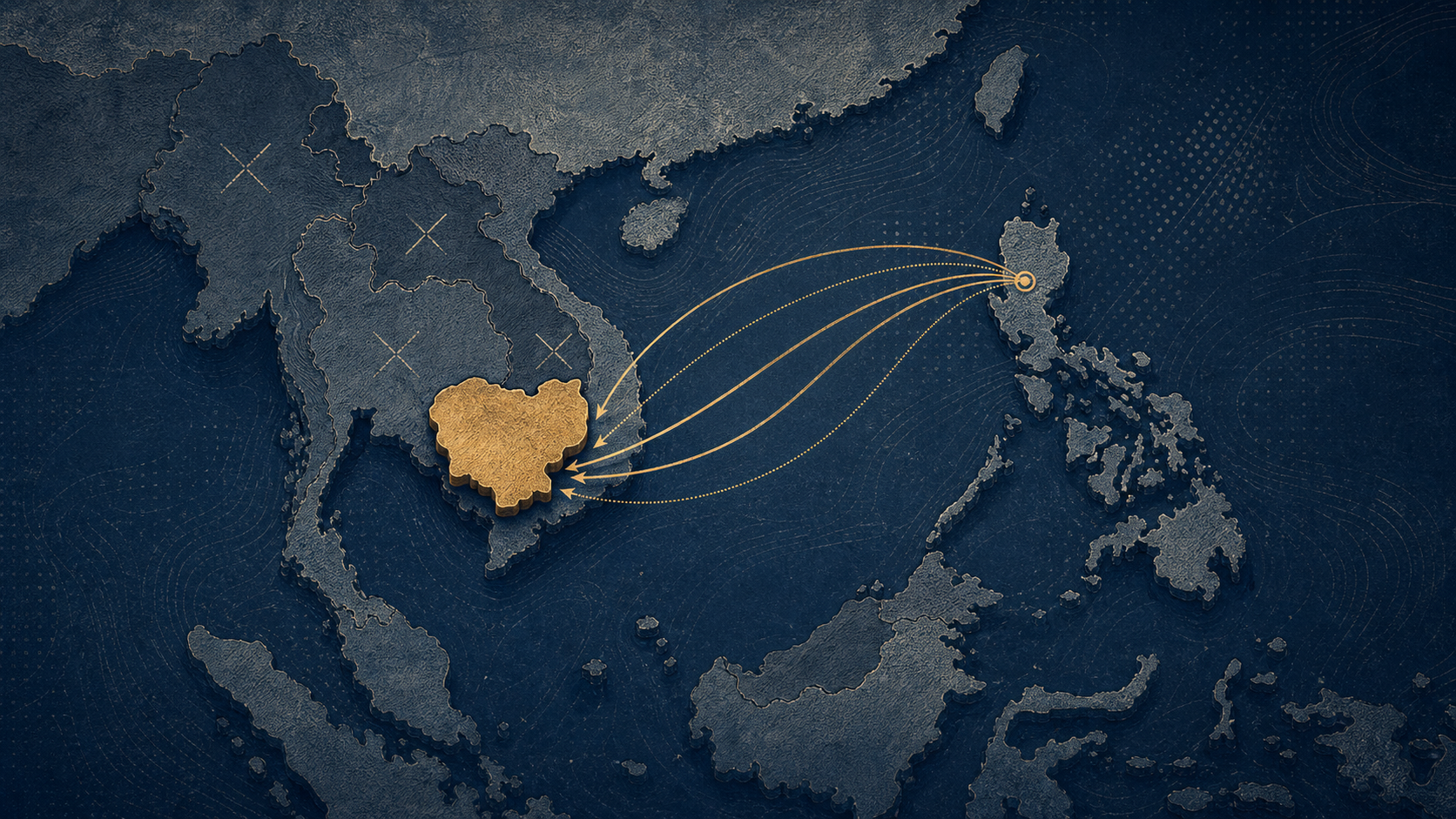
When the Philippines shut down POGOs in 2024, the displaced operators had options. Vietnam was closed. Myanmar was burning. Laos was too small. Cambodia opened a door — and built a three-tier licensing framework around it. The geopolitics behind a regional rebalancing.
Cambodia Gaming License Framework: Three-Tier System Targets Former POGO Operators
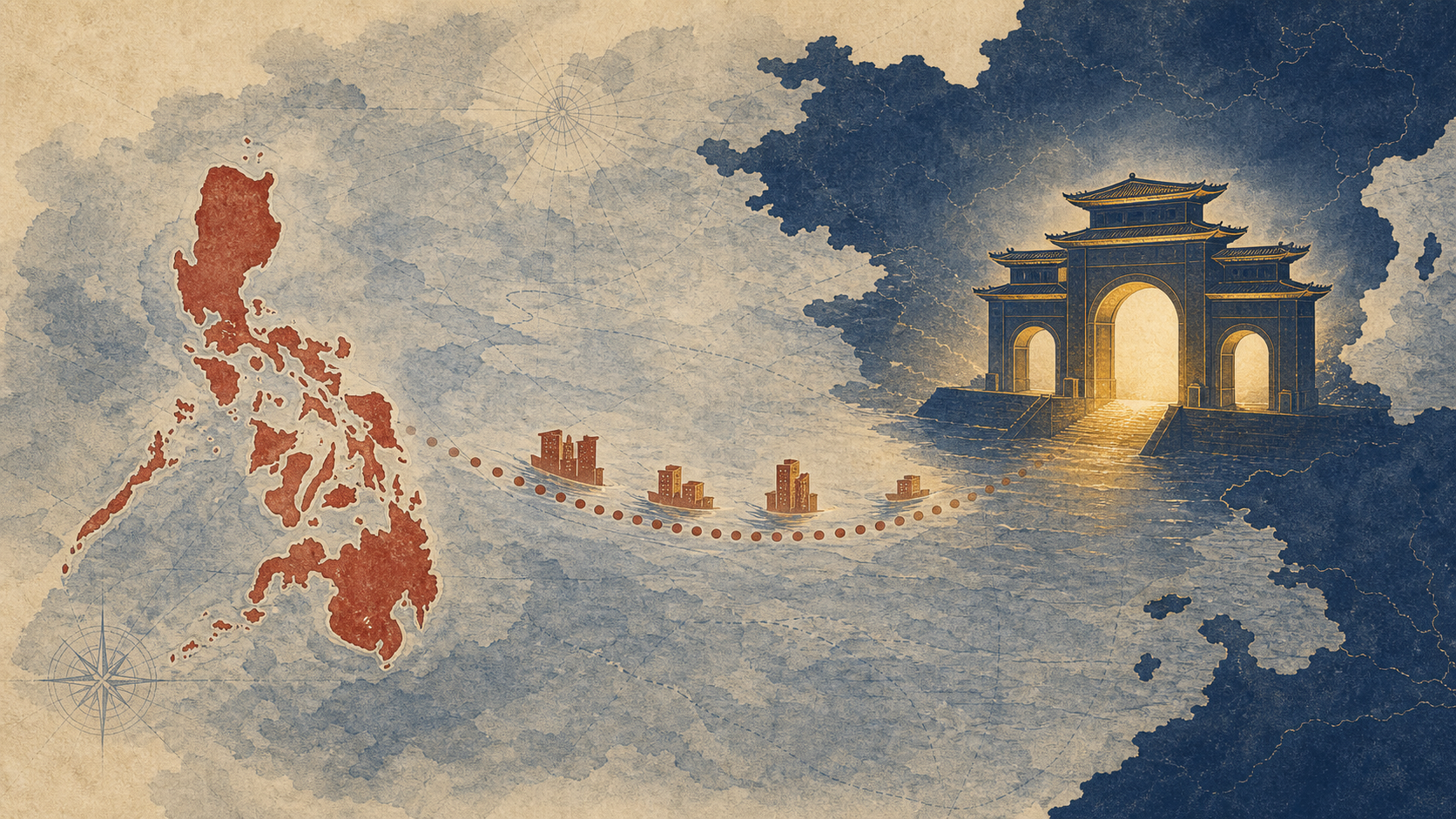
Cambodia's new three-tier licensing framework signals Southeast Asia's next regulatory battleground as displaced POGO operators seek new jurisdictions.