Section
News
Breaking news, market data, and regulatory updates from the Philippine and Southeast Asian gaming sector.
52 articles

The 'Free' in Free Bet: Why a Bonus Bet Is Worth Less Than Its Face Value
As the 2026 World Cup reaches its July 9-11 quarter-finals, the offer that floods every betting app is the free bet: 'Bet ₱1,000, get ₱500 free.' It is the word 'free' doing an enormous amount of quiet work. A free bet has real value, but that value is systematically less than the number printed on it — often only about 60 to 70 percent — and the conditions around it can shrink it further. No tips, no picks — just why a free bet's stake is not returned, what wagering requirements and minimum-odds rules actually do, and why 'bet ₱1,000 to unlock ₱500' means the money was never free in the first place.

The Pending-Withdrawal Trap: How 'Reverse Withdrawal' Design Keeps Your Money in Play
Depositing on a betting app is instant. Withdrawing is not. As the 2026 World Cup reaches its July 9-11 quarter-finals and more Filipino bettors try to take winnings out, many meet the same wall: a 'pending' payout that sits for hours or days, alongside a single button that offers to cancel it and put the money straight back into the betting balance. That asymmetry is not a technical limitation — it is a design choice. No tips, no picks — just why the pending window exists, how cancel-withdrawal design re-tempts money that was on its way out, and why the defence is to treat a requested withdrawal as already spent.

On a Roll: Why 'Momentum' From a Dramatic Round-of-32 Win Is a Story the Bracket Sells and the Data Barely Supports
As the 2026 World Cup opened its Round of 16 over July 4-6, every surviving team arrived carrying a story. Some scraped through on a stoppage-time winner — Canada advanced on Stephen Eustáquio's 90+2 goal — others held their nerve through a penalty shootout, and a few cruised. By the time the last-16 ties kicked off, the commentary had a single word for the dramatic survivors: momentum. They are 'on a roll', 'peaking at the right time', 'impossible to stop'. It is a compelling narrative and a natural way to pick a bet. It is also, in the evidence, one of the least reliable reasons to back a team. No tips, no picks — just why the hot-hand and recency effects make one dramatic result feel predictive when it barely is, how that feeling shortens a price past fair value, and why 'they've got the momentum' is a story to enjoy, not a stake to size up on.

The Price Boost: Why 'Enhanced Odds' on the Big Last-16 Tie Are a Marketing Tool, Not a Gift
Every marquee tie in the 2026 World Cup's Round of 16, played over July 4-6, arrived wrapped in the same offer: boosted odds. 'Price boost.' 'Enhanced to +250.' 'Was 4/1, now 6/1 — today only.' It is the friendliest-looking thing on a betting app — the house, apparently, choosing to pay you more than it has to. But a sportsbook is not a charity, and a boost is not a mistake it forgot to fix. It is one of the most precisely engineered marketing instruments in the business: a tool to decide which bet you place, how much you stake, how often you come back, and how many new customers sign up. No tips, no picks — just what an odds boost actually is, why even a genuinely improved price is still usually a priced product with conditions attached, and how to tell the rare real value from the far more common nudge.

Cashed Out Too Early: How the 'Cash Out' Button Sells You Certainty at a Discount
On June 28, 2026, Canada beat South Africa 1-0 in the opening Round of 32 match when Stephen Eustáquio scored in the 90+2nd minute — a single stoppage-time goal that flipped a result no one was sure of until the very end. Knockout football is full of these late swings, and the sportsbook has a button built for exactly that anxiety: 'Cash Out', the offer to settle your open bet early for a guaranteed amount. It feels like control. It is also a market the operator prices, with its own margin built in. No tips, no picks — just how cash-out works, why the number you are offered is almost always less than your bet is mathematically worth, and why the late-goal nerves the knockouts are built on are exactly when the button is hardest to resist and worst to press.

Backing the Badge: Why the Famous Name Feels Like a Safe Bet and Prices Like a Bad One
On June 29, 2026, the World Cup's Round of 32 served up the kind of fixtures that make a betting board light up: Brazil against Japan, Germany against Paraguay, household names against teams many casual bettors could not place. The famous badge feels like the safe pick — you know it, you have seen it win, it carries the weight of history. That feeling has a name in behavioural science: familiarity bias, the habit of trusting what we recognise. On a betting board it is expensive, because the recognisable team draws public money that shortens its price below its true chance. No tips, no picks — just why a name you know feels safer than it is, how that feeling moves the odds against you, and why 'everyone knows Brazil' is a reason to check the price, not trust it.

Now or Never: How Knockout 'Last Chance' Marketing Pushes the Single-Match Stake Up
The 2026 World Cup's Round of 32, under way since June 28, changed the format from forgiving to final — one game, no second leg, win or go home. The betting marketing changed with it. 'Last chance to back them.' 'One game decides it.' 'Don't miss the biggest match of the round.' The knockout stage is a scarcity machine, and scarcity is one of the oldest levers in persuasion: when something feels like it is running out, people act faster, decide less, and pay more. No tips, no picks — just how single-elimination football is turned into urgency marketing, why scarcity pushes the stake size up and the thinking down, and how to tell a real deadline from a manufactured one before you bet bigger than you meant to.

Nothing to Play For: Why 'Dead Rubbers' and the Simultaneous Kickoff Make the Final Group Games a Betting Trap
By June 24, 2026, the 2026 World Cup reached its final round of group games, and a quirk of the 48-team format arrived with it: because 32 of 48 teams advance, some sides walked into their last match with nothing left to play for — a 'dead rubber'. To stop the kind of mutually convenient result that disgraced the 1982 tournament, FIFA kicks both final games in a group off at the same time. For a bettor, those two facts combine into one of the least readable betting situations of the tournament. No tips, no picks — just why a team with nothing to play for is a coin you cannot weigh, why the simultaneous kickoff removes your last chance to react, and why 'a sure thing on paper' is exactly the shape the trap takes.

Mexico Wins Its Group and the Public Piles On: How Home-Favorite and Patriotic Betting Bias Quietly Shortens the Odds
On June 24, 2026, co-host Mexico beat Czechia 3-0 to win Group A, sending a wave of money toward one of the tournament's most heavily backed teams. Host nations and popular sides attract a particular kind of betting — money placed for the heart, the flag, or the crowd rather than for value. That public money has a measurable effect: it shortens the odds below what the real probability justifies, so the most-loved team is often the worst-priced bet on the board. No tips, no picks — just how favorite and home bias works, why a price can move on sentiment instead of likelihood, and why backing a team because you love watching it is the easiest way to overpay.

Jordan and Türkiye Are Out: What an Early Elimination Does to a Bettor's Head
By June 22, 2026, the 2026 World Cup had produced its first eliminations with a game still to play — Jordan knocked out after Algeria beat them, Türkiye gone from its group. For fans the tournament is over; for anyone who had money on them, a more dangerous moment begins. A dead bet, a busted futures ticket, a knocked-out team all trigger two of the best-documented traps in gambling psychology: the sunk-cost fallacy and chasing losses. No tips, no picks — just what happens in a bettor's head when the team is out and the money is gone, why 'getting it back' is the single most dangerous instinct on the board, and the practical guardrails that help.

Four Matches a Day: Why the World Cup's Packed Schedule Is a Betting Risk the Single-Game Thrill Hides
As the 2026 World Cup's second round of group games rolled through June 22-23, the calendar filled up — multiple matches every day, a near-continuous stream of fixtures from afternoon to deep into the Philippine night. Standard warnings focus on the intensity of a single wager; the packed schedule points at a different, underrated risk: not how exciting any one bet is, but how many bets a day the tournament invites you to place. No tips, no picks — just why the frequency of betting opportunities is what the house edge feeds on, how a daily slate builds an 'action habit', and why more games is quietly more dangerous than any single big match.

Cape Verde Holds Spain, Iran Holds Belgium: What the World Cup's Opening Upsets Teach About the Favorite-Longshot Bias
On June 21, 2026, World Cup debutant Cape Verde — among the smallest nations ever to reach the finals, with a population just over half a million — held Spain to a 0-0 draw, the first goalless result of the tournament; the same weekend, Iran held Belgium 0-0 and Cape Verde later drew Uruguay 2-2. Nights like these sit on top of one of the oldest, best-documented mistakes bettors make: the favorite-longshot bias, the tendency to overpay for the romantic upset and underrate the boring favorite. No tips, no picks — just what these draws reveal about how three-way football markets are priced, why the draw is the outcome the public forgets, and how the maths quietly works against both the longshot dreamer and the 'safe favorite' backer.

France Alone at +400: What a Shrinking Favorite Does to a Betting Board — and to the People Reading It
On June 17, 2026, Kylian Mbappé scored twice in France's 3-1 win over Senegal, passing Olivier Giroud to become his country's all-time leading scorer and pushing France to the front of the World Cup oddsboard as the sole favorite at around +400 — its shortest price since the tournament markets opened in December. When a field of contenders compresses to one short-priced favorite, the maths of betting it quietly changes: the implied probability climbs, the margin bites harder on every peso, and the temptation to 'fix' a thin payout with a parlay grows. No tips, no picks — just what a favorite at +400 is actually offering a Filipino bettor, and what it is quietly asking in return.

England 4-2, Hat Tricks and Braces: When a Goal-Soaked Opening Week Bends the Over/Under Board
The 2026 World Cup opened with a flood of goals — England beating Croatia 4-2, Messi's hat trick, braces from Mbappé and Haaland, Colombia past Uzbekistan 3-1. After a high-scoring few days, the most quietly contagious bet on the board is the 'Over' on total goals, and the most quietly dangerous belief is that goals will keep coming because they just have. This is how totals (Over/Under) markets are priced, why bookmakers move the line up after a goal-glut, and why 'the tournament is wide open and high-scoring' is a feeling, not an edge. No tips, no picks — just how to read a totals board without letting a loud week read you.

Mexico v South Korea at 3 a.m.: The 2026 World Cup's North American Kickoffs Are a Live-Betting Risk Window for Filipinos
A marquee Asian-interest fixture — Mexico against South Korea — is among the matches landing deep in the Philippine overnight hours, because the 2026 World Cup is played across North American time zones. Most of the tournament's evening kickoffs in the United States, Canada and Mexico fall in the small hours of a Philippine night, and that timing collides with the one bet built to exploit a tired, alone, late-night decision: live, in-play betting. This is why the overnight window is the riskiest of the tournament for Filipino bettors, how in-play betting is engineered for speed over reflection, and what guardrails actually help. No tips, no picks — a consumer-protection read on when, not just whether, people bet.

From +1900 to +250: How One Messi Hat Trick Rewrote the Golden Boot Oddsboard Overnight
On June 16, 2026, Lionel Messi scored the first World Cup hat trick of his career against Algeria, drawing level with Miroslav Klose's all-time men's World Cup goals record. Within hours, his price to win the Golden Boot collapsed from around +1900 to roughly +250 — turning a long shot into the favorite. That overnight repricing is a perfect, harmless-looking case study in how betting markets actually move, why a dramatic moment is exactly when bettors are most likely to chase, and what the implied-probability math behind those numbers is really telling you. No tips, no picks — just how to read the board without it reading you.

$60 Billion and the Tenth That Hides in the Margins: The Real Scale of World Cup Betting — and Where Filipino Bettors Stand
As the goals fly in — Messi tying the all-time record, goalkeepers writing their own headlines — the betting handle behind the tournament has reached a scale worth putting in plain numbers. H2 Gambling Capital estimates roughly 60 billion dollars will be wagered on the 2026 World Cup at regulated sportsbooks worldwide, and about a tenth of it sits on markets that have nothing to do with the final score. This piece breaks down what that money is actually riding on, why the prop-market share keeps growing, and the one distinction that matters most for a Filipino fan: the line between the licensed market a regulator can see and the offshore market it cannot.
PAGCOR Cuts Its 2026 Revenue Forecast: Why the Regulator Now Expects GGR to Fall as Much as 19%
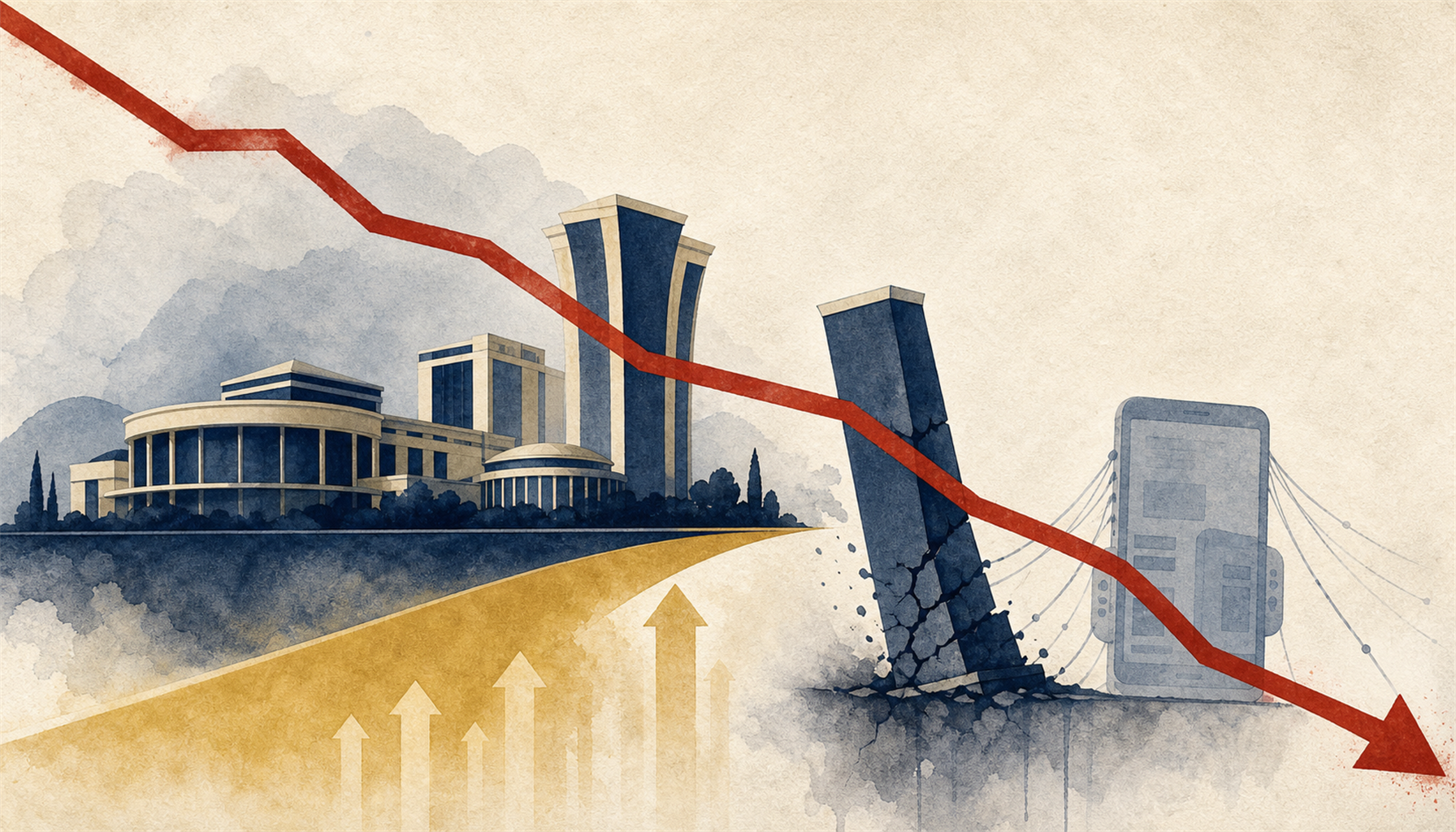
In early June 2026, PAGCOR chairman Alejandro Tengco told reporters the Philippine gaming industry could see gross gaming revenue fall by as much as 19% this year — to between PHP 320 billion and PHP 350 billion, down from PHP 396.14 billion in 2025. It is a striking reversal: only four months earlier the regulator had projected roughly flat revenue. The downgrade is driven by the online segment, where the e-wallet delinking order has cut deeply, and compounded by cost pressures the chair tied to Middle East tensions. This piece unpacks what changed, which segment is doing the damage, and why a falling top line is, in part, exactly what the tightening was designed to produce.

From Blocking Sites to Charging People: The Philippines Turns Its Gambling Crackdown on Promoters and Influencers
For two years the Philippine enforcement effort against illegal online gambling was mostly about infrastructure — blocking sites, seizing hardware, delinking payments. In 2026 it changed targets. The Cybercrime Investigation and Coordinating Center, working with PAGCOR and the advocacy group Digital Pinoys, moved to file criminal charges against social-media influencers who promote illegal betting platforms, naming figures including Jam Magno. The CICC also formalised a case-buildup partnership with the Presidential Anti-Organized Crime Commission, Meta began removing celebrity pages, and police relieved officials over neglected raids. As the World Cup drives the year's biggest promo surge, here is what shifting from sites to people actually means — and where it could overreach.

Following the Crypto: How Blockchain Trackers Are Watching World Cup Betting Scams Take Shape
Blockchain-intelligence firm TRM Labs has been tracing the on-chain footprint of crypto scams built around the 2026 World Cup — and the early picture is instructive. The infrastructure is already live: fake ticketing sites, fan meme coins, and fixed-match betting pitches, with proceeds routed through cross-chain bridges to frustrate tracing. The amounts captured so far are tiny, because the scams are still warming up. For Filipino fans, the crypto angle matters for a specific reason: it is exactly the funding rail the country's payment crackdown pushed offshore betting toward. Here is what the trackers are seeing, and how to read a crypto betting pitch before it reads your wallet.

'Fully Eradicated' Meets the World Cup: The POGO Ban's Claim of Victory Faces Its Hardest Demand Test
In April 2026, the Philippine Department of Justice declared the offshore gaming industry fully eradicated — no official POGOs, and, it said, no illegal ones either. The government also adopted standard operating procedures to lock the ban in place and keep the operators from coming back. But enforcement officials have repeatedly acknowledged that some operations persist underground, and the World Cup now supplies the one thing residual offshore infrastructure most responds to: a surge of betting demand. This piece weighs the eradication claim against the enforcement reality, explains what the new lock-in rules actually do, and asks what a peak-demand tournament reveals about whether 'eradicated' means gone or means driven out of sight.

32 Million Filipinos, One Tournament: The Addiction Crisis the World Cup Walks Into
Before a single ball is kicked, the Philippines is already carrying an online-gambling problem of staggering scale. Reporting and survey data cited across 2025 put the number of Filipinos gambling online at roughly 32 million in the first five months of the year — close to a third of the population, and a near-quadrupling from the year before. Clinicians describe patients with six-figure debts and suicidal thoughts. Now the World Cup arrives as the largest betting trigger of the cycle. This is what the numbers say, why a tournament is a particularly dangerous moment for at-risk players, and the concrete tools — deposit limits, self-exclusion, and the national helpline — built to help.
A $50 Billion Tournament: How FIFA's Own Embrace of Betting Raises the Stakes for Filipino Fans
Global betting on the 2026 World Cup is forecast to exceed 50 billion dollars — the largest wagering event in history. Behind that number is a quieter shift: FIFA itself has moved closer to the betting business, signing operator deals, licensing official betting data, and partnering with prediction-market and integrity firms, even as sports-integrity experts warn for the first time about betting-related corruption at a World Cup. This is what the 50-billion figure actually represents, why the rise of prediction markets and crypto-funded wagering matters, and where a Filipino fan sits inside a global betting machine mostly happening outside the licensed perimeter.

The Integrity Net Around the 2026 World Cup — and the Offshore Gap It Cannot Cover
Months before kickoff, FIFA extended its integrity partnership with Sportradar through 2031, keeping the AI-driven bet-monitoring system that has watched more than 600,000 matches since 2017 pointed at the biggest World Cup ever staged. With 48 teams, 104 matches, and a projected wagering surge past the 1.8 billion dollars Americans bet on 2022, the attack surface for match-fixing has never been larger. This is how the monitoring net actually works, why micro-bets are the new soft spot, and where Filipino bettors sit relative to a system that only sees the licensed market.

The World Cup Meets the Ad Crackdown: PAGCOR Weighs a Total Gambling Ad Ban at the Worst Possible Moment for Operators
A World Cup is when gambling advertising peaks — and it is arriving in the Philippines just as PAGCOR tightens the screws on gambling ads. Billboards have been ordered down nationwide, a memorandum with the Ad Standards Council now governs what operators may say, and the regulator has openly floated extending the existing primetime broadcast ban to all hours. Chairman Tengco still insists regulation, not prohibition, is the answer. This is what is actually restricted, what is still under debate, and why the timing collides head-on with football's biggest sales window.

The Offshore Promo Blitz: Why World Cup Betting Offers Aimed at Filipinos Look Too Good to Be Legal
As the World Cup kicks off, offshore betting brands are flooding Filipino feeds with tournament promotions — leaderboards, points systems, prize draws dangling smartphones, game consoles, and cash awards up to 10,000 dollars. Licensed PAGCOR operators, capped by new rules on how much they can give back, cannot match that. This is the asymmetry the cashback cap quietly created, why the most aggressive World Cup offers are coming from sites outside the licensed perimeter, and how a Filipino bettor can tell the difference before depositing.
World Cup 2026 Betting Scams Are Already Live: What Filipino Fans Need to Know Before Kickoff
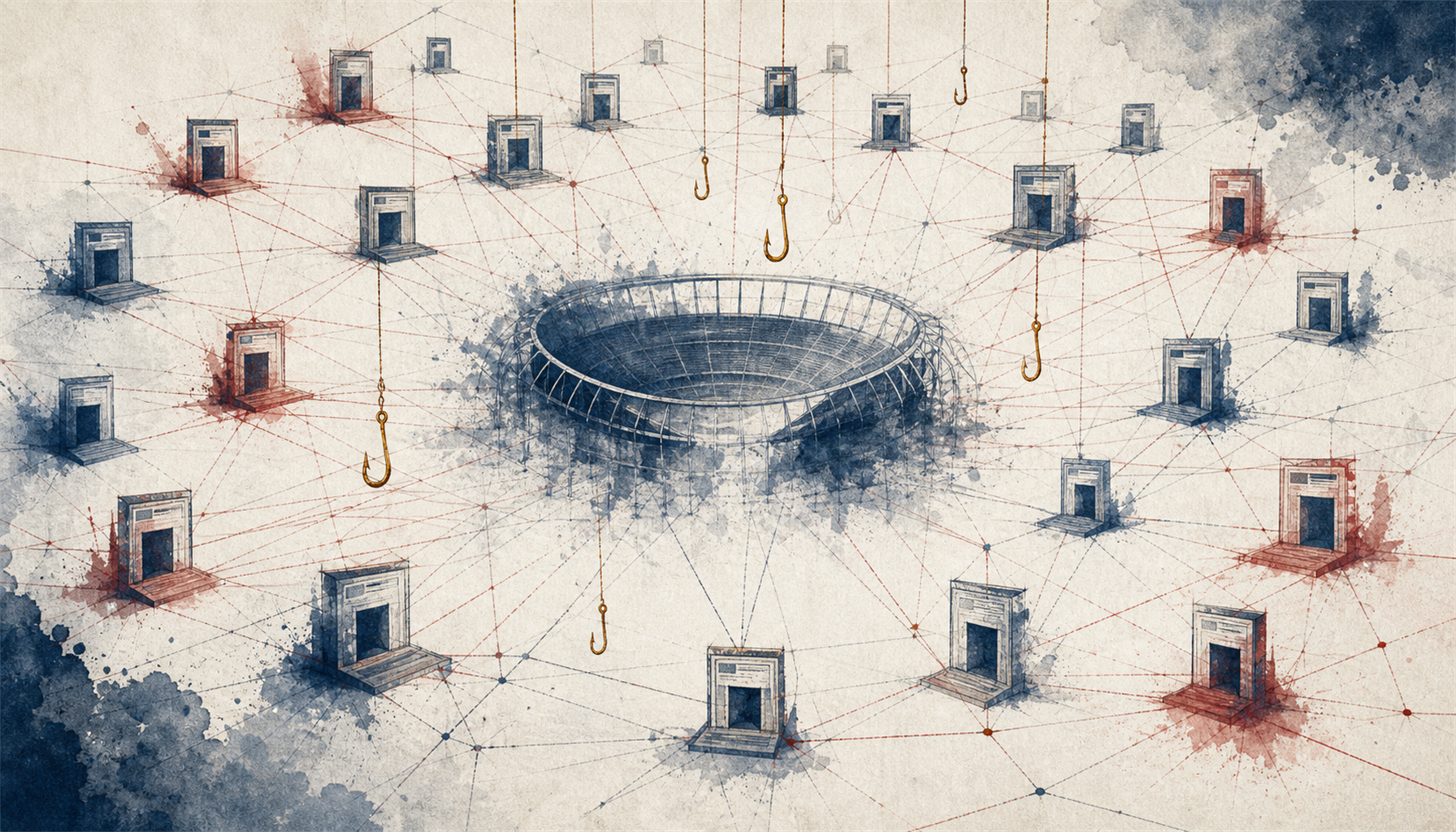
Security researchers have uncovered a sprawling fraud ecosystem built for the 2026 World Cup — more than 4,300 fake FIFA-impersonating domains, a Chinese-speaking group running pixel-perfect clones of FIFA's login page, fake betting sites harvesting passport scans, and pirate streams that install malware. The FBI has issued a public warning. With kickoff days away and a PAGCOR site-blocking push already underway, this is the threat map for Filipino fans and bettors, and the concrete steps to avoid becoming a statistic.

The World Cup Will Be the Biggest Test Yet of Whether Betting Apps Can Keep Minors Out
A new Jumio study of 8,003 adults finds 63 percent worry that minors will use sports betting apps during the World Cup, and 74 percent say the responsibility for stopping them sits with the platforms and their technology providers — not parents. With betting volume set to surge across a 39-day tournament, the 2026 World Cup becomes a real-world stress test of digital age and identity verification at scale. Here is what that means, where PAGCOR's KYC regime fits, and why the Philippines should watch closely.

The Referee Stops Playing: PAGCOR's Decoupling Plan Awaits the Governance Commission's Green Light
PAGCOR is moving to split the two jobs it has held since 1976 — regulating the gambling industry and running its own Casino Filipino chain. The administrative route now runs through the Governance Commission for GOCCs, whose recommendation Chairman Alejandro Tengco expects within weeks before the proposal goes to the Office of the President. A privatized Casino Filipino could raise PHP 30 to 50 billion. This is what the decoupling actually changes, how it differs from the Senate's separate legislative push, and what it means for a market already being reshaped by the minimum guaranteed fee and the cashback cap.

PAGCOR Has Blocked 12,562 Illegal Gambling Sites — and Is Betting the Friction Itself Deters Players
PAGCOR says 93.8 percent of the 13,399 illegal gambling sites it has flagged to partner agencies are now blocked, up from 74 percent just two months earlier, with an AI-powered detection tool driving the jump. The agency is explicit about the strategy: it cannot kill every illicit site, so it is banking on the repeated friction of blocking to deter casual bettors and push them toward licensed operators. With World Cup search traffic spiking, this is what the numbers mean, why blocking is whack-a-mole by design, and how Filipino players can tell a licensed site from a trap.

PAGCOR's Minimum Guaranteed Fee Takes Effect June 1 — and a New Cap on Player Rebates Comes With It
After a two-month deferral, PAGCOR's Minimum Guaranteed Fee regime for licensed online gaming began its first tranche on June 1, 2026, running through December 31. Arriving alongside it is a May 7 memorandum capping player rebate and cashback programs at 1.5 percent of turnover — or 15 percent of net losses — and barring operators from deducting those promotions from gross gaming revenue. Together the measures reset the cost floor and the marketing ceiling for every PAGCOR-licensed online operator.

DigiPlus Leads Launch of PlaySafe Alliance as PAGCOR Doubles Down on Responsible Gaming
DigiPlus has joined with other PAGCOR-licensed online operators to launch the PlaySafe Alliance of the Philippines, an industry responsible-gaming body that arrives the same week PAGCOR Chairman Alejandro Tengco told SiGMA Asia in Pasay City that regulators and operators must strengthen player safeguards amid softer market conditions. The alliance is a genuine consumer-protection build-out — and, read against the Senate's live total-ban debate, an unmistakable reputational defense by an industry arguing it can regulate itself rather than be banned.

Text Blasters: The Post-POGO Scam Hardware the PNP Is Now Hunting
When the Philippines shut down its offshore gaming operators in 2024, the buildings emptied — but the equipment did not vanish. Ex-POGO workers are now salvaging multi-port GSM 'text blasters' from abandoned sites and peddling them on social media, and the PNP has launched a nationwide crackdown on the trade. These devices hijack nearby phones to push smishing at scale. This is what a text blaster is, why post-POGO labor displacement keeps feeding the scam economy, and how Filipino consumers are being targeted.

PAGCOR-Licensed Sportsbooks Brace for a World Cup Betting Surge
With the expanded 48-team FIFA World Cup kicking off June 11, the Philippines' licensed PIGO sportsbooks face their largest single sports-betting event since the August 2025 e-wallet delinking reset the market. The tournament lands just months after PAGCOR cut the live sports betting GGR share rate to 15 percent — and the question is how much of the surge the regulated market can actually capture.
PAGCOR Q1 2026 Official Disclosure: Philippine Gross Gaming Revenue Falls 16% to PHP 87.6B
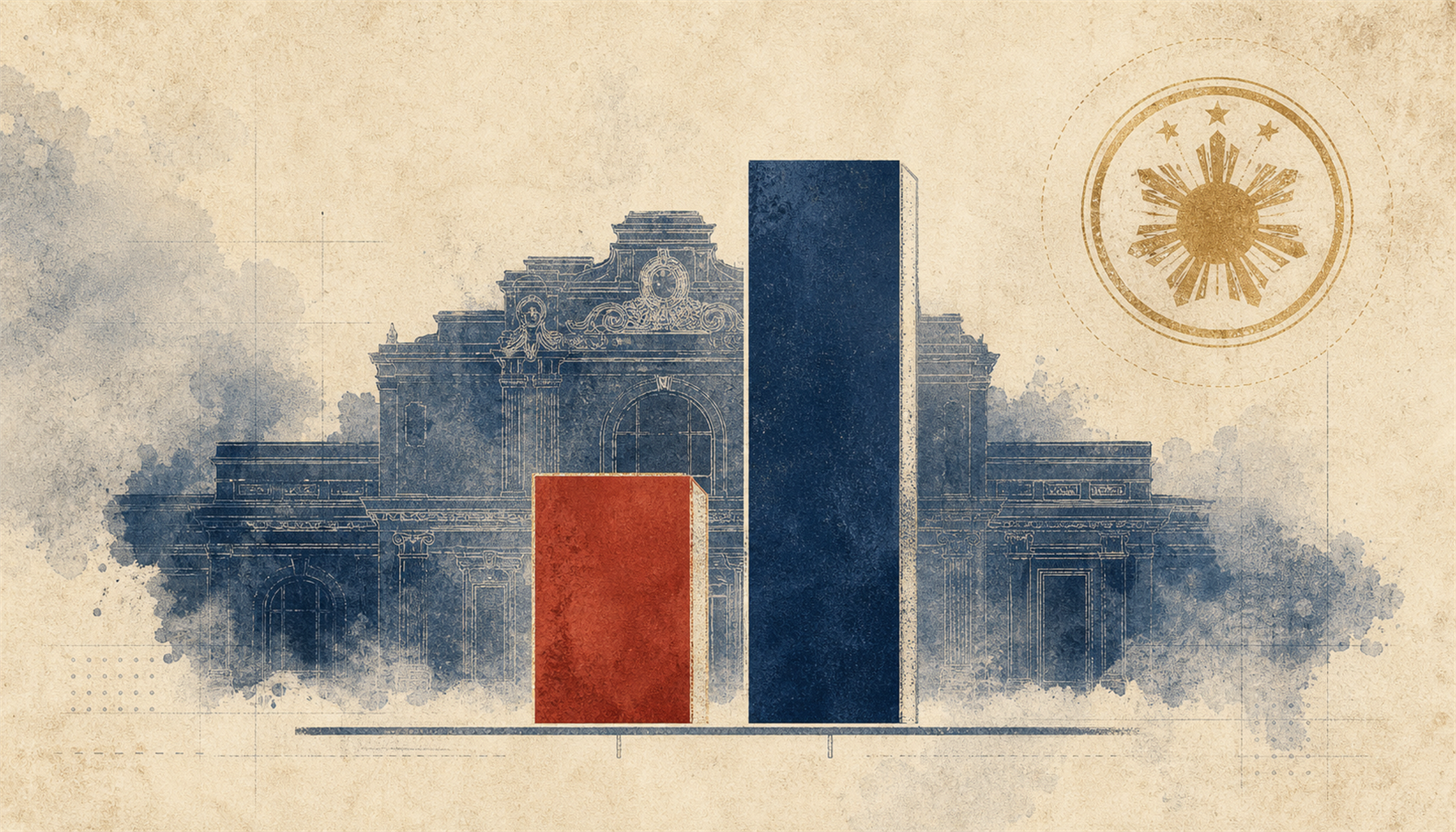
PAGCOR's official Q1 2026 quarterly disclosure puts total Philippine gross gaming revenue at PHP 87.6 billion (approximately USD 1.57 billion), down 16 percent year on year. Licensed casinos contributed PHP 44.52 billion (50.8 percent of total) while the e-gaming sector dropped 22.4 percent to PHP 39.90 billion under the weight of the August 2025 e-wallet delinking order.

Senate Anti-Online Gambling Act Hearing Reopens as Tulfo Pushes Total Ban and Meta No-Shows
The Philippine Senate's Committee on Games and Amusement reopened public hearings on February 11, 2026 to debate seven Senate bills filed under the Anti-Online Gambling Act umbrella, with chair Senator Erwin Tulfo publicly committing to a total ban posture. Meta's no-show triggered a show-cause order. The committee's deliberations now shape the regulatory horizon for the entire Philippine licensed online gambling sector.

Interpol Issues Red Notice for Philippine Gambling Tycoon Atong Ang Over Sabungeros Disappearances
Interpol issued a Red Notice in mid-April 2026 for fugitive Philippine gambling tycoon Charlie 'Atong' Ang, the principal suspect in the 2021-2022 disappearances of at least 34 sabungeros — men associated with the country's cockfighting industry. The DILG has doubled the reward to PHP 20 million as Ang remains in the country, reportedly spotted in Region 4-A.

ArenaPlus Becomes the NBA's First Official Betting Partner in the Philippines
DigiPlus's PAGCOR-licensed sportsbook ArenaPlus and the National Basketball Association announced a multiyear partnership on April 27, 2026, making ArenaPlus the league's first official betting partner in the Philippines. The deal includes integrated NBA branding, localized marketing activations, free-to-play games tied to the NBA Playoffs, and a joint commitment to responsible gambling.
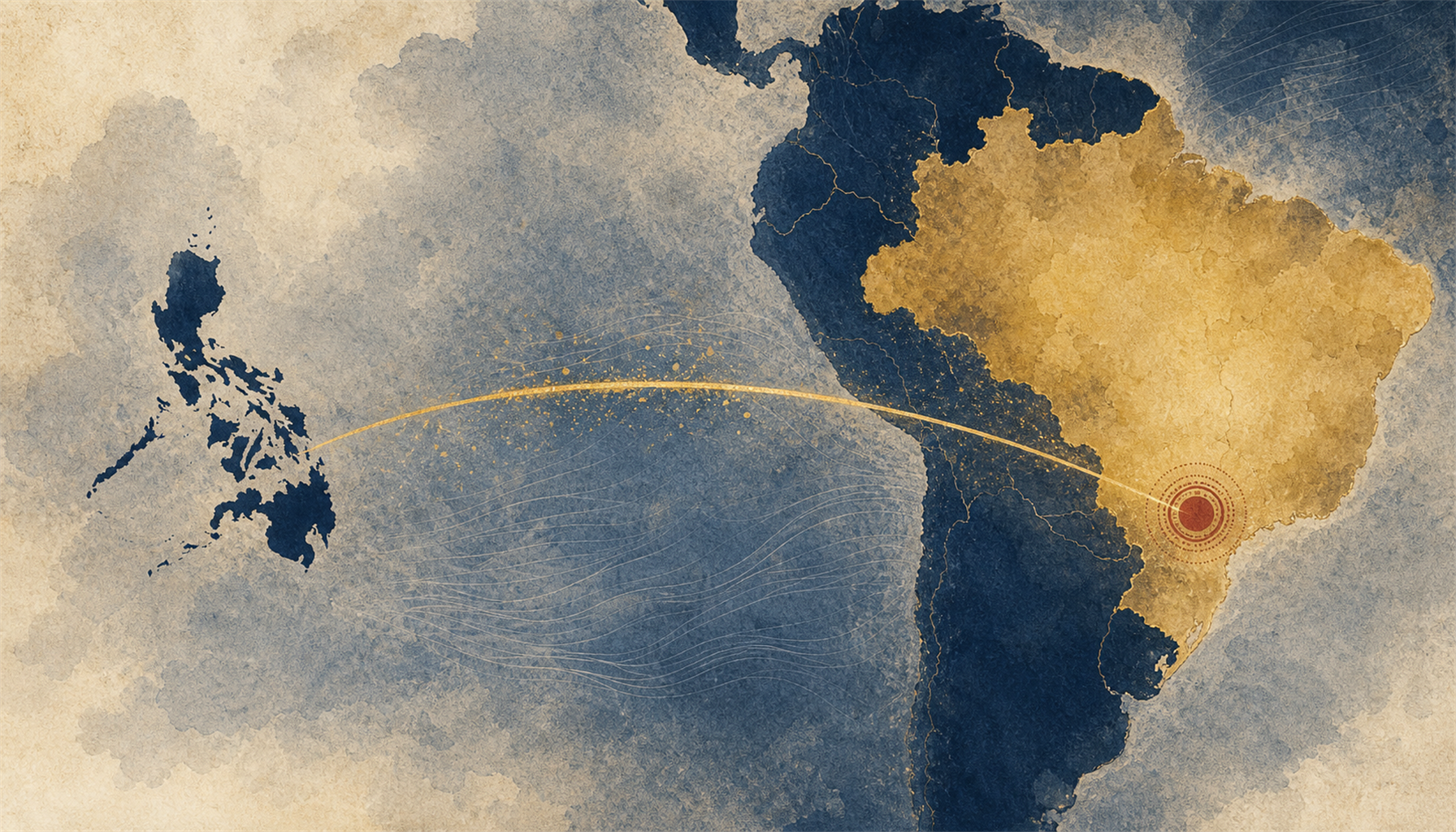
DigiPlus's Brazil Bet: Eight Months Into GamePlus, BingoPlus Set to Follow in 2026
DigiPlus Interactive launched GamePlus in Brazil on September 22, 2025, the company's first international platform and first overseas market entry. Eight months in, the Brazil operation provides a strategic counterweight to the domestic post-delinking earnings pressure, with the BingoPlus international rollout planned to follow in 2026.
Bloomberry Swings to PHP 2.6B Net Loss in 2025 as VIP Slump and MegaFUNalo Costs Bite
Solaire operator Bloomberry Resorts posted a PHP 2.6 billion consolidated net loss in 2025, reversing from a PHP 2.6 billion profit the prior year, as VIP weakness, online startup costs, and the first full year of Solaire Resort North operations weighed on profitability. EBITDA fell 39 percent year on year.

DigiPlus Q1 2026 Net Income Drops 33% to PHP 2.8B as Delinking and Fuel Crisis Weigh
DigiPlus Interactive Corp. reported a 33 percent year-on-year decline in Q1 2026 net income to PHP 2.82 billion on a 25 percent revenue drop to PHP 17.24 billion, with management attributing the decline primarily to the August 2025 e-wallet delinking order and tempered consumer sentiment from the global fuel crisis.

PAGCOR Launches 24/7 National Problem Gambling Helpline in Pasay City
PAGCOR launched the 24-hour National Problem Gambling Helpline on May 26, 2026, the first round-the-clock dedicated gambling-problem support service in the Philippines. The line — (02) 8248-9568 — is run from PAGCOR's Pasay corporate office by 12 para-counselors in partnership with Seagulls Flock Organization Inc.

PAGCOR Sets August 1 Deadline to Decommission Non-Compliant B2B Gaming Systems
A May 21 memorandum from PAGCOR's Electronic Gaming Licensing Department gives every B2B supplier in the Philippine online gaming sector until July 31 to clear a fresh accreditation, or face decommissioning of their platforms and equipment from August 1, 2026.

Cambodia Revokes Zhong Huawei Casino License as Sihanoukville Crackdown Hits Eight Operators
Cambodia's Commercial Gambling Management Commission revoked the license of Casino Zhong Huawei Golden Sand International Entertainment in Sihanoukville on April 30, 2026, three weeks after a joint raid detained 104 foreign nationals and seized nearly 1,600 devices. Eight casinos have now lost licenses since April.

BingoPlus Reports PHP 2.25 Trillion in Cumulative Payouts at 2026 Anniversary
DigiPlus Interactive's flagship online bingo platform marked its anniversary in Pasay City on May 19, 2026 with a headline figure of PHP 2.25 trillion in cumulative payouts to over three million verified Filipino users since launch.

GCash Casino Partnerships Hit 47 in Q2 2026 as Cashless Push Accelerates
GCash's integrations with PAGCOR-licensed gaming operators have grown to 47, with the e-wallet now embedded in nearly every major PIGO and e-Games platform. The pace of integration is reshaping how Filipino players fund accounts — and how regulators monitor the flow.

Cambodia Gaming License Framework: Three-Tier System Targets Former POGO Operators
Cambodia's new three-tier licensing framework signals Southeast Asia's next regulatory battleground as displaced POGO operators seek new jurisdictions.

PAGCOR Privatization Bill SB 2814 Advances in Senate Committee
SB 2814 proposes separating PAGCOR's role as regulator from operator, marking the most significant restructuring proposal in the agency's 47-year history.

Bloomberry Resorts Posts 18% Revenue Drop in Q1 2026 as VIP Weakness Deepens
Solaire operator reports PHP14.2 billion in net revenue with VIP rolling chip volume down 26%, but management reaffirms Solaire North's Q4 2027 soft opening timeline and PHP55 billion project budget.

Altenar Powers DigiPlus ArenaPlus Sportsbook in the Philippines
Malta-based sportsbook technology provider Altenar partners with DigiPlus to power the ArenaPlus sports betting platform, expanding digital sports wagering in the Philippine market.
Okada Play Commercial Launch: PhilWeb and Tiger Resort Go Digital
PhilWeb and Tiger Resort launch Okada Play, a new digital gaming platform bridging the gap between integrated resort floors and online accessibility.
Philippine GGR Falls 15.8% to $1.42bn in Q1 2026
Gross gaming revenue across the Philippine gaming sector dropped 15.8% year-on-year to $1.42 billion in the first quarter of 2026, raising questions about market trajectory.