Section
Analysis
In-depth analysis of gaming regulation, market structure, and industry strategy.
34 articles

Fresh Legs, Tired Story: Why 'Fatigue' and 'Rest-Day' Narratives Move Quarter-Final Prices More Than They Should
The 2026 World Cup's quarter-finals, played July 9-11, arrive with an eight-team field that reached the last eight by very different roads. Switzerland spent 120 minutes and a penalty shootout to get past Colombia; others were home inside 90. By the time the elite-eight prices go up, the app is full of one word: fatigue. Rest and tiredness are real, physical things — and that is exactly what makes the narrative so easy to sell and so easy to overpay for. No tips, no picks — just why a genuine factor becomes a mispriced story, why you cannot measure a squad's freshness better than the book can, and how to tell analysis from a feeling dressed as analysis.

Removing the Draw: What Asian Handicap and Draw-No-Bet Markets Really Cost in a Tight Quarter-Final
The 2026 World Cup quarter-finals, played July 9-11, are the kind of tight, even ties — Spain against Belgium, Argentina against Switzerland — where the sportsbook stops leading with the plain match-winner market and starts pushing something that looks safer: draw-no-bet and Asian handicap. These markets genuinely change the shape of the risk. What they do not do is remove the house edge — they repackage it into a shorter price. No tips, no picks — just what draw-no-bet and Asian handicap actually settle on, why 'safer' is not the same as 'better value', and why removing the draw in knockout football means removing a real and common outcome.

The Extra Thirty Minutes: How Knockout Extra Time Opens a Second In-Play Betting Window Priced in the House's Favour
As the 2026 World Cup reached its Round of 16 over the weekend of July 4-6, the format handed bettors something the group stage never did: a match that refuses to end. When a last-16 tie is level after 90 minutes, it goes to 30 minutes of extra time, and if still level, to penalties. For the sportsbook, those extra minutes are not just more football — they are a second in-play betting window, a fresh board of live markets reopened on tired legs, and another stretch of turnover on which the house margin is quietly collected. No tips, no picks — just why extra time extends your exposure rather than your edge, why a longer match means more margin and more chances to chase, and why the tiredest, most random half-hour of the tournament is exactly when the live board lights up brightest.

Build-a-Bet: Why the Same-Game Parlay on a Marquee Last-16 Tie Looks Generous and Prices Like a Trap
The 2026 World Cup's Round of 16, played over July 4-6, gave the sportsbooks their perfect canvas for the product they push hardest: the same-game parlay, or 'build-a-bet'. Pick a marquee tie, then stack it — this team to win, this player to score, over 2.5 goals, both teams to score — into a single long price that turns a routine match into a lottery-sized payout. It looks like the app doing you a favour, letting you combine your reads into one big number. It is, in the math, one of the highest-margin products on the entire board, and the reason is a word most build-a-bet screens never mention: correlation. No tips, no picks — just why bundling legs from one match multiplies the house edge rather than your winnings, why 'correlated' legs are priced against you on purpose, and why the bet that feels like the smartest use of your knowledge is usually the worst use of your money.

A Coin Flip in a Suit: Why Penalty-Shootout Betting Is Sold as Analysis and Settled by Chance
With the 2026 World Cup's Round of 32 under way from June 28, every knockout game now carries an ending the group stage never had: a tie after 90 minutes goes to extra time, and a tie after that goes to penalties. Sportsbooks have a full board for that ending — 'to win on penalties', 'to qualify', shootout correct-score, first miss. The markets look like skill positions you can read. The football evidence says a shootout is close to a coin flip that the best preparation barely nudges. No tips, no picks — just why penalty outcomes are dominated by chance, why a near-random event is dressed up as an analysable market, and why the margin on a coin flip is the easiest edge the book ever sells.

Won in Extra Time, Lost on Your Slip: The Knockout-Stage Bet That Settles as a Draw
With the 2026 World Cup group stage closing on June 25-26 and the new Round of 32 starting June 28, the betting board is about to change shape in a way many casual bettors never notice until it costs them. In the knockouts there are no draws on the pitch — a tie after 90 minutes goes to extra time and, if needed, penalties. But on the bet slip, the most common market still settles at 90 minutes, where a tie pays out as a draw. Back your team on the three-way line, watch them win in extra time, and the bet can still lose. No tips, no picks — just the difference between 'match result', 'to advance', and the goal and shootout markets, and why this single distinction burns more knockout bettors than any upset.

One Game, One Coin Flip: Why Single-Elimination Knockouts and 'Road to the Final' Bracket Bets Multiply the House Edge
As the 2026 World Cup group stage ends and the bracket locks for the June 28 Round of 32, the betting board shifts from a forgiving format to an unforgiving one. The group stage gave teams three games and a points cushion; the knockouts give them one game with no second chance. Sportsbooks respond by pushing 'to reach the final', 'to win it all', and bracket-builder bets that ask you to predict a chain of single-elimination games. No tips, no picks — just why single-elimination raises variance for the bettor, why stringing knockout rounds together multiplies improbability and compounds the margin, and why a longer 'path' bet is sold as more skill when it is mostly more edge.
Best Third-Placed Teams and the Permutation Maze: How the 48-Team Format Turns Confusion Into a Betting Product
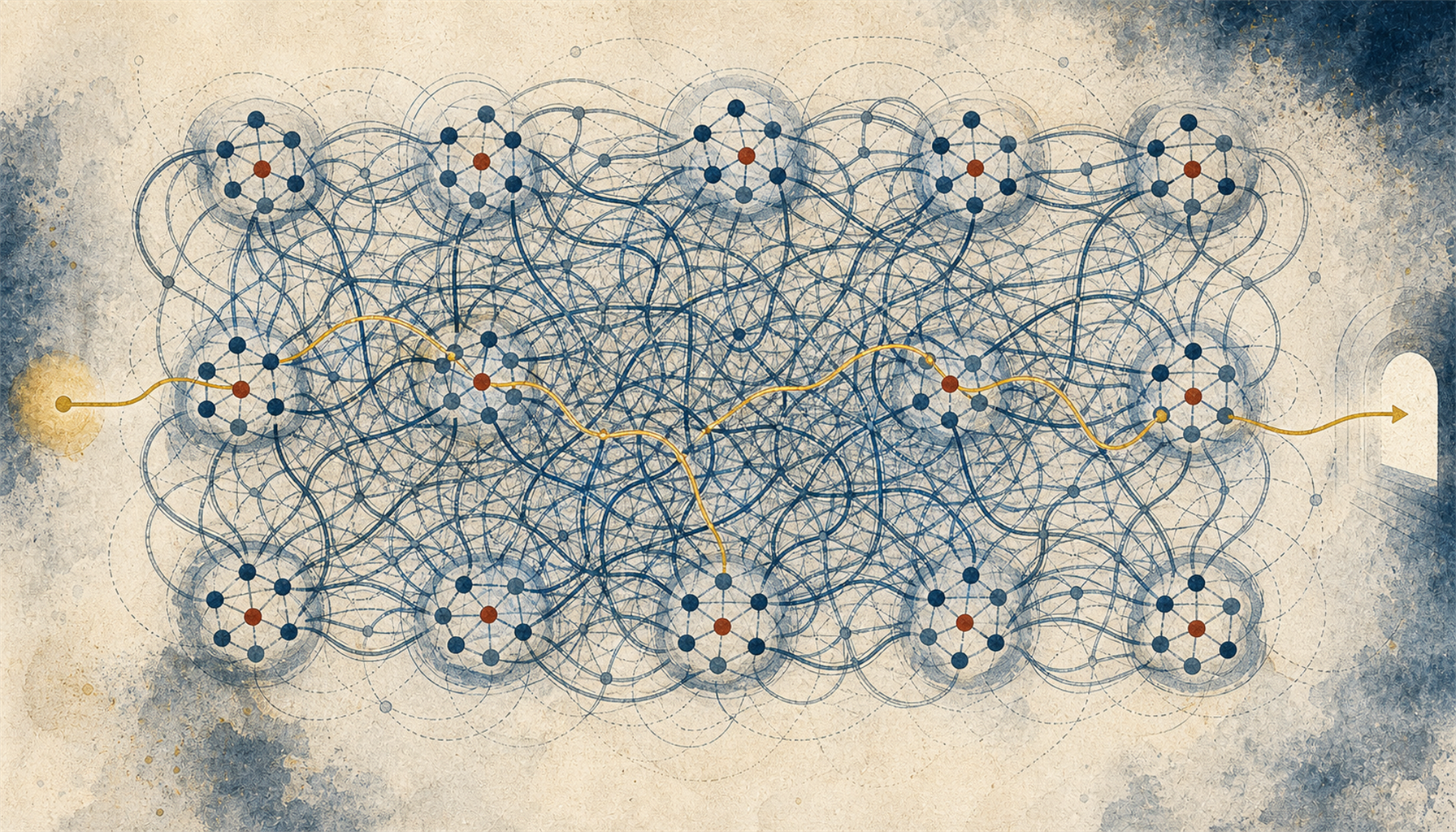
As the 2026 World Cup's second round of group games unfolded around June 22-23, the standings stopped being simple. With 48 teams in 12 groups, the eight best third-placed teams advance alongside the top two, so working out who is actually qualified now requires comparing records across groups that haven't finished playing. That confusion is not a side effect of the new format; for the betting markets built on it, the confusion is the product. No tips, no picks — just how 'to qualify' scenario markets are priced, why complexity reliably widens the bookmaker's edge, and why a market you don't fully understand is one you are structurally set up to lose.

Argentina 1-0, Norway 3-2: The Same Two Games, a Dozen Different Bets — and Why the Extra Markets Cost You More
On June 22, 2026, Argentina ground out a 1-0 win over Austria while Norway edged Senegal 3-2 in a five-goal thriller. One cautious result, one chaotic one — and around each, a sportsbook offers not one market but a dozen: both teams to score, win to nil, correct score, winning margin, team totals. These derivative goal markets feel like a way to bet more cleverly on a game you've read well. No tips, no picks — just why the proliferation of markets around a single match is built to widen the house's edge, why more betting options is not more skill, and why the most specific-sounding bet is usually the most expensive one on the board.

The USA Locks Up Group D: What Early Qualification Reveals About Futures and Outright Betting
On June 19, 2026, the United States beat Australia 2-0 to clinch first place in Group D and become one of the first nations through to the round of 32, with its knockout match already set for July 1. Early qualification is also a window into the least-understood family of bets at any World Cup: futures and outright markets, the long-running wagers on who will win the group, reach the knockouts, or lift the trophy. No tips, no picks — just how outright prices are built, why their bookmaker margins are the fattest on the board, what it costs you that your stake is locked away for weeks, and the 'dead rubber' problem early qualification quietly creates.

Netherlands 5-1, Japan 4-0 — and Three Favorites Held: The Weekend That Explains Why Parlays Are the House's Best Product
The June 20-21, 2026 World Cup weekend served both extremes at once: routs like the Netherlands' 5-1 demolition of Sweden and Japan's 4-0 over Tunisia, alongside shock draws as Cape Verde held Spain 0-0, Iran held Belgium 0-0, and Uruguay was pegged back to 2-2. For a parlay bettor, that combination is a wood-chipper. The accumulator is the single most profitable product a sportsbook sells, and a weekend of blowouts mixed with upsets is exactly how it eats tickets. No tips, no picks — just the maths of why a parlay's true odds collapse far faster than its payout grows, why the house margin compounds on every leg, and why one held favorite ruins the whole slip.

Lamine Yamal's First World Cup Goal and Vozinha's 14 Million Followers: Why Breakout-Star Props Are the Thinnest Bets on the Board
On June 21, 2026, Lamine Yamal scored his first career World Cup goal in Spain's 4-0 win over Saudi Arabia, while Cape Verde goalkeeper Vozinha vaulted to 14 million Instagram followers days after holding Spain to a draw. A tournament makes new stars overnight — and the betting markets built on those new stars are the most fragile, highest-margin wagers on the entire board. No tips, no picks — just why a market priced on a player with almost no World Cup data, riding a wave of narrative and hype, carries the widest margins and the lowest limits, and why the moment a name catches fire is the worst possible moment to bet it.

Mbappé +225, Messi +300, Haaland +600: The Golden Boot Race Is Really a Lesson in Player Props
Three names now sit at the front of the 2026 World Cup Golden Boot market — Kylian Mbappé around +225, Lionel Messi near +300, Erling Haaland at roughly +600 — after an opening week in which all three scored in their tournament debuts. Behind the headline race sits the fastest-growing and least-understood corner of sports betting: player props, the wagers on individuals rather than results. 'Anytime goalscorer', 'to score 2 or more', tournament top scorer — these markets feel like backing a player you admire, and that feeling is exactly what makes them so easy to misread. No tips, no picks: this is how player-prop pricing actually works, and why the most intuitive bet on the board is often the one bettors understand least.

The Goalkeeper's Other Market: Why 'Save' and 'Penalty' Micro-Bets Are the World Cup's Softest Target
A goalkeeper having the game of his life is one of football's purest spectacles — and one of betting's quietest risks. When Saudi Arabia's Mohammed Al-Owais kept Uruguay to a 1-1 draw with a string of saves in the tournament's opening week, he also lit up a corner of the market most fans never think about: in-play wagers on saves, penalties, and cards. Integrity specialists have spent years warning that these micro-bets, not match results, are the easiest thing in football to manipulate. With an estimated 60 billion dollars set to flow through regulated books and roughly a tenth of it riding on events that have nothing to do with the final score, this is how the soft target works, who is watching it, and where Filipino bettors sit relative to a net that only covers the licensed market.

The Messi Effect on the Bet Slip: How a Legend's Last Dance Becomes Marketing's Sharpest Hook — and What the Philippines Is Trying to Blunt
Lionel Messi tying the all-time World Cup goals record 20 years after his debut is the kind of narrative no marketing department could invent and every one will borrow. A legend chasing history is the most powerful emotional hook in sports betting — it converts admiration into action and turns watching into wagering. That is exactly the lever the Philippines is moving to restrict, through PAGCOR's escalating advertising crackdown and Senate Bill 47's outright ban on gambling promotion. This analysis connects the psychology of the star narrative to the regulatory response now colliding with the World Cup's peak marketing window, and asks what a country gains, and gives up, by trying to legislate against a feeling.
Same Tournament, Different Playbooks: How Singapore, South Korea and the Philippines Police World Cup Betting
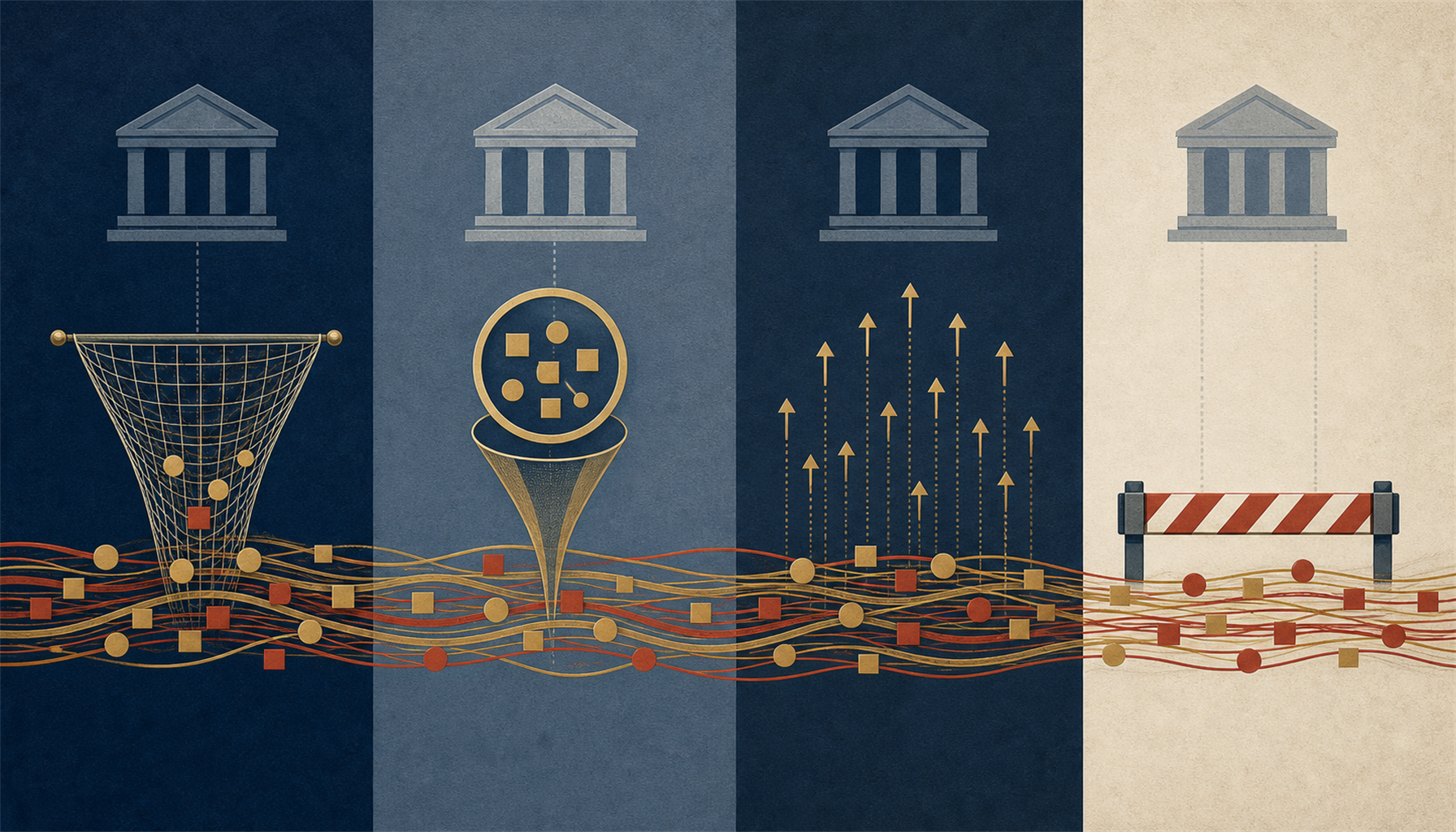
As the 2026 World Cup kicked off, several Asian governments announced enforcement surges against illegal betting timed to the tournament. Singapore went after money-mule accounts and ran twin public-awareness campaigns; South Korea launched a citizen tipline that pays small rewards for reporting illegal sites; Malaysia pledged tighter monitoring of gambling promotion. Each is a tactical, time-boxed operation inside a settled regulatory regime. The Philippines is doing many of the same things — blocking sites, chasing promoters — but from a very different place: mid-debate over whether to ban online gambling outright. This analysis compares the playbooks and asks what the Philippine approach gains, and loses, by fighting the tournament and its own policy at once.

Senate Bill 47 in Detail: The Anti-Online Gambling Act That Would Jail Operators and Outlaw the Ads
We have tracked the pile-up of online-gambling ban bills in the Philippine Senate. One has now moved to the front: Senate Bill No. 47, the Anti-Online Gambling Act, authored by Majority Leader Joel Villanueva and listed among the chamber's top-ten priority measures. This piece reads the bill itself — not the politics around it. It would prohibit placing, receiving, or transmitting bets online, and crucially, it would ban the advertising and promotion of online gambling outright. It carries graduated penalties: jail or fines for individuals, and up to five years' imprisonment for a corporation's responsible officer. With a companion total-ban bill from Senator Loren Legarda alongside it, here is what SB 47 actually does and where its hardest edges are.
Betting on Impunity: How the Gaps Between National Rulebooks Become the World Cup's Real Risk
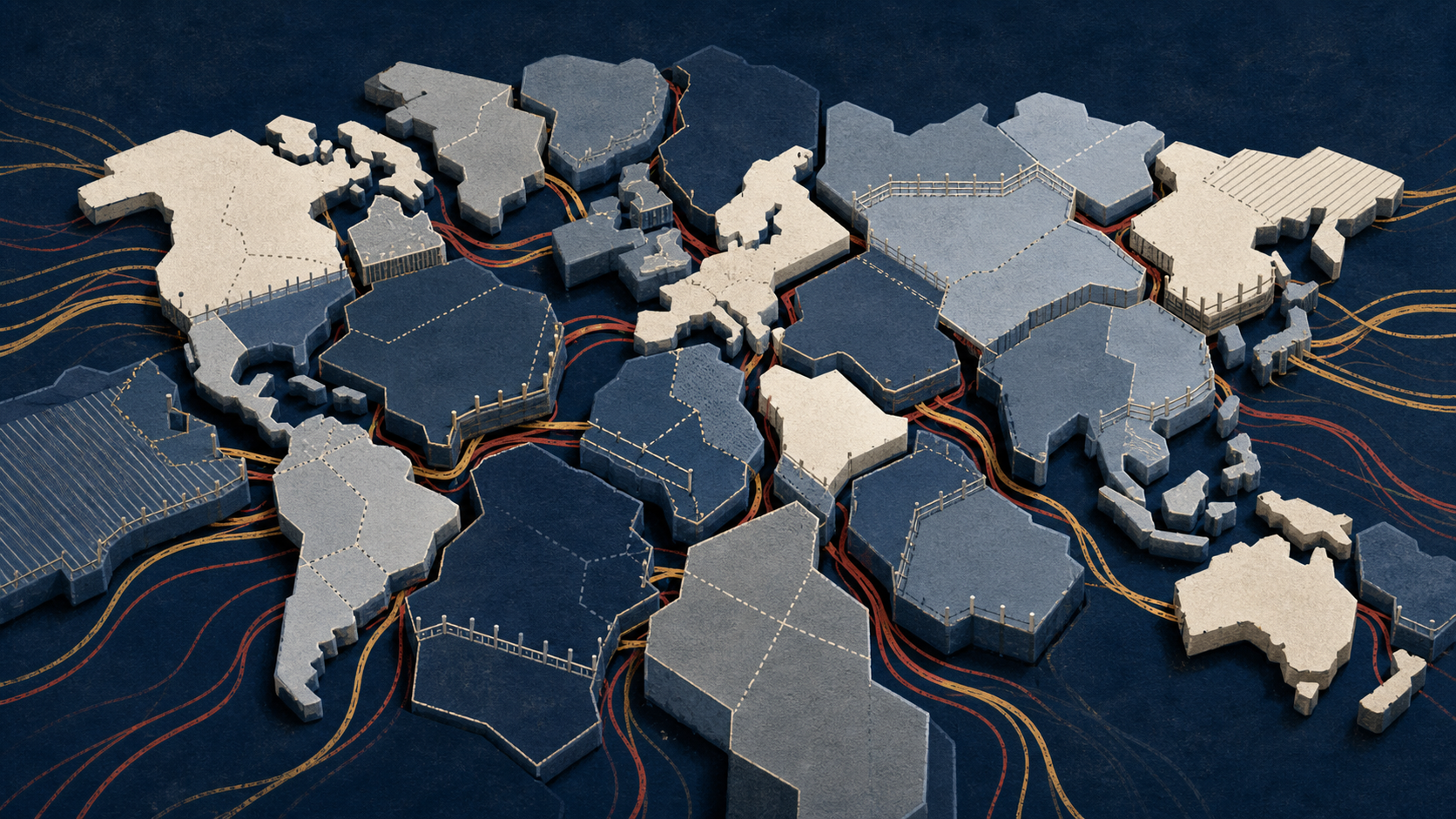
A 2026 Global Initiative analysis argues that the biggest betting event in history will heighten risk not because any single market is lax, but because the seams between national rulebooks create impunity. What one country bans, another licenses; what one regulator monitors, another cannot see. The report puts prediction markets — fast-growing, often unlicensed, frequently crypto-settled — at the centre of the problem, and points to FIFA's own roughly $150-million deal with a Gibraltar-licensed prediction-market platform as a sign of how fast the frontier is moving. This analysis reads the regulatory-arbitrage thesis through a Philippine lens: what it means for a country that can only police its own perimeter.

Deposit, Layer, Cash Out: The UN's Three-Stage Map of How Betting Launders Money — and Why the World Cup Helps
A 2026 United Nations report lays out, in unusually plain terms, how online gambling platforms are used to wash criminal proceeds: money is deposited as bets, obscured through in-game transfers and proxy wagering, then withdrawn as 'winnings' that look clean. The same report names the Philippines among the jurisdictions increasingly connected to the white-label gambling networks that power Southeast Asia's scam-compound economy. This analysis works through the three-stage model, why a $50-billion betting tournament is a gift to the layering stage, and where the licensed Philippine market sits relative to the offshore machine the UN is describing.

The Grey List Risk Behind the World Cup Betting Surge: Why Online Gambling Could Cost the Philippines More Than Money
The Philippines spent nearly four years climbing off the Financial Action Task Force's money-laundering grey list, finally exiting in February 2025. Months later, the central bank governor was asked directly whether unregulated online gambling could send the country back — and his answer was one word: yes. With the World Cup driving the year's biggest surge in betting, much of it through offshore and crypto channels the monitoring system cannot see, this analysis works through why the grey-list risk is the highest-stakes cost of the offshore market, why the next FATF evaluation in 2027 makes the timing fragile, and why the licensed perimeter is the part of the market regulators can actually account for.

The Ban Bills Reach the Boil Just as the World Cup Kicks Off
The Philippine Senate's push to ban online gambling has moved from background threat to active pressure exactly as the World Cup arrives. Deliberations on the Anti-Online Gambling Act have resumed, an outright-ban bill and an e-wallet-ban bill sit alongside it, and the revived fear of returning to the FATF money-laundering grey list has handed the prohibition camp its most powerful argument yet. This analysis maps the bills now in play, why the tournament's peak-betting window is also peak political ammunition, and how the total-ban camp and the regulate-and-formalize camp are reading the same surge to opposite conclusions.

Friction by Design: How the Philippines' Payment Crackdown Meets Peak World Cup Demand
The Philippines has spent a year building deliberate friction into how money reaches a betting account — an August 2025 order severing GCash and Maya from gaming platforms that cut online transactions roughly in half, followed by an outright ban on credit-card and cryptocurrency funding. Friction is the policy, not a bug. But the World Cup is the year's biggest surge in betting demand, and this analysis works through the tension at the center of the design: whether payment friction protects players, pushes some toward offshore crypto sites that accept exactly the banned methods, or does both at once.

48 Teams, 104 Matches, 39 Days: Why the 2026 World Cup Is the Longest Betting-Exposure Window in History
The 2026 World Cup is the first with 48 teams, expanding from 64 matches to 104 across 39 days and three host nations. For fans it means more football than ever. For the betting market — and for responsible-gaming policy — it means something more specific: the longest sustained window of near-daily betting triggers a major tournament has ever produced. This analysis works through what the expanded format changes for the Philippine market, why the risk is the duration rather than any single night, and what it means for operators and regulators alike.
DigiPlus Builds an Offshore Hedge as the Home Market Tightens
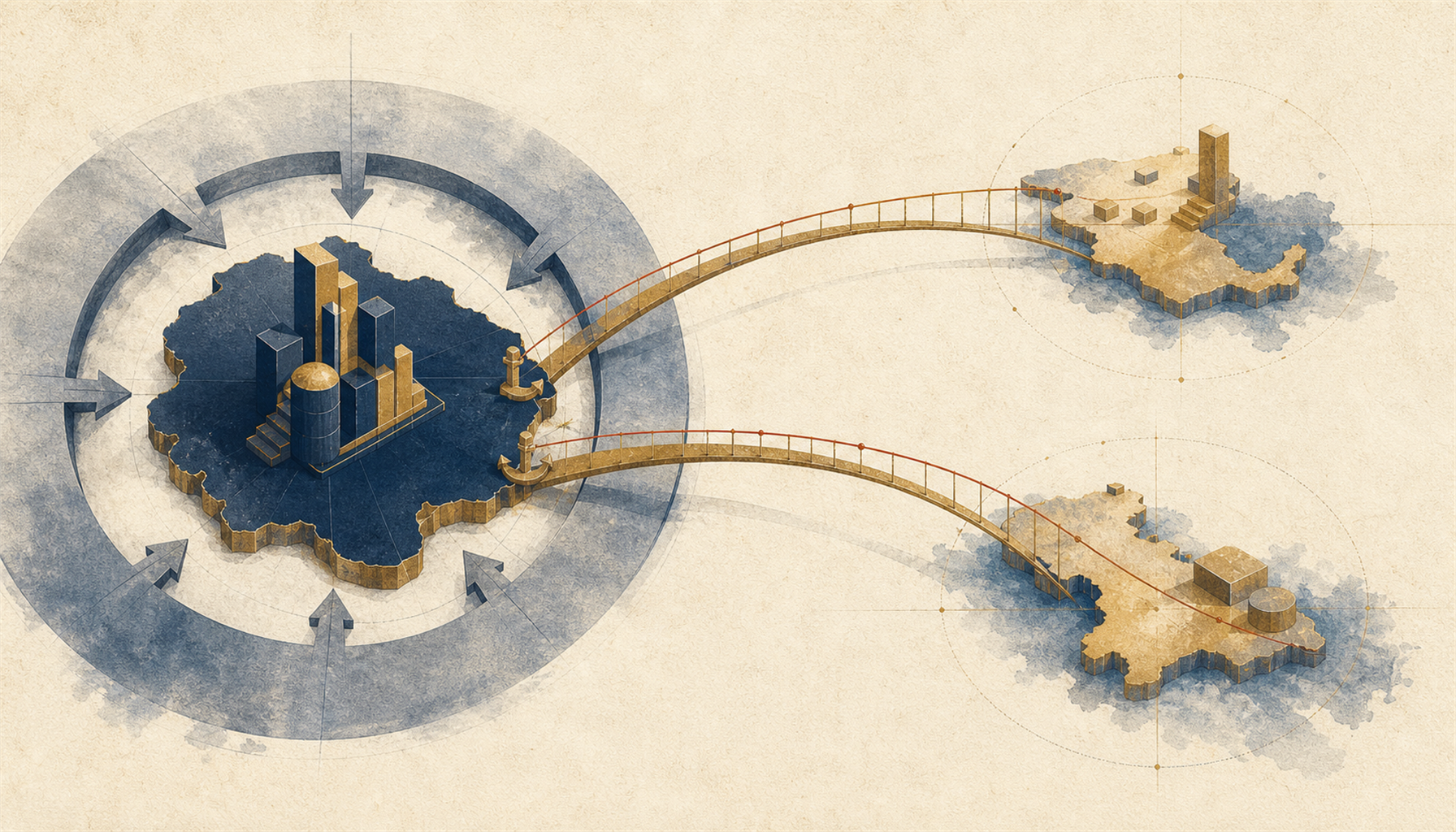
DigiPlus controls roughly half of the Philippine licensed online market — and that market is shrinking, capped, and under a live ban threat all at once. The company's response is to push the other way: a Brazil relaunch by the end of June, a South Africa soft launch targeted for 2027, a new president installed to drive it, and margin work to steady earnings after a 33 percent first-quarter profit drop. This analysis reads the international build-out as exactly what it is — a deliberate hedge against the concentration risk of being a giant in one tightening market.

Why PAGCOR's Cashback Cap Tilts the Table Toward the Giants
PAGCOR's new 1.5 percent cap on player rebates was announced as a measure to level the online gaming playing field, and DigiPlus — the operator that controls roughly half the licensed market — publicly welcomed it. That endorsement is the tell. This analysis works through why a cap on cashback, paired with the minimum guaranteed fee that took effect June 1, removes the main competitive lever sub-scale operators had against a dominant incumbent, and why the predictable result is faster market consolidation rather than a fairer fight.

The Bill That Could Replace the Patchwork: Inside the Philippines' New Comprehensive iGaming Framework
The Senate and PAGCOR are jointly drafting a single comprehensive law to govern the Philippine online gaming sector — replacing the current memorandum-by-memorandum patchwork with a unified framework covering payment-channel controls, marketing restrictions, and consumer protection. DigiPlus sits on the technical working group. This analysis maps what a comprehensive iGaming law would change, why the licensed industry wants the certainty it offers, and why it is being drafted in direct tension with the Senate camp that would rather ban online gambling outright.
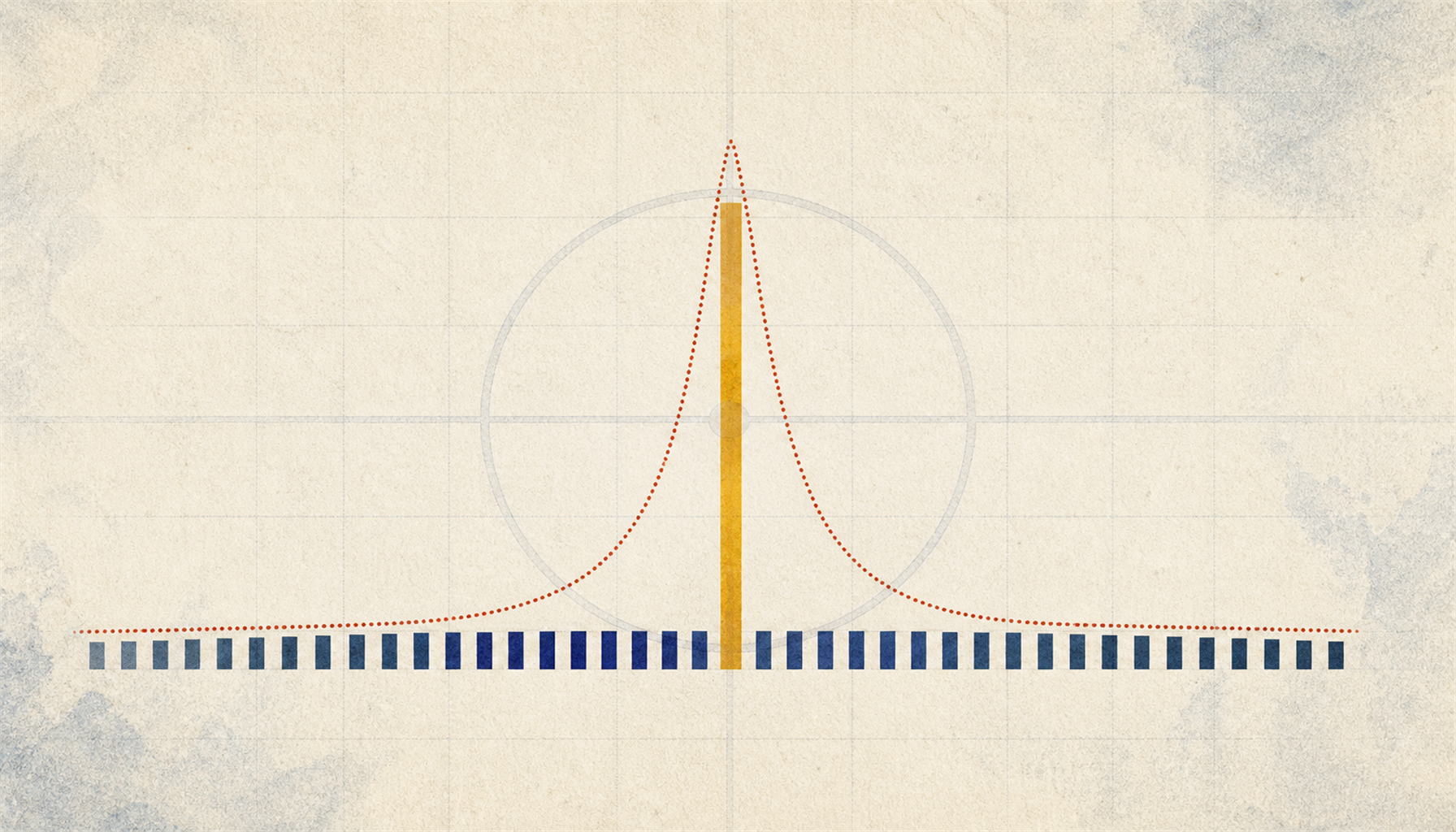
Will the World Cup Move the Needle on Philippine Sports Betting GGR? Doing the Math on the 15% Rate
The 2026 World Cup is the first marquee global event to test PAGCOR's January rate cut. An analytic read of what a six-week, 104-match tournament could plausibly contribute to Philippine sports betting gross gaming revenue — and why the headline event effect is smaller and more structural than the promotional noise suggests.
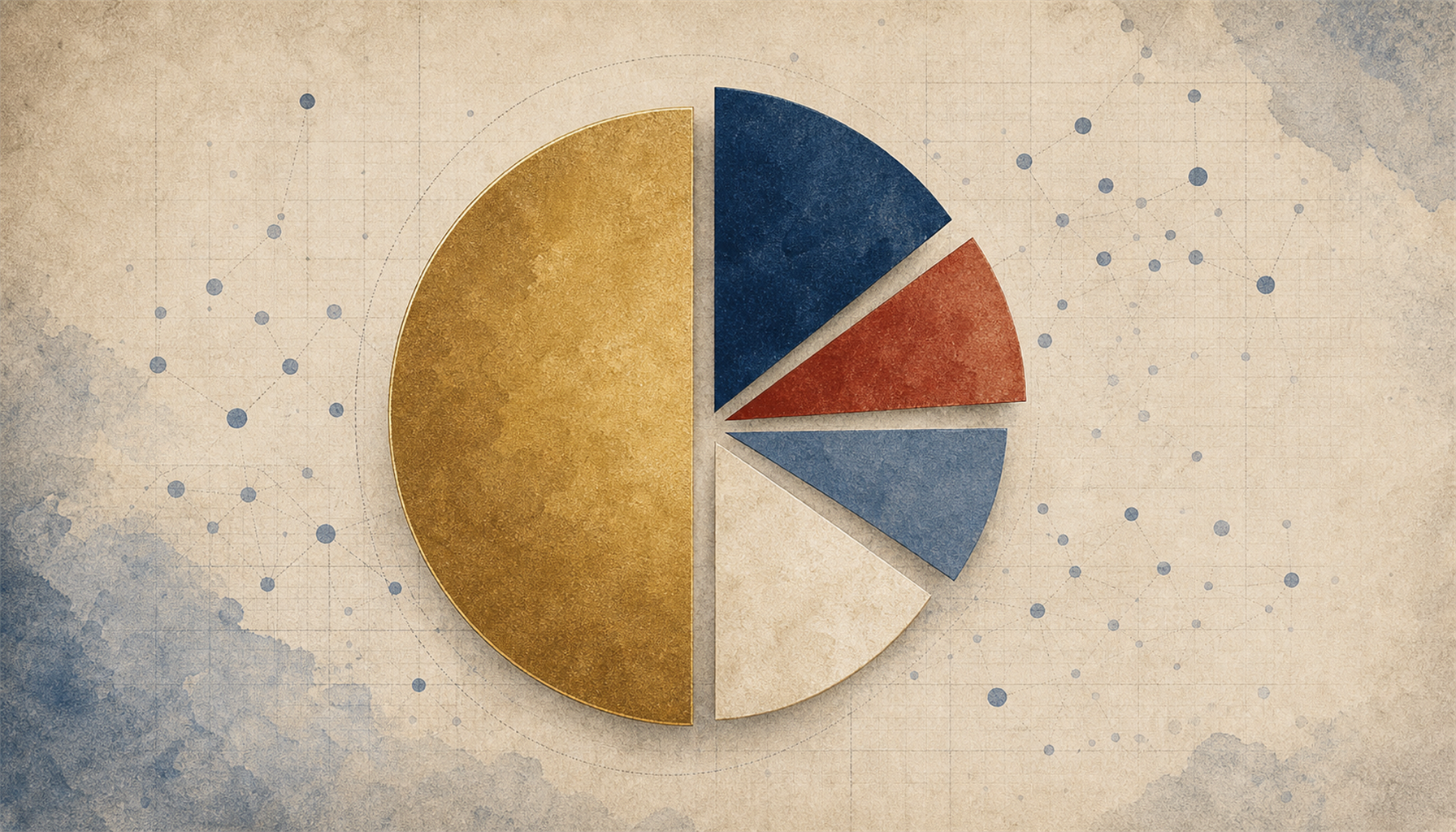
The DigiPlus 50 Percent: What Market Concentration Means for the Philippine Online Gambling Sector
DigiPlus Interactive controls roughly half of the Philippine licensed online gambling market — 48 percent of the PHP 154.5 billion e-games segment in 2024, settling closer to 40 percent in H1 2025 as regulatory pressure and new competition arrived. An analytic read of what a single-operator market concentration of this scale means for PAGCOR regulation, for competitive dynamics, for the Senate-level ban deliberations, and for the structural future of Philippine online gambling.
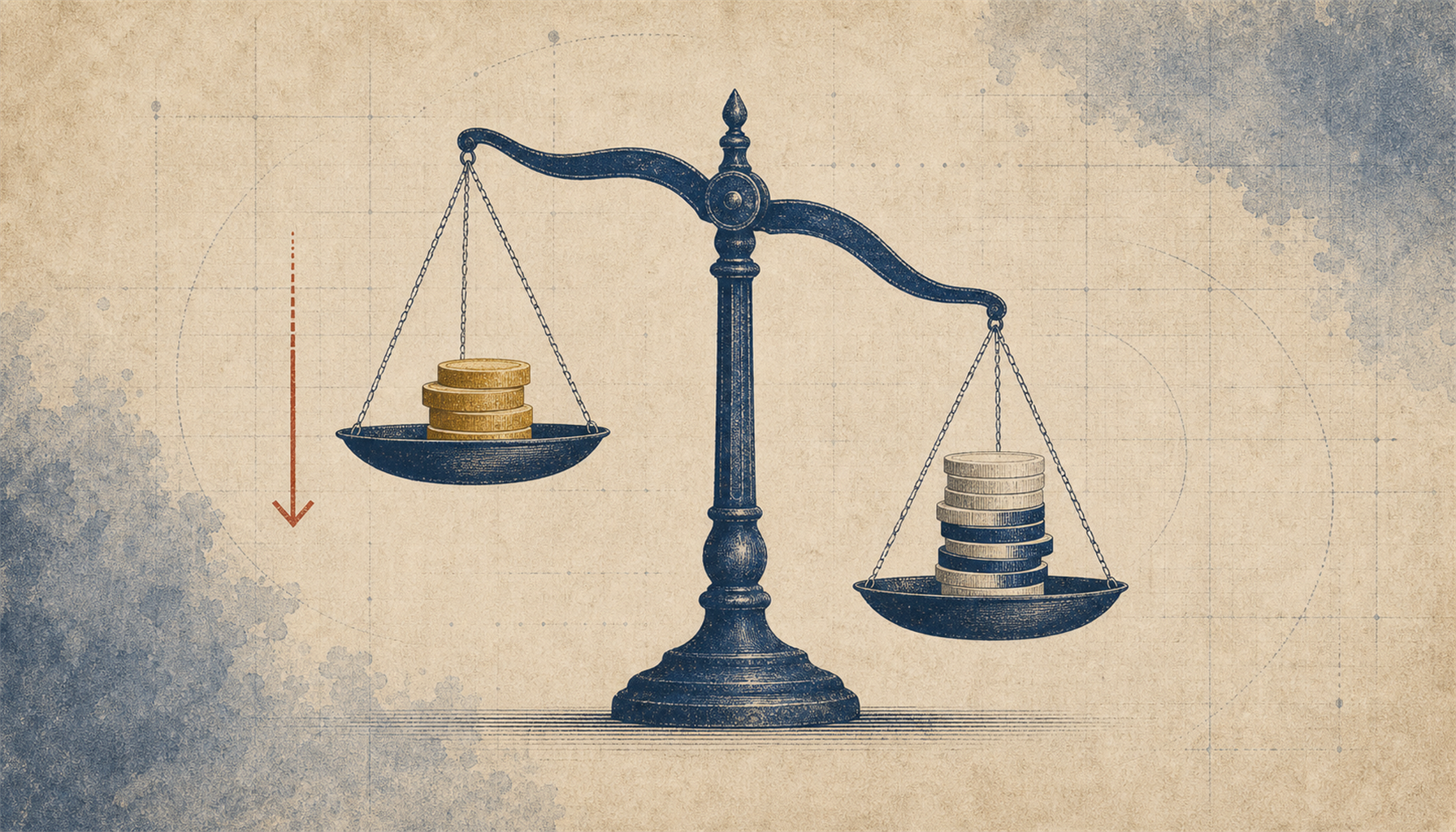
PAGCOR Cuts Live Sports Betting GGR Share Rate from 17.5% to 15%: Why the Math Changed
PAGCOR's January 26, 2026 revision of the live sports betting gross gaming revenue share rate — from 17.5 percent to 15 percent, with the 30 percent virtual betting rate maintained — was the regulator's first substantive accommodation to the licensed online gambling sector since the August 2025 BSP delinking order. An analytic read of what the 2.5-point cut signals about PAGCOR's strategic posture, what it means for ArenaPlus and competing PIGO sportsbooks, and where the next regulatory adjustment is most likely to come.
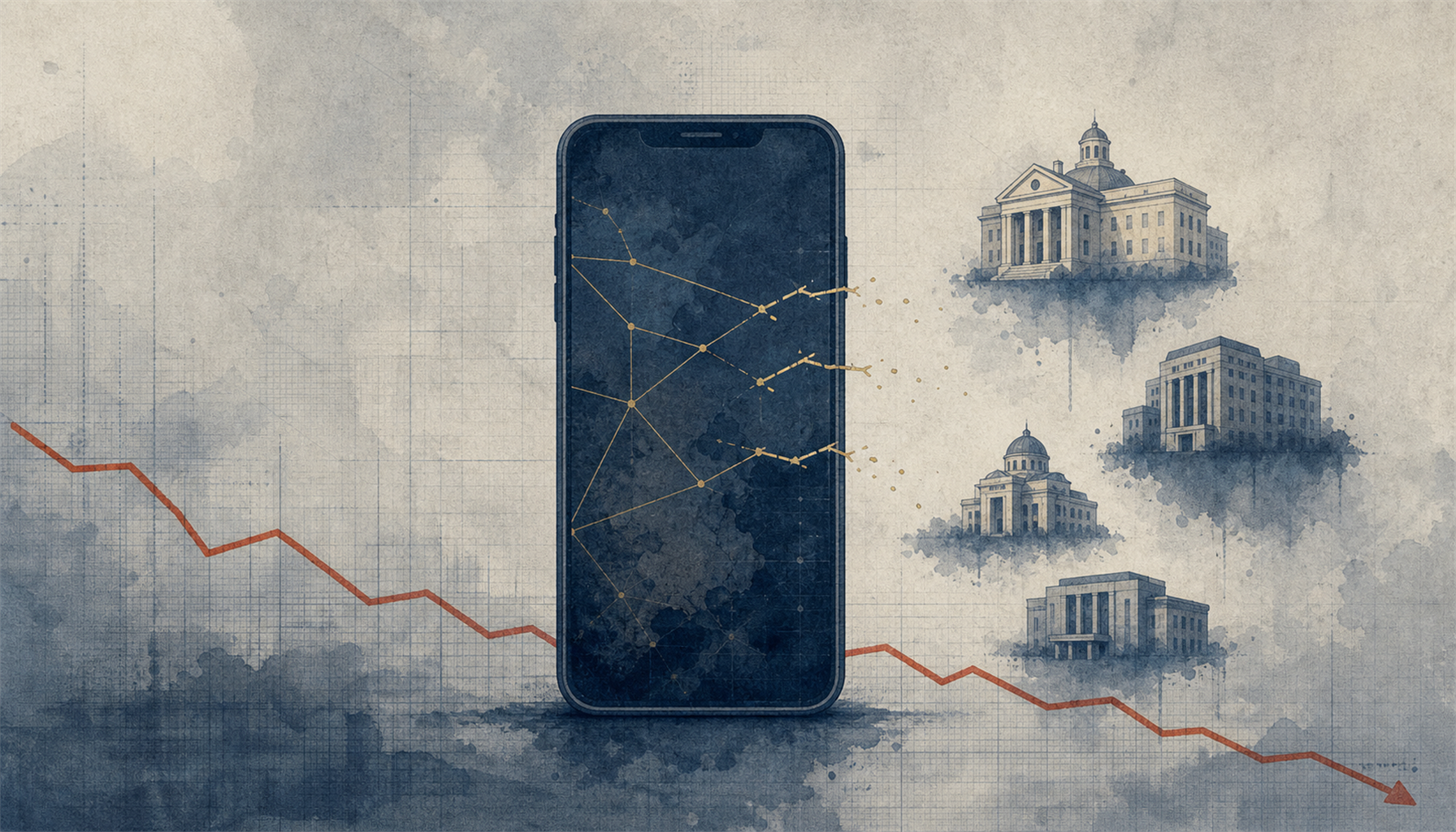
The E-Wallet Delinking Order, Six Months On: What the August 2025 BSP Directive Did to Philippine Online Gaming
An analytic read of the structural impact of the August 14, 2025 BSP directive requiring e-wallets to remove in-app links to online gambling platforms. The order produced a 50 percent immediate transaction decline, a 49 percent drop in PAGCOR online gaming income through Q4 2025, a 25 percent DigiPlus revenue decline in Q1 2026, and a 39 percent EBITDA decline at Bloomberry for full-year 2025. What changed, what didn't, and what the new equilibrium looks like.
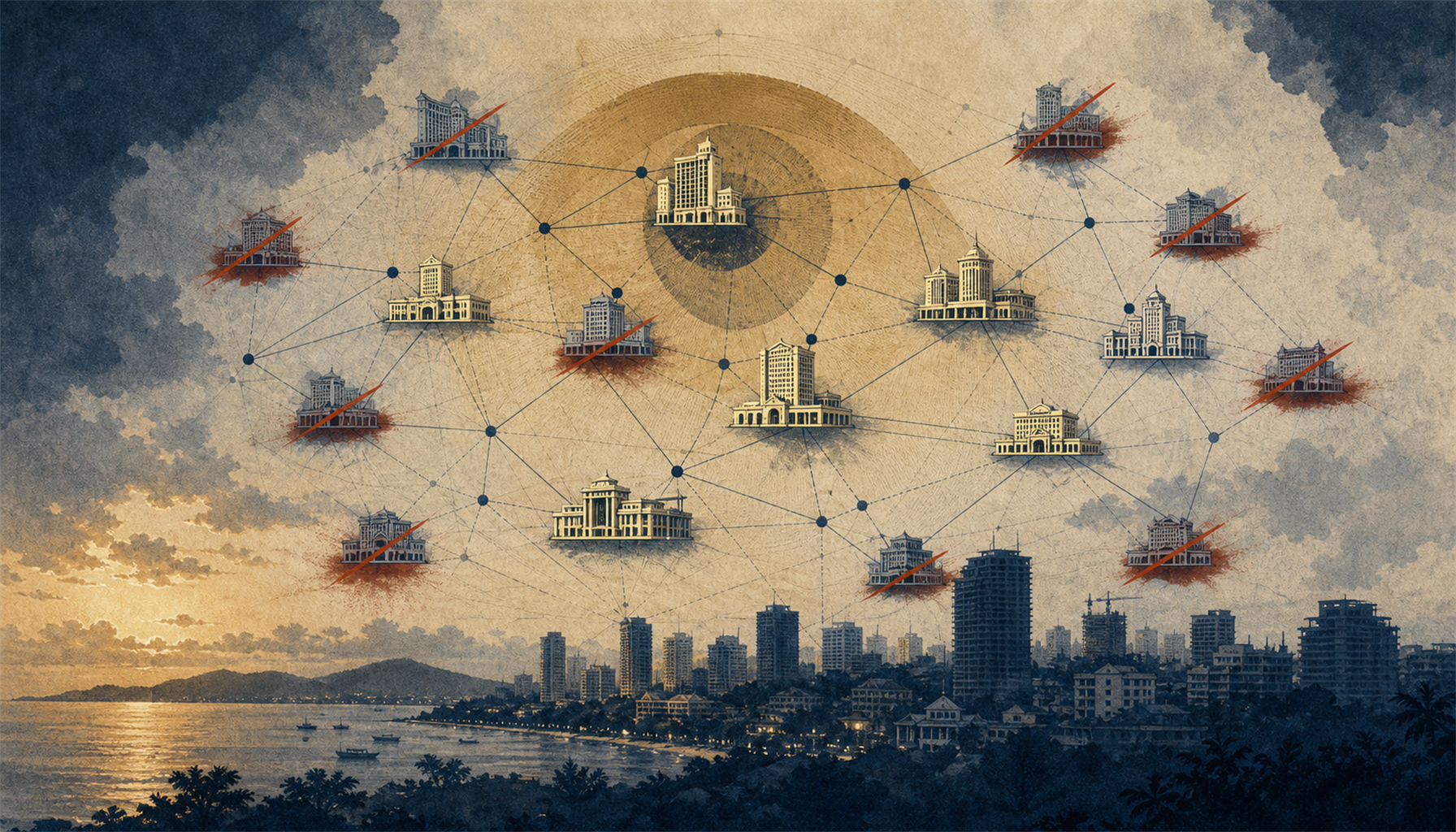
The Post-POGO Cambodia Scam-Casino Nexus: OFAC, Chen Zhi, and What Sihanoukville Looks Like Now
An analytic read of the post-POGO Cambodian gaming structure that 2026 has revealed: the Chen Zhi-led Prince Group's $15B forfeiture, the OFAC sanctions on Senator Kok An, and the eight Cambodian casinos stripped of licenses since April. What the actions describe — and what they imply for any operator considering Cambodia as a regulatory home.

Senate Bill 2580 in Plain English: The PAGCOR Reform That Wasn't
Before Senate Bill 2814 became the leading proposal to restructure PAGCOR, an earlier bill — SB 2580 — tried to do something similar and quietly died in committee. Understanding why it failed explains the shape of the reform that replaced it.
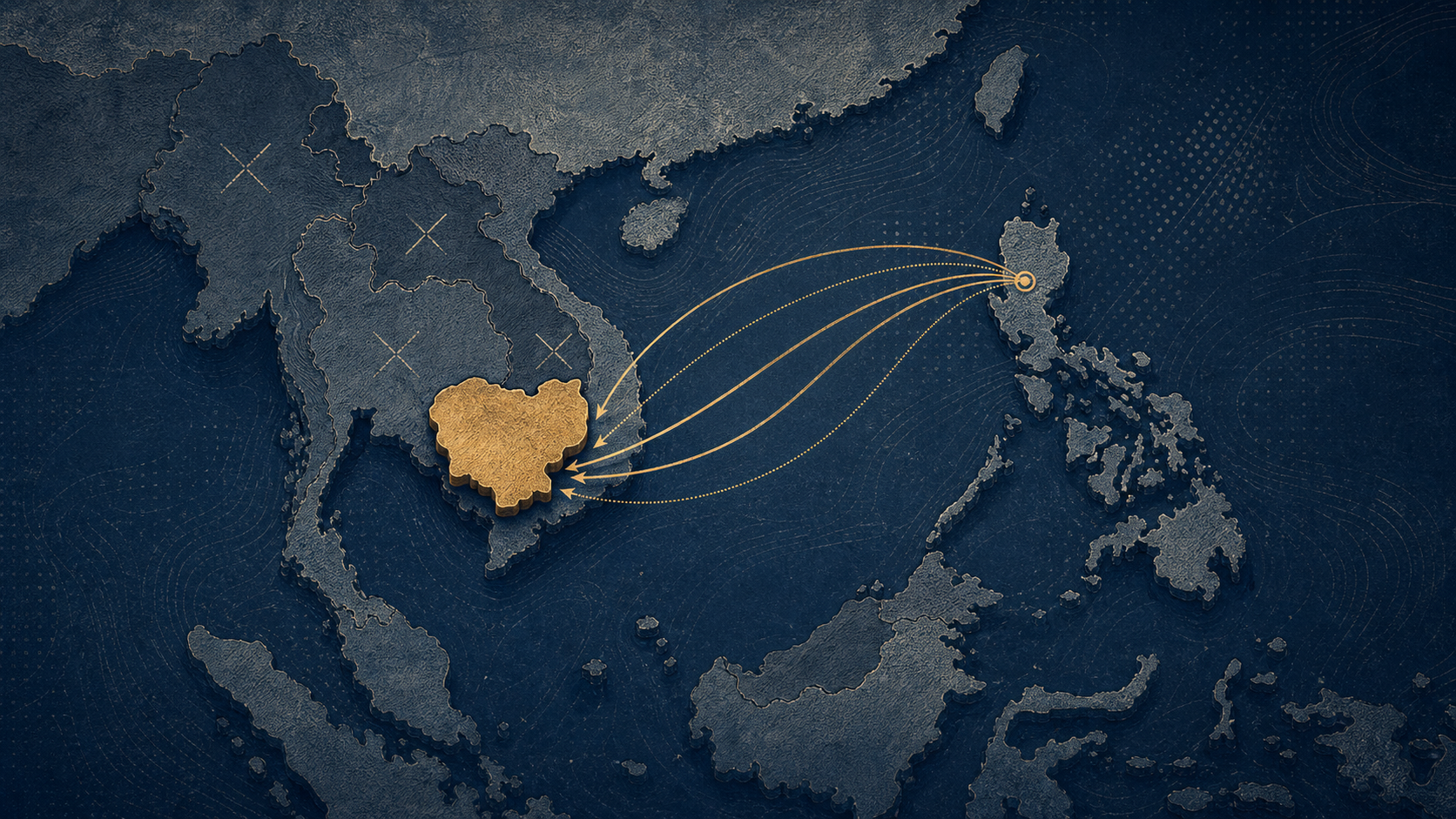
Why Cambodia Won the POGO Refugees: A Geopolitical Read
When the Philippines shut down POGOs in 2024, the displaced operators had options. Vietnam was closed. Myanmar was burning. Laos was too small. Cambodia opened a door — and built a three-tier licensing framework around it. The geopolitics behind a regional rebalancing.

PIGO vs e-Games: A Regulatory Maze, Mapped
The Philippines has two parallel online gaming license systems, both administered by the same regulator. How they differ, where they overlap, and why the confusion costs operators millions and leaves players unprotected.