Section
Sports Betting
PAGCOR-licensed sports betting in the Philippines — the regulated market, operators like ArenaPlus, betting on the FIFA World Cup and other major events, odds literacy, and responsible play. No tips, no picks: how the legal market actually works.
53 articles
Fresh Legs, Tired Story: Why 'Fatigue' and 'Rest-Day' Narratives Move Quarter-Final Prices More Than They Should
The 2026 World Cup's quarter-finals, played July 9-11, arrive with an eight-team field that reached the last eight by very different roads. Switzerland spent 120 minutes and a penalty shootout to get past Colombia; others were home inside 90. By the time the elite-eight prices go up, the app is full of one word: fatigue. Rest and tiredness are real, physical things — and that is exactly what makes the narrative so easy to sell and so easy to overpay for. No tips, no picks — just why a genuine factor becomes a mispriced story, why you cannot measure a squad's freshness better than the book can, and how to tell analysis from a feeling dressed as analysis.
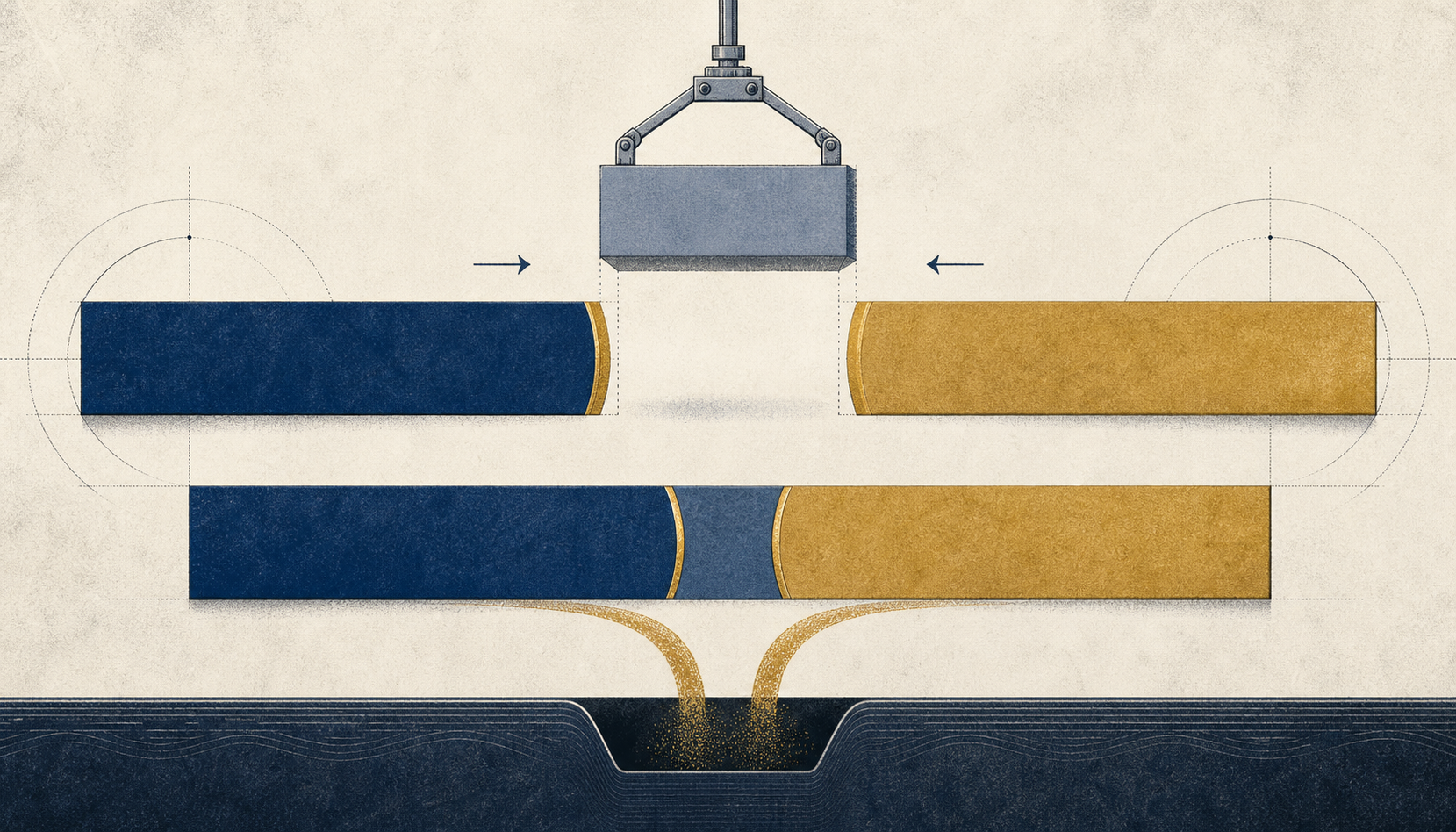
Removing the Draw: What Asian Handicap and Draw-No-Bet Markets Really Cost in a Tight Quarter-Final
The 2026 World Cup quarter-finals, played July 9-11, are the kind of tight, even ties — Spain against Belgium, Argentina against Switzerland — where the sportsbook stops leading with the plain match-winner market and starts pushing something that looks safer: draw-no-bet and Asian handicap. These markets genuinely change the shape of the risk. What they do not do is remove the house edge — they repackage it into a shorter price. No tips, no picks — just what draw-no-bet and Asian handicap actually settle on, why 'safer' is not the same as 'better value', and why removing the draw in knockout football means removing a real and common outcome.

The 'Free' in Free Bet: Why a Bonus Bet Is Worth Less Than Its Face Value
As the 2026 World Cup reaches its July 9-11 quarter-finals, the offer that floods every betting app is the free bet: 'Bet ₱1,000, get ₱500 free.' It is the word 'free' doing an enormous amount of quiet work. A free bet has real value, but that value is systematically less than the number printed on it — often only about 60 to 70 percent — and the conditions around it can shrink it further. No tips, no picks — just why a free bet's stake is not returned, what wagering requirements and minimum-odds rules actually do, and why 'bet ₱1,000 to unlock ₱500' means the money was never free in the first place.
The Pending-Withdrawal Trap: How 'Reverse Withdrawal' Design Keeps Your Money in Play
Depositing on a betting app is instant. Withdrawing is not. As the 2026 World Cup reaches its July 9-11 quarter-finals and more Filipino bettors try to take winnings out, many meet the same wall: a 'pending' payout that sits for hours or days, alongside a single button that offers to cancel it and put the money straight back into the betting balance. That asymmetry is not a technical limitation — it is a design choice. No tips, no picks — just why the pending window exists, how cancel-withdrawal design re-tempts money that was on its way out, and why the defence is to treat a requested withdrawal as already spent.

The Extra Thirty Minutes: How Knockout Extra Time Opens a Second In-Play Betting Window Priced in the House's Favour
As the 2026 World Cup reached its Round of 16 over the weekend of July 4-6, the format handed bettors something the group stage never did: a match that refuses to end. When a last-16 tie is level after 90 minutes, it goes to 30 minutes of extra time, and if still level, to penalties. For the sportsbook, those extra minutes are not just more football — they are a second in-play betting window, a fresh board of live markets reopened on tired legs, and another stretch of turnover on which the house margin is quietly collected. No tips, no picks — just why extra time extends your exposure rather than your edge, why a longer match means more margin and more chances to chase, and why the tiredest, most random half-hour of the tournament is exactly when the live board lights up brightest.

On a Roll: Why 'Momentum' From a Dramatic Round-of-32 Win Is a Story the Bracket Sells and the Data Barely Supports
As the 2026 World Cup opened its Round of 16 over July 4-6, every surviving team arrived carrying a story. Some scraped through on a stoppage-time winner — Canada advanced on Stephen Eustáquio's 90+2 goal — others held their nerve through a penalty shootout, and a few cruised. By the time the last-16 ties kicked off, the commentary had a single word for the dramatic survivors: momentum. They are 'on a roll', 'peaking at the right time', 'impossible to stop'. It is a compelling narrative and a natural way to pick a bet. It is also, in the evidence, one of the least reliable reasons to back a team. No tips, no picks — just why the hot-hand and recency effects make one dramatic result feel predictive when it barely is, how that feeling shortens a price past fair value, and why 'they've got the momentum' is a story to enjoy, not a stake to size up on.

Build-a-Bet: Why the Same-Game Parlay on a Marquee Last-16 Tie Looks Generous and Prices Like a Trap
The 2026 World Cup's Round of 16, played over July 4-6, gave the sportsbooks their perfect canvas for the product they push hardest: the same-game parlay, or 'build-a-bet'. Pick a marquee tie, then stack it — this team to win, this player to score, over 2.5 goals, both teams to score — into a single long price that turns a routine match into a lottery-sized payout. It looks like the app doing you a favour, letting you combine your reads into one big number. It is, in the math, one of the highest-margin products on the entire board, and the reason is a word most build-a-bet screens never mention: correlation. No tips, no picks — just why bundling legs from one match multiplies the house edge rather than your winnings, why 'correlated' legs are priced against you on purpose, and why the bet that feels like the smartest use of your knowledge is usually the worst use of your money.
The Price Boost: Why 'Enhanced Odds' on the Big Last-16 Tie Are a Marketing Tool, Not a Gift
Every marquee tie in the 2026 World Cup's Round of 16, played over July 4-6, arrived wrapped in the same offer: boosted odds. 'Price boost.' 'Enhanced to +250.' 'Was 4/1, now 6/1 — today only.' It is the friendliest-looking thing on a betting app — the house, apparently, choosing to pay you more than it has to. But a sportsbook is not a charity, and a boost is not a mistake it forgot to fix. It is one of the most precisely engineered marketing instruments in the business: a tool to decide which bet you place, how much you stake, how often you come back, and how many new customers sign up. No tips, no picks — just what an odds boost actually is, why even a genuinely improved price is still usually a priced product with conditions attached, and how to tell the rare real value from the far more common nudge.

Cashed Out Too Early: How the 'Cash Out' Button Sells You Certainty at a Discount
On June 28, 2026, Canada beat South Africa 1-0 in the opening Round of 32 match when Stephen Eustáquio scored in the 90+2nd minute — a single stoppage-time goal that flipped a result no one was sure of until the very end. Knockout football is full of these late swings, and the sportsbook has a button built for exactly that anxiety: 'Cash Out', the offer to settle your open bet early for a guaranteed amount. It feels like control. It is also a market the operator prices, with its own margin built in. No tips, no picks — just how cash-out works, why the number you are offered is almost always less than your bet is mathematically worth, and why the late-goal nerves the knockouts are built on are exactly when the button is hardest to resist and worst to press.
A Coin Flip in a Suit: Why Penalty-Shootout Betting Is Sold as Analysis and Settled by Chance
With the 2026 World Cup's Round of 32 under way from June 28, every knockout game now carries an ending the group stage never had: a tie after 90 minutes goes to extra time, and a tie after that goes to penalties. Sportsbooks have a full board for that ending — 'to win on penalties', 'to qualify', shootout correct-score, first miss. The markets look like skill positions you can read. The football evidence says a shootout is close to a coin flip that the best preparation barely nudges. No tips, no picks — just why penalty outcomes are dominated by chance, why a near-random event is dressed up as an analysable market, and why the margin on a coin flip is the easiest edge the book ever sells.
Backing the Badge: Why the Famous Name Feels Like a Safe Bet and Prices Like a Bad One
On June 29, 2026, the World Cup's Round of 32 served up the kind of fixtures that make a betting board light up: Brazil against Japan, Germany against Paraguay, household names against teams many casual bettors could not place. The famous badge feels like the safe pick — you know it, you have seen it win, it carries the weight of history. That feeling has a name in behavioural science: familiarity bias, the habit of trusting what we recognise. On a betting board it is expensive, because the recognisable team draws public money that shortens its price below its true chance. No tips, no picks — just why a name you know feels safer than it is, how that feeling moves the odds against you, and why 'everyone knows Brazil' is a reason to check the price, not trust it.
Now or Never: How Knockout 'Last Chance' Marketing Pushes the Single-Match Stake Up
The 2026 World Cup's Round of 32, under way since June 28, changed the format from forgiving to final — one game, no second leg, win or go home. The betting marketing changed with it. 'Last chance to back them.' 'One game decides it.' 'Don't miss the biggest match of the round.' The knockout stage is a scarcity machine, and scarcity is one of the oldest levers in persuasion: when something feels like it is running out, people act faster, decide less, and pay more. No tips, no picks — just how single-elimination football is turned into urgency marketing, why scarcity pushes the stake size up and the thinking down, and how to tell a real deadline from a manufactured one before you bet bigger than you meant to.

Won in Extra Time, Lost on Your Slip: The Knockout-Stage Bet That Settles as a Draw
With the 2026 World Cup group stage closing on June 25-26 and the new Round of 32 starting June 28, the betting board is about to change shape in a way many casual bettors never notice until it costs them. In the knockouts there are no draws on the pitch — a tie after 90 minutes goes to extra time and, if needed, penalties. But on the bet slip, the most common market still settles at 90 minutes, where a tie pays out as a draw. Back your team on the three-way line, watch them win in extra time, and the bet can still lose. No tips, no picks — just the difference between 'match result', 'to advance', and the goal and shootout markets, and why this single distinction burns more knockout bettors than any upset.

One Game, One Coin Flip: Why Single-Elimination Knockouts and 'Road to the Final' Bracket Bets Multiply the House Edge
As the 2026 World Cup group stage ends and the bracket locks for the June 28 Round of 32, the betting board shifts from a forgiving format to an unforgiving one. The group stage gave teams three games and a points cushion; the knockouts give them one game with no second chance. Sportsbooks respond by pushing 'to reach the final', 'to win it all', and bracket-builder bets that ask you to predict a chain of single-elimination games. No tips, no picks — just why single-elimination raises variance for the bettor, why stringing knockout rounds together multiplies improbability and compounds the margin, and why a longer 'path' bet is sold as more skill when it is mostly more edge.

Nothing to Play For: Why 'Dead Rubbers' and the Simultaneous Kickoff Make the Final Group Games a Betting Trap
By June 24, 2026, the 2026 World Cup reached its final round of group games, and a quirk of the 48-team format arrived with it: because 32 of 48 teams advance, some sides walked into their last match with nothing left to play for — a 'dead rubber'. To stop the kind of mutually convenient result that disgraced the 1982 tournament, FIFA kicks both final games in a group off at the same time. For a bettor, those two facts combine into one of the least readable betting situations of the tournament. No tips, no picks — just why a team with nothing to play for is a coin you cannot weigh, why the simultaneous kickoff removes your last chance to react, and why 'a sure thing on paper' is exactly the shape the trap takes.

Mexico Wins Its Group and the Public Piles On: How Home-Favorite and Patriotic Betting Bias Quietly Shortens the Odds
On June 24, 2026, co-host Mexico beat Czechia 3-0 to win Group A, sending a wave of money toward one of the tournament's most heavily backed teams. Host nations and popular sides attract a particular kind of betting — money placed for the heart, the flag, or the crowd rather than for value. That public money has a measurable effect: it shortens the odds below what the real probability justifies, so the most-loved team is often the worst-priced bet on the board. No tips, no picks — just how favorite and home bias works, why a price can move on sentiment instead of likelihood, and why backing a team because you love watching it is the easiest way to overpay.

Jordan and Türkiye Are Out: What an Early Elimination Does to a Bettor's Head
By June 22, 2026, the 2026 World Cup had produced its first eliminations with a game still to play — Jordan knocked out after Algeria beat them, Türkiye gone from its group. For fans the tournament is over; for anyone who had money on them, a more dangerous moment begins. A dead bet, a busted futures ticket, a knocked-out team all trigger two of the best-documented traps in gambling psychology: the sunk-cost fallacy and chasing losses. No tips, no picks — just what happens in a bettor's head when the team is out and the money is gone, why 'getting it back' is the single most dangerous instinct on the board, and the practical guardrails that help.
Best Third-Placed Teams and the Permutation Maze: How the 48-Team Format Turns Confusion Into a Betting Product
As the 2026 World Cup's second round of group games unfolded around June 22-23, the standings stopped being simple. With 48 teams in 12 groups, the eight best third-placed teams advance alongside the top two, so working out who is actually qualified now requires comparing records across groups that haven't finished playing. That confusion is not a side effect of the new format; for the betting markets built on it, the confusion is the product. No tips, no picks — just how 'to qualify' scenario markets are priced, why complexity reliably widens the bookmaker's edge, and why a market you don't fully understand is one you are structurally set up to lose.

Argentina 1-0, Norway 3-2: The Same Two Games, a Dozen Different Bets — and Why the Extra Markets Cost You More
On June 22, 2026, Argentina ground out a 1-0 win over Austria while Norway edged Senegal 3-2 in a five-goal thriller. One cautious result, one chaotic one — and around each, a sportsbook offers not one market but a dozen: both teams to score, win to nil, correct score, winning margin, team totals. These derivative goal markets feel like a way to bet more cleverly on a game you've read well. No tips, no picks — just why the proliferation of markets around a single match is built to widen the house's edge, why more betting options is not more skill, and why the most specific-sounding bet is usually the most expensive one on the board.

Four Matches a Day: Why the World Cup's Packed Schedule Is a Betting Risk the Single-Game Thrill Hides
As the 2026 World Cup's second round of group games rolled through June 22-23, the calendar filled up — multiple matches every day, a near-continuous stream of fixtures from afternoon to deep into the Philippine night. Standard warnings focus on the intensity of a single wager; the packed schedule points at a different, underrated risk: not how exciting any one bet is, but how many bets a day the tournament invites you to place. No tips, no picks — just why the frequency of betting opportunities is what the house edge feeds on, how a daily slate builds an 'action habit', and why more games is quietly more dangerous than any single big match.

Cape Verde Holds Spain, Iran Holds Belgium: What the World Cup's Opening Upsets Teach About the Favorite-Longshot Bias
On June 21, 2026, World Cup debutant Cape Verde — among the smallest nations ever to reach the finals, with a population just over half a million — held Spain to a 0-0 draw, the first goalless result of the tournament; the same weekend, Iran held Belgium 0-0 and Cape Verde later drew Uruguay 2-2. Nights like these sit on top of one of the oldest, best-documented mistakes bettors make: the favorite-longshot bias, the tendency to overpay for the romantic upset and underrate the boring favorite. No tips, no picks — just what these draws reveal about how three-way football markets are priced, why the draw is the outcome the public forgets, and how the maths quietly works against both the longshot dreamer and the 'safe favorite' backer.

The USA Locks Up Group D: What Early Qualification Reveals About Futures and Outright Betting
On June 19, 2026, the United States beat Australia 2-0 to clinch first place in Group D and become one of the first nations through to the round of 32, with its knockout match already set for July 1. Early qualification is also a window into the least-understood family of bets at any World Cup: futures and outright markets, the long-running wagers on who will win the group, reach the knockouts, or lift the trophy. No tips, no picks — just how outright prices are built, why their bookmaker margins are the fattest on the board, what it costs you that your stake is locked away for weeks, and the 'dead rubber' problem early qualification quietly creates.

Netherlands 5-1, Japan 4-0 — and Three Favorites Held: The Weekend That Explains Why Parlays Are the House's Best Product
The June 20-21, 2026 World Cup weekend served both extremes at once: routs like the Netherlands' 5-1 demolition of Sweden and Japan's 4-0 over Tunisia, alongside shock draws as Cape Verde held Spain 0-0, Iran held Belgium 0-0, and Uruguay was pegged back to 2-2. For a parlay bettor, that combination is a wood-chipper. The accumulator is the single most profitable product a sportsbook sells, and a weekend of blowouts mixed with upsets is exactly how it eats tickets. No tips, no picks — just the maths of why a parlay's true odds collapse far faster than its payout grows, why the house margin compounds on every leg, and why one held favorite ruins the whole slip.

Lamine Yamal's First World Cup Goal and Vozinha's 14 Million Followers: Why Breakout-Star Props Are the Thinnest Bets on the Board
On June 21, 2026, Lamine Yamal scored his first career World Cup goal in Spain's 4-0 win over Saudi Arabia, while Cape Verde goalkeeper Vozinha vaulted to 14 million Instagram followers days after holding Spain to a draw. A tournament makes new stars overnight — and the betting markets built on those new stars are the most fragile, highest-margin wagers on the entire board. No tips, no picks — just why a market priced on a player with almost no World Cup data, riding a wave of narrative and hype, carries the widest margins and the lowest limits, and why the moment a name catches fire is the worst possible moment to bet it.

France Alone at +400: What a Shrinking Favorite Does to a Betting Board — and to the People Reading It
On June 17, 2026, Kylian Mbappé scored twice in France's 3-1 win over Senegal, passing Olivier Giroud to become his country's all-time leading scorer and pushing France to the front of the World Cup oddsboard as the sole favorite at around +400 — its shortest price since the tournament markets opened in December. When a field of contenders compresses to one short-priced favorite, the maths of betting it quietly changes: the implied probability climbs, the margin bites harder on every peso, and the temptation to 'fix' a thin payout with a parlay grows. No tips, no picks — just what a favorite at +400 is actually offering a Filipino bettor, and what it is quietly asking in return.

Mbappé +225, Messi +300, Haaland +600: The Golden Boot Race Is Really a Lesson in Player Props
Three names now sit at the front of the 2026 World Cup Golden Boot market — Kylian Mbappé around +225, Lionel Messi near +300, Erling Haaland at roughly +600 — after an opening week in which all three scored in their tournament debuts. Behind the headline race sits the fastest-growing and least-understood corner of sports betting: player props, the wagers on individuals rather than results. 'Anytime goalscorer', 'to score 2 or more', tournament top scorer — these markets feel like backing a player you admire, and that feeling is exactly what makes them so easy to misread. No tips, no picks: this is how player-prop pricing actually works, and why the most intuitive bet on the board is often the one bettors understand least.
England 4-2, Hat Tricks and Braces: When a Goal-Soaked Opening Week Bends the Over/Under Board
The 2026 World Cup opened with a flood of goals — England beating Croatia 4-2, Messi's hat trick, braces from Mbappé and Haaland, Colombia past Uzbekistan 3-1. After a high-scoring few days, the most quietly contagious bet on the board is the 'Over' on total goals, and the most quietly dangerous belief is that goals will keep coming because they just have. This is how totals (Over/Under) markets are priced, why bookmakers move the line up after a goal-glut, and why 'the tournament is wide open and high-scoring' is a feeling, not an edge. No tips, no picks — just how to read a totals board without letting a loud week read you.

Mexico v South Korea at 3 a.m.: The 2026 World Cup's North American Kickoffs Are a Live-Betting Risk Window for Filipinos
A marquee Asian-interest fixture — Mexico against South Korea — is among the matches landing deep in the Philippine overnight hours, because the 2026 World Cup is played across North American time zones. Most of the tournament's evening kickoffs in the United States, Canada and Mexico fall in the small hours of a Philippine night, and that timing collides with the one bet built to exploit a tired, alone, late-night decision: live, in-play betting. This is why the overnight window is the riskiest of the tournament for Filipino bettors, how in-play betting is engineered for speed over reflection, and what guardrails actually help. No tips, no picks — a consumer-protection read on when, not just whether, people bet.

From +1900 to +250: How One Messi Hat Trick Rewrote the Golden Boot Oddsboard Overnight
On June 16, 2026, Lionel Messi scored the first World Cup hat trick of his career against Algeria, drawing level with Miroslav Klose's all-time men's World Cup goals record. Within hours, his price to win the Golden Boot collapsed from around +1900 to roughly +250 — turning a long shot into the favorite. That overnight repricing is a perfect, harmless-looking case study in how betting markets actually move, why a dramatic moment is exactly when bettors are most likely to chase, and what the implied-probability math behind those numbers is really telling you. No tips, no picks — just how to read the board without it reading you.

The Goalkeeper's Other Market: Why 'Save' and 'Penalty' Micro-Bets Are the World Cup's Softest Target
A goalkeeper having the game of his life is one of football's purest spectacles — and one of betting's quietest risks. When Saudi Arabia's Mohammed Al-Owais kept Uruguay to a 1-1 draw with a string of saves in the tournament's opening week, he also lit up a corner of the market most fans never think about: in-play wagers on saves, penalties, and cards. Integrity specialists have spent years warning that these micro-bets, not match results, are the easiest thing in football to manipulate. With an estimated 60 billion dollars set to flow through regulated books and roughly a tenth of it riding on events that have nothing to do with the final score, this is how the soft target works, who is watching it, and where Filipino bettors sit relative to a net that only covers the licensed market.

The Messi Effect on the Bet Slip: How a Legend's Last Dance Becomes Marketing's Sharpest Hook — and What the Philippines Is Trying to Blunt
Lionel Messi tying the all-time World Cup goals record 20 years after his debut is the kind of narrative no marketing department could invent and every one will borrow. A legend chasing history is the most powerful emotional hook in sports betting — it converts admiration into action and turns watching into wagering. That is exactly the lever the Philippines is moving to restrict, through PAGCOR's escalating advertising crackdown and Senate Bill 47's outright ban on gambling promotion. This analysis connects the psychology of the star narrative to the regulatory response now colliding with the World Cup's peak marketing window, and asks what a country gains, and gives up, by trying to legislate against a feeling.

$60 Billion and the Tenth That Hides in the Margins: The Real Scale of World Cup Betting — and Where Filipino Bettors Stand
As the goals fly in — Messi tying the all-time record, goalkeepers writing their own headlines — the betting handle behind the tournament has reached a scale worth putting in plain numbers. H2 Gambling Capital estimates roughly 60 billion dollars will be wagered on the 2026 World Cup at regulated sportsbooks worldwide, and about a tenth of it sits on markets that have nothing to do with the final score. This piece breaks down what that money is actually riding on, why the prop-market share keeps growing, and the one distinction that matters most for a Filipino fan: the line between the licensed market a regulator can see and the offshore market it cannot.
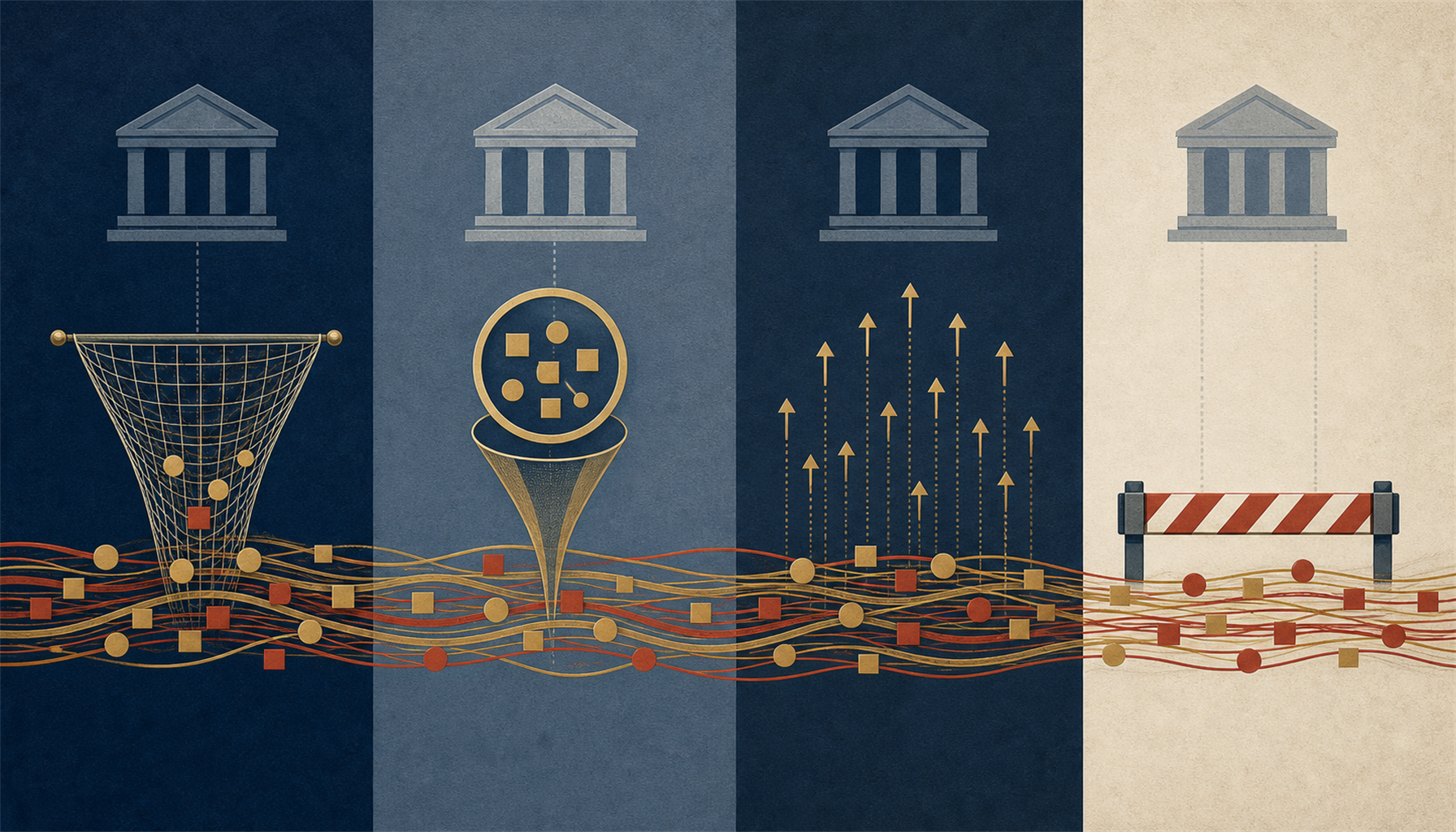
Same Tournament, Different Playbooks: How Singapore, South Korea and the Philippines Police World Cup Betting
As the 2026 World Cup kicked off, several Asian governments announced enforcement surges against illegal betting timed to the tournament. Singapore went after money-mule accounts and ran twin public-awareness campaigns; South Korea launched a citizen tipline that pays small rewards for reporting illegal sites; Malaysia pledged tighter monitoring of gambling promotion. Each is a tactical, time-boxed operation inside a settled regulatory regime. The Philippines is doing many of the same things — blocking sites, chasing promoters — but from a very different place: mid-debate over whether to ban online gambling outright. This analysis compares the playbooks and asks what the Philippine approach gains, and loses, by fighting the tournament and its own policy at once.
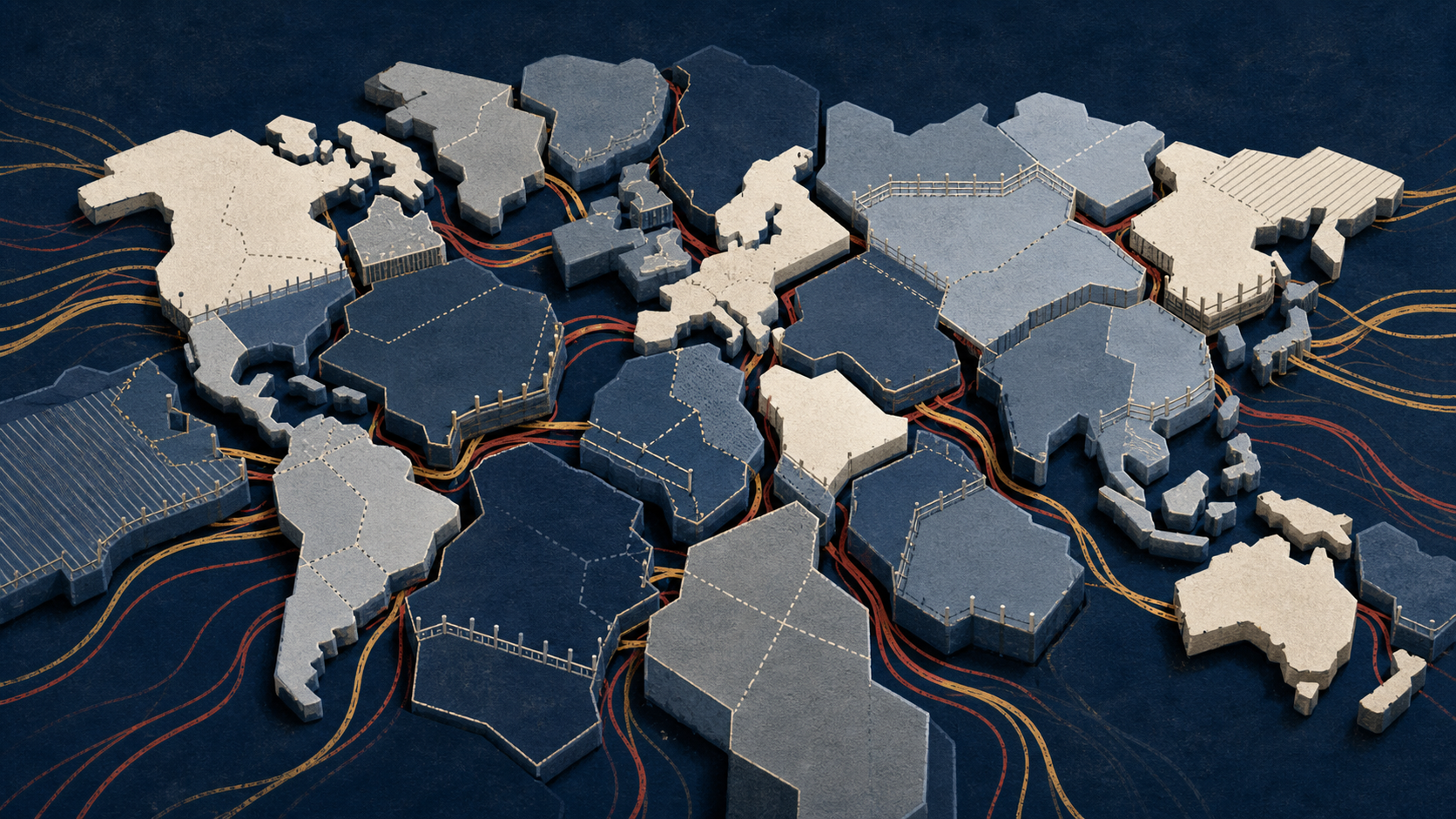
Betting on Impunity: How the Gaps Between National Rulebooks Become the World Cup's Real Risk
A 2026 Global Initiative analysis argues that the biggest betting event in history will heighten risk not because any single market is lax, but because the seams between national rulebooks create impunity. What one country bans, another licenses; what one regulator monitors, another cannot see. The report puts prediction markets — fast-growing, often unlicensed, frequently crypto-settled — at the centre of the problem, and points to FIFA's own roughly $150-million deal with a Gibraltar-licensed prediction-market platform as a sign of how fast the frontier is moving. This analysis reads the regulatory-arbitrage thesis through a Philippine lens: what it means for a country that can only police its own perimeter.
A $50 Billion Tournament: How FIFA's Own Embrace of Betting Raises the Stakes for Filipino Fans
Global betting on the 2026 World Cup is forecast to exceed 50 billion dollars — the largest wagering event in history. Behind that number is a quieter shift: FIFA itself has moved closer to the betting business, signing operator deals, licensing official betting data, and partnering with prediction-market and integrity firms, even as sports-integrity experts warn for the first time about betting-related corruption at a World Cup. This is what the 50-billion figure actually represents, why the rise of prediction markets and crypto-funded wagering matters, and where a Filipino fan sits inside a global betting machine mostly happening outside the licensed perimeter.

The Integrity Net Around the 2026 World Cup — and the Offshore Gap It Cannot Cover
Months before kickoff, FIFA extended its integrity partnership with Sportradar through 2031, keeping the AI-driven bet-monitoring system that has watched more than 600,000 matches since 2017 pointed at the biggest World Cup ever staged. With 48 teams, 104 matches, and a projected wagering surge past the 1.8 billion dollars Americans bet on 2022, the attack surface for match-fixing has never been larger. This is how the monitoring net actually works, why micro-bets are the new soft spot, and where Filipino bettors sit relative to a system that only sees the licensed market.

The Offshore Promo Blitz: Why World Cup Betting Offers Aimed at Filipinos Look Too Good to Be Legal
As the World Cup kicks off, offshore betting brands are flooding Filipino feeds with tournament promotions — leaderboards, points systems, prize draws dangling smartphones, game consoles, and cash awards up to 10,000 dollars. Licensed PAGCOR operators, capped by new rules on how much they can give back, cannot match that. This is the asymmetry the cashback cap quietly created, why the most aggressive World Cup offers are coming from sites outside the licensed perimeter, and how a Filipino bettor can tell the difference before depositing.
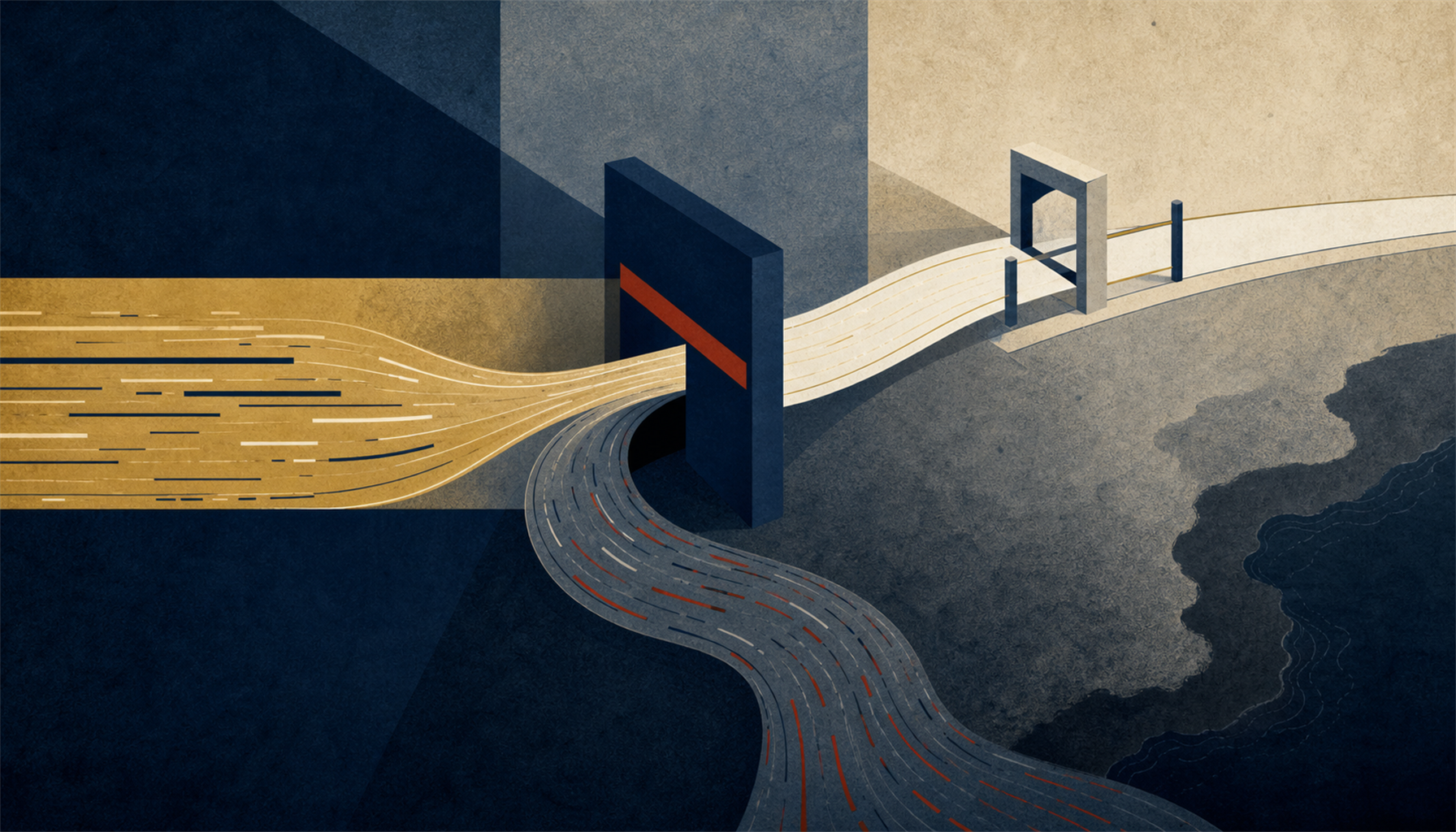
Friction by Design: How the Philippines' Payment Crackdown Meets Peak World Cup Demand
The Philippines has spent a year building deliberate friction into how money reaches a betting account — an August 2025 order severing GCash and Maya from gaming platforms that cut online transactions roughly in half, followed by an outright ban on credit-card and cryptocurrency funding. Friction is the policy, not a bug. But the World Cup is the year's biggest surge in betting demand, and this analysis works through the tension at the center of the design: whether payment friction protects players, pushes some toward offshore crypto sites that accept exactly the banned methods, or does both at once.
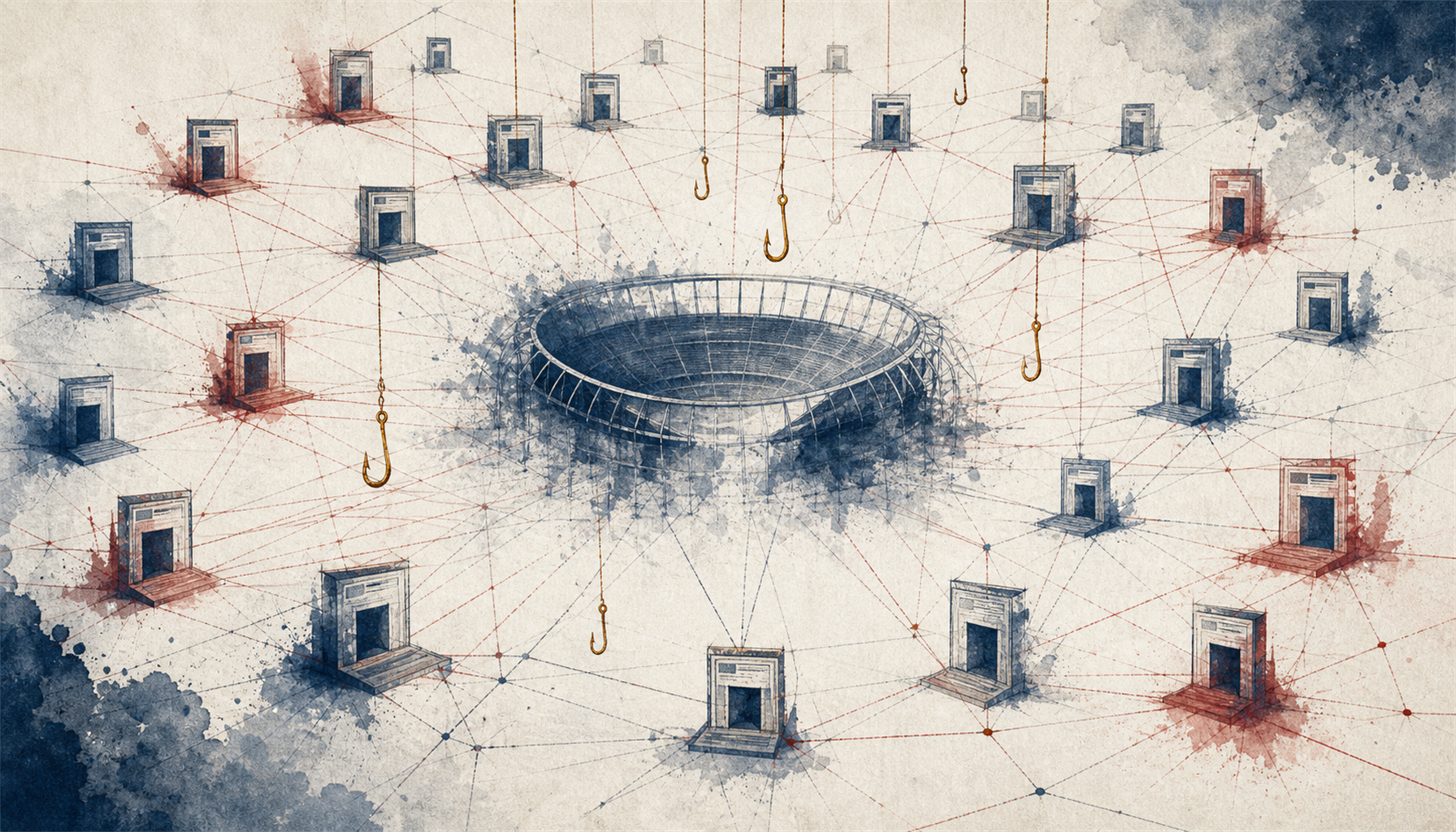
World Cup 2026 Betting Scams Are Already Live: What Filipino Fans Need to Know Before Kickoff
Security researchers have uncovered a sprawling fraud ecosystem built for the 2026 World Cup — more than 4,300 fake FIFA-impersonating domains, a Chinese-speaking group running pixel-perfect clones of FIFA's login page, fake betting sites harvesting passport scans, and pirate streams that install malware. The FBI has issued a public warning. With kickoff days away and a PAGCOR site-blocking push already underway, this is the threat map for Filipino fans and bettors, and the concrete steps to avoid becoming a statistic.
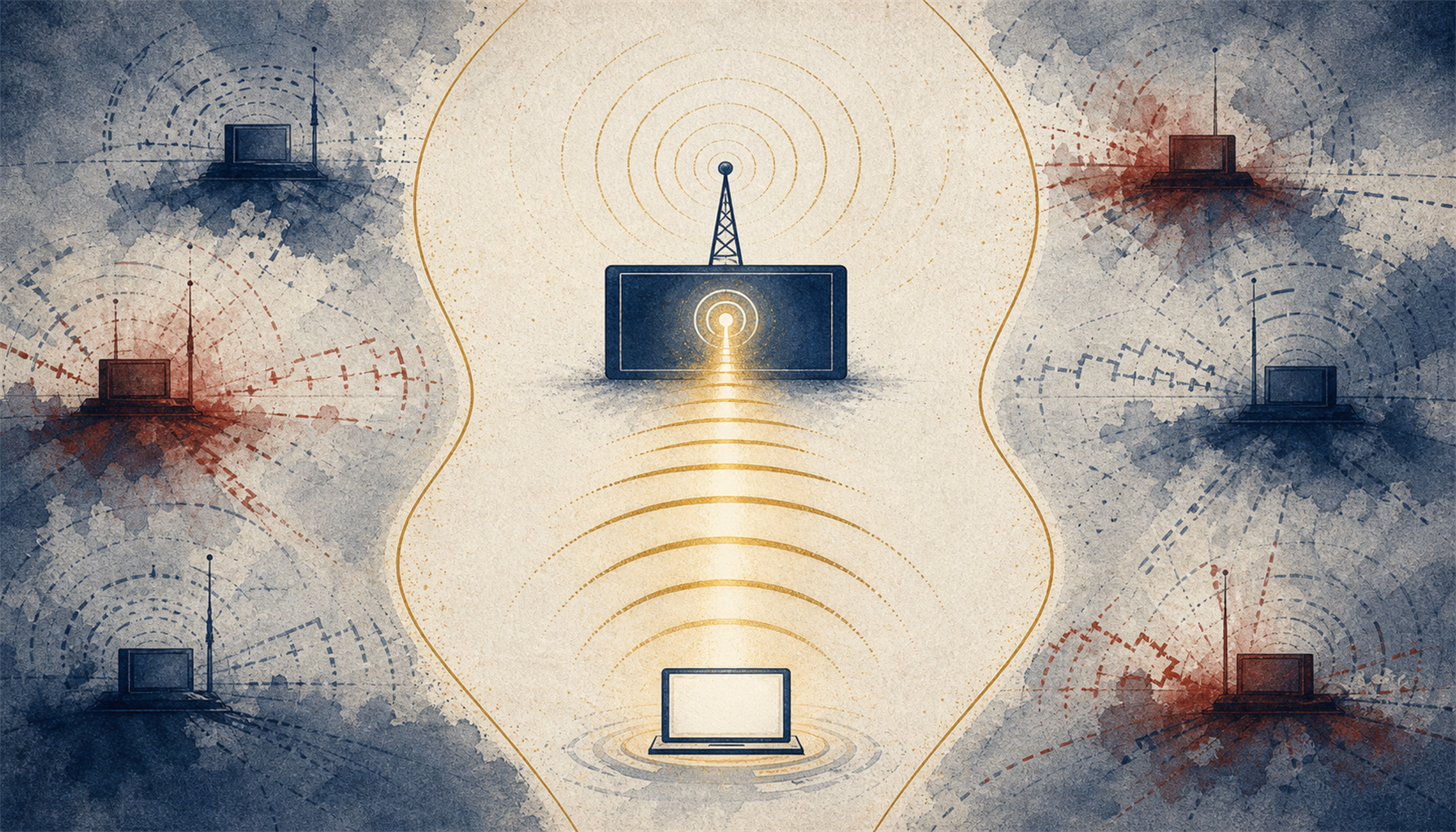
How to Watch the 2026 World Cup in the Philippines — Legally, Free and Paid
The 2026 World Cup is officially distributed in the Philippines through Aleph Group, with BlastTV carrying every match on pay-per-view and select games free on the Aleph Arena YouTube channel, GMA, and TV5. With kickoff around 3:00 AM Manila time, the temptation to chase unofficial streams is exactly what malware operators are counting on. This is the licensed way to watch all 104 matches, what each option costs, and how to avoid the pirate-stream and scam-betting traps that spike around every major tournament.

The World Cup Will Be the Biggest Test Yet of Whether Betting Apps Can Keep Minors Out
A new Jumio study of 8,003 adults finds 63 percent worry that minors will use sports betting apps during the World Cup, and 74 percent say the responsibility for stopping them sits with the platforms and their technology providers — not parents. With betting volume set to surge across a 39-day tournament, the 2026 World Cup becomes a real-world stress test of digital age and identity verification at scale. Here is what that means, where PAGCOR's KYC regime fits, and why the Philippines should watch closely.

48 Teams, 104 Matches, 39 Days: Why the 2026 World Cup Is the Longest Betting-Exposure Window in History
The 2026 World Cup is the first with 48 teams, expanding from 64 matches to 104 across 39 days and three host nations. For fans it means more football than ever. For the betting market — and for responsible-gaming policy — it means something more specific: the longest sustained window of near-daily betting triggers a major tournament has ever produced. This analysis works through what the expanded format changes for the Philippine market, why the risk is the duration rather than any single night, and what it means for operators and regulators alike.

How to Spot an Illegal Betting Site During the World Cup: A Philippine Player's Checklist
The 2026 World Cup will flood Philippine feeds with slick offshore betting ads. Most are not legal to take your bet, and a dispute leaves you with no recourse. This is a plain checklist for telling a PAGCOR-licensed sportsbook from an unlicensed one before you deposit a single peso — license verification, the red flags, and what to do if you've already paid in.
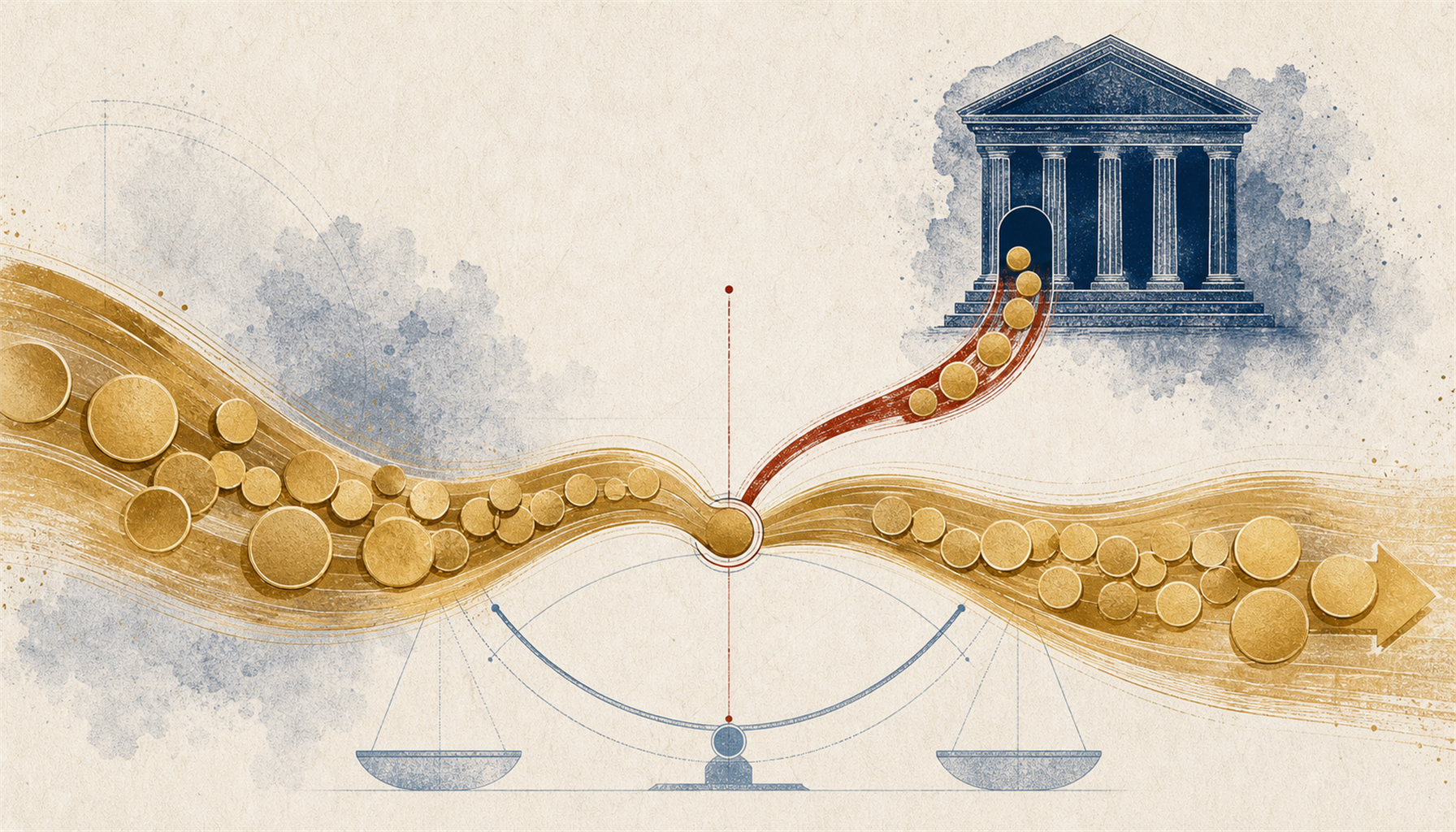
Do You Pay Tax on Betting Winnings in the Philippines? A World Cup Explainer
If you win a World Cup bet, does the BIR take a cut? The honest answer depends on what you bet on and where. This explainer separates PCSO lotto (which carries a 20% final tax) from PAGCOR-licensed sports betting, explains why the operator — not usually the player — bears the gaming levy, and flags the real risks around offshore winnings. Educational, not tax advice.
Live (In-Play) Betting Explained: The Product the World Cup Is Built to Sell
In-play betting lets you wager during a match, with odds that move every few seconds. It's the fastest-growing sports-betting product and the one the World Cup drives hardest — and its speed is exactly what makes it riskier for your discipline. A plain explainer of how live betting works, why the odds shift, and why the format is engineered to keep you betting.

How to Bet on the 2026 FIFA World Cup Legally in the Philippines: A PAGCOR-Licensed Sportsbook Guide
The 2026 World Cup runs June 11 to July 19. This is not a tips page. It is a guide to which sportsbooks are legally allowed to take your World Cup bet in the Philippines, how to verify a PIGO license, what the law actually says, and how the regulated market differs from the offshore sites that will flood your feed during the tournament.

PAGCOR-Licensed Sportsbooks Brace for a World Cup Betting Surge
With the expanded 48-team FIFA World Cup kicking off June 11, the Philippines' licensed PIGO sportsbooks face their largest single sports-betting event since the August 2025 e-wallet delinking reset the market. The tournament lands just months after PAGCOR cut the live sports betting GGR share rate to 15 percent — and the question is how much of the surge the regulated market can actually capture.

Football Betting Odds Explained: How to Read World Cup Markets Without Fooling Yourself
Decimal, fractional, and American odds, implied probability, and the bookmaker's margin — explained plainly, using World Cup examples. The goal is not to help you win. It is to help you understand exactly what a sportsbook is offering and why the house edge means the odds are never a fair coin.
Will the World Cup Move the Needle on Philippine Sports Betting GGR? Doing the Math on the 15% Rate
The 2026 World Cup is the first marquee global event to test PAGCOR's January rate cut. An analytic read of what a six-week, 104-match tournament could plausibly contribute to Philippine sports betting gross gaming revenue — and why the headline event effect is smaller and more structural than the promotional noise suggests.

Responsible Betting During the World Cup: Deposit Limits, Self-Exclusion, and the PAGCOR Helpline
A six-week tournament with a match nearly every day is exactly when betting discipline matters most. A practical guide to the responsible-gaming tools PAGCOR-licensed platforms must offer — deposit limits, self-exclusion — and the National Problem Gambling Helpline launched in May 2026, with the warning signs to watch in yourself and others.
PAGCOR Cuts Live Sports Betting GGR Share Rate from 17.5% to 15%: Why the Math Changed
PAGCOR's January 26, 2026 revision of the live sports betting gross gaming revenue share rate — from 17.5 percent to 15 percent, with the 30 percent virtual betting rate maintained — was the regulator's first substantive accommodation to the licensed online gambling sector since the August 2025 BSP delinking order. An analytic read of what the 2.5-point cut signals about PAGCOR's strategic posture, what it means for ArenaPlus and competing PIGO sportsbooks, and where the next regulatory adjustment is most likely to come.

ArenaPlus Becomes the NBA's First Official Betting Partner in the Philippines
DigiPlus's PAGCOR-licensed sportsbook ArenaPlus and the National Basketball Association announced a multiyear partnership on April 27, 2026, making ArenaPlus the league's first official betting partner in the Philippines. The deal includes integrated NBA branding, localized marketing activations, free-to-play games tied to the NBA Playoffs, and a joint commitment to responsible gambling.

Altenar Powers DigiPlus ArenaPlus Sportsbook in the Philippines
Malta-based sportsbook technology provider Altenar partners with DigiPlus to power the ArenaPlus sports betting platform, expanding digital sports wagering in the Philippine market.