On June 29, 2026, the 2026 World Cup's Round of 32 delivered exactly the sort of fixtures that make a betting board glow: Brazil against Japan, Germany against Paraguay, Netherlands against Morocco — storied names beside teams that many casual bettors would struggle to place on a map. For anyone scrolling the app, the eye goes straight to the badge it knows. Brazil. Germany. France a day later against Sweden. These are not just teams; they are memories, anthems, players you grew up watching lift trophies. Backing them feels less like a gamble and more like siding with the obvious.
That feeling is the subject of this piece. We do not publish tips or picks, and this is not one. But the comfort of the famous name is one of the most reliable ways a bettor overpays, because it runs on a well-documented mental shortcut — familiarity bias, the brain's habit of trusting what it recognises — and that shortcut, harmless in daily life, quietly moves the odds against you on a betting board built to reward exactly this instinct.
Why the brain treats a famous name as a safe one
Familiarity bias is one of the most studied shortcuts in decision-making. Faced with a quick judgment and incomplete information, the mind reaches for what it recognises and tags it as safer, better, more trustworthy — because in ordinary life, the familiar usually is. We choose the brand we know, the route we have driven, the restaurant we have eaten at. The shortcut saves effort and is mostly harmless. On a betting board it misfires, because what the shortcut is actually measuring — how well you know a team — has almost nothing to do with what the bet requires you to predict: whether that team will win this particular match, at this price.
The two things feel like one. "I know Brazil are good" slides effortlessly into "Brazil are a good bet", and the slide happens beneath conscious thought. You are not weighing Brazil's form against Japan's organisation and the price on offer; you are recognising a badge and feeling reassured. The recognition does the work that analysis should, and it does it with a confidence the analysis would not always support. The unfamiliar opponent, meanwhile, gets no such glow — you know little about Japan or Paraguay or Morocco, so they feel riskier, vaguer, easier to bet against, regardless of what the actual matchup says.
Knowing a team is not the same as knowing the bet. The badge you recognise is measuring your memory, not the match.
On the shortcut that prices a bet for youHow fame moves the price against you
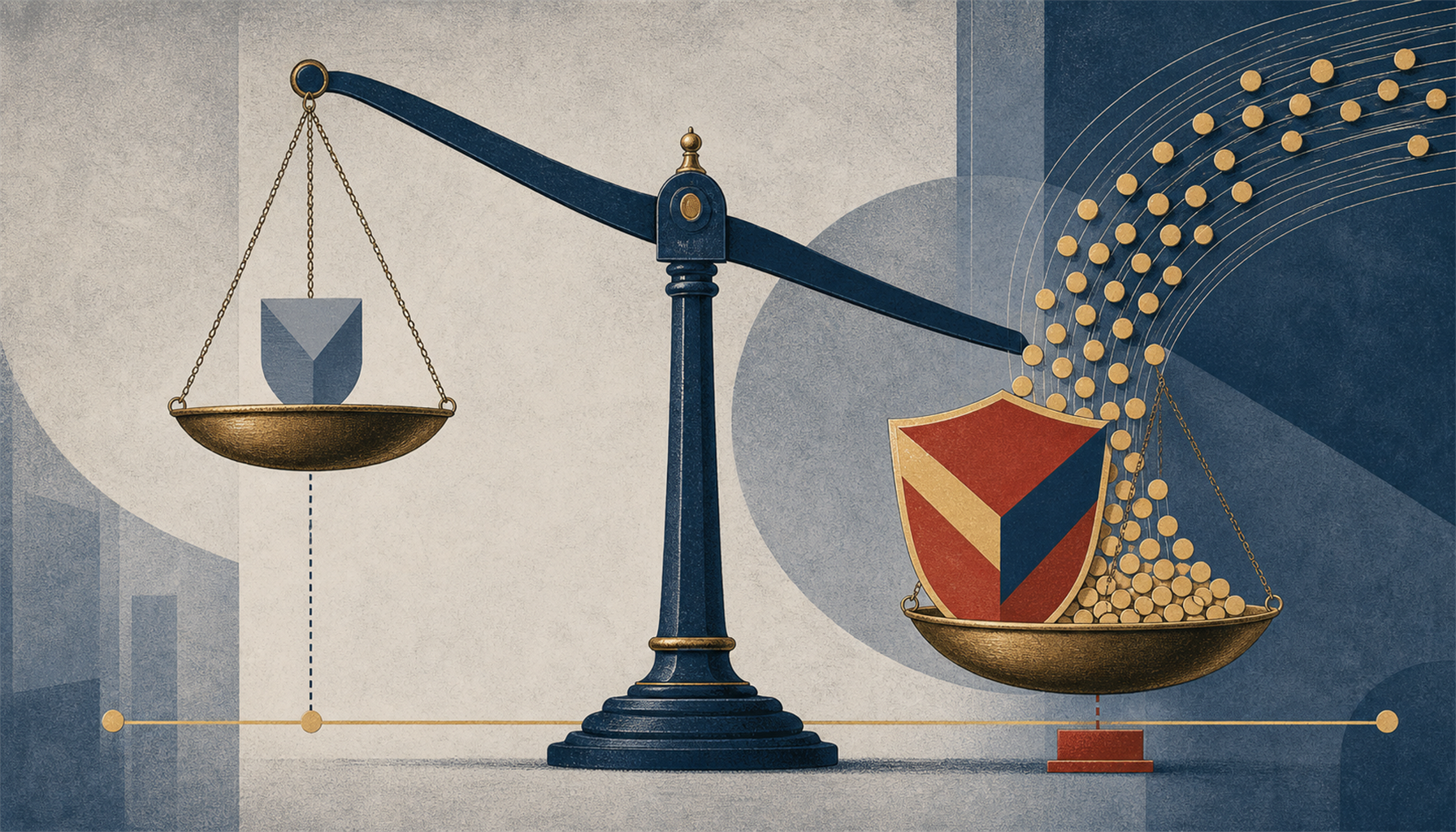
The bias would be merely a private quirk if it stayed in your head. It does not, because millions of bettors share the same shortcut and act on it at once. A recognisable team draws heavy, one-directional public money — people back the name they know — and that flow gives the bookmaker room to shorten the famous side's price while still attracting all the action it wants. The result is precise: the implied probability inside the famous team's odds creeps above its genuine chance of winning. You are paying a premium for fame. This is the same mechanism we traced from the host nation's side when Mexico won its group and the public piled on — sentiment, not probability, doing the pricing — and it is the engine behind the broader favorite-longshot bias the public shows all tournament.
There is a mirror image on the other side of the same match. The lesser-known opponent attracts little defending money, so its price can drift longer than its real chance justifies — not because anyone has judged it weak, but because nobody famous is standing in front of it. So the familiar name is often shortened past fair value while its obscure opponent is often lengthened past it. The bettor who reaches for the badge is buying the worse side of a price that fame, not football, has bent.
A good team is not the same as a good price
None of this means the famous teams are bad or likely to lose. Brazil, Germany and France are storied for a reason; strong sides win plenty, and familiarity bias is not a prediction that the favourite is wrong. It is a statement about price. A great team backed at a price shortened past fair value is still a poor bet, because even when it wins you were paid too little for the risk you took — and across many such bets, overpaying for the names you trust is a steady, almost invisible leak. The discipline is to hold two separate thoughts at once: "this is a strong team" and "this is a fair price" are different questions, and only the second decides whether to bet.
The trap is distinct from simply backing stars, which we covered in the player-prop and Golden Boot markets: that is about a famous individual concentrating uncertainty into one person. This is broader and quieter — the team-level pull of the recognisable crest, the sense that a name you have known your whole life cannot really be a risky bet. It can be, and the more obvious the pick feels on the badge alone, the more worth pausing to check whether the price agrees.
Where this leaves a Filipino reader
As the Round of 32 parades famous names against unfamiliar ones, the badge will keep doing your thinking for you unless you stop it. Three things to carry forward. First, familiarity bias is a real shortcut: the brain tags the team you recognise as safe, but recognition measures your memory, not the matchup, and the two are not the same bet. Second, the bias moves the market — public money on the famous name shortens its price below its true chance, while the obscure opponent is often lengthened past its real chance, so the recognisable side is frequently the worse-value bet precisely because it is recognisable. Third, a good team and a good price are different questions, and only the price decides whether a bet is worth making.
The practical defence is a small pause. When a pick feels obvious because you know the name, treat that ease as a flag, not a green light, and check the implied probability the price is really asking you to believe — you can run it through our odds and implied-probability calculator and ask whether you would take that number on a team you had never heard of. Be just as suspicious of the unfamiliar opponent's tempting long price, which fame on the other side may have inflated. Keep any stake small and framed as entertainment, stay inside the PAGCOR-licensed market where deposit and loss limits are required, and use them. If betting has stopped feeling like a free choice, the responsible-gambling self-assessment is a private, two-minute check, and the National Problem Gambling Helpline answers 24/7 at (02) 8248-9568. The famous badges are wonderful to watch in the knockouts. They are also, on the bet slip, the names you are most likely to overpay to back.
Frequently Asked Questions
Sources
- ESPN, "2026 FIFA World Cup match schedule: Fixtures, results, features"
- NBC Sports, "2026 World Cup Round of 32: Confirmed schedule, predictions for knockout round"
- Yahoo Sports, "World Cup 2026 Round of 32: Full bracket, matchups, schedule and how each team qualified"
- PH Gaming Intel, "Mexico Wins Its Group and the Public Piles On: How Home-Favorite and Patriotic Betting Bias Quietly Shortens the Odds"
- PH Gaming Intel, "Cape Verde Holds Spain, Iran Holds Belgium: What the World Cup's Opening Upsets Teach About the Favorite-Longshot Bias"