The Big Picture: A Sobering Quarter
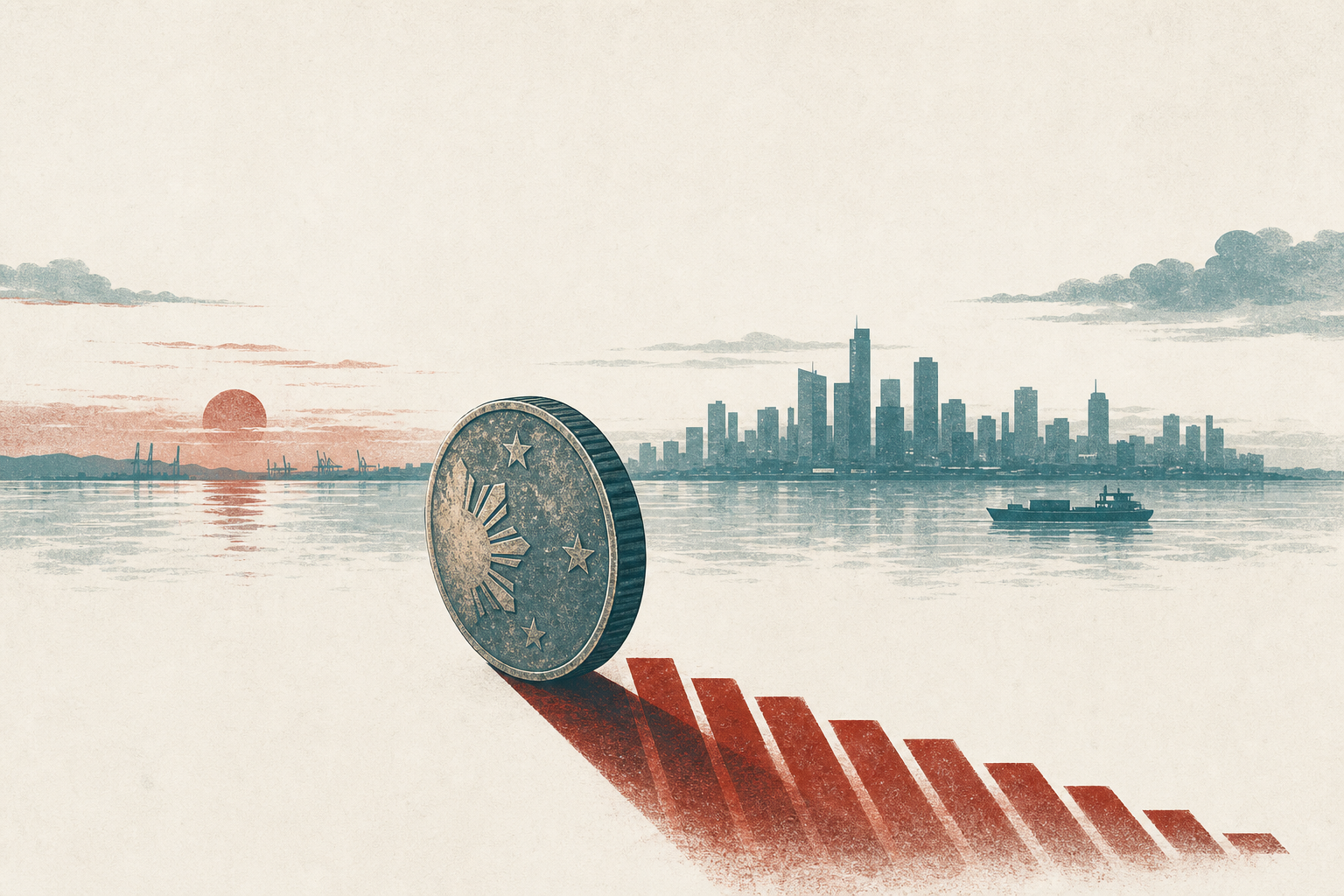
The Philippine Amusement and Gaming Corporation (PAGCOR) has reported that the country's gross gaming revenue fell to PHP87.60 billion (approximately US$1.42 billion) during the first quarter of 2026, a 15.8 percent decline compared to PHP104.12 billion in the same period of 2025. The contraction marks the most significant quarterly decline in Philippine gaming revenue since the industry's post-pandemic recovery began in late 2022.
The decline was broad-based, touching every segment of the regulated gaming market. But it was electronic gaming, the segment most directly affected by the 2024 POGO ban and the subsequent restructuring of online gaming licenses, that led the downturn with a 22.43 percent year-on-year decline. Licensed casinos, meanwhile, remained the single largest contributor at PHP44.52 billion, but even that figure represented a contraction from the previous year's levels.
PAGCOR Chairman Alejandro Tengco, speaking to reporters following the release of the quarterly data, attributed the contraction to a confluence of macroeconomic headwinds. "Softer discretionary spending, driven in part by Middle East geopolitical tensions and sustained inflationary pressures, has weighed on consumer sentiment," Tengco said. "We remain cautiously optimistic about the second half of the year, but we are not in a position to issue full-year guidance at this time."
"We remain cautiously optimistic about the second half of the year, but we are not in a position to issue full-year guidance at this time."
Alejandro Tengco, PAGCOR ChairmanSegment Breakdown: Where the Losses Were Deepest
The Q1 2026 data reveals a gaming industry under simultaneous pressure from both structural and cyclical forces. The POGO ban, enacted in late 2024, eliminated a significant category of Philippine-licensed offshore gaming operators, leaving a void that the new Philippine Inland Gaming Operator (PIGO) and e-Games license frameworks have only partially filled. At the same time, inflation and geopolitical uncertainty have constrained the wallets of both domestic consumers and the international VIP segment.
| Segment | Q1 2026 (PHP B) | Q1 2025 (PHP B) | YoY Change | Share of GGR |
|---|---|---|---|---|
| Licensed Casinos | 44.52 | 51.20 | -13.0% | 50.83% |
| Electronic Gaming (e-Games / PIGO) | 28.91 | 37.27 | -22.43% | 33.00% |
| Bingo Operations | 6.83 | 7.92 | -13.8% | 7.80% |
| PAGCOR-Operated Casinos | 3.17 | 3.84 | -17.4% | 3.62% |
| Other Regulated Games | 4.17 | 3.89 | +7.2% | 4.76% |
| Total GGR | 87.60 | 104.12 | -15.8% | 100% |
Licensed Casinos: Resilient but Shrinking
Licensed casinos, which include the four major integrated resorts in Entertainment City (Solaire, City of Dreams Manila, Okada Manila, and Westside City) as well as Resorts World Manila in Pasay and Clark, generated PHP44.52 billion in Q1 2026. This represented 50.83 percent of total GGR, a slight increase in share from the prior year, but the absolute figure was still down from PHP51.20 billion in Q1 2025.
The licensed casino segment's relative resilience reflects the continued strength of mass-market table gaming and slot operations at the Entertainment City properties, which benefit from captive foot traffic driven by hotel, dining, and entertainment offerings. However, the VIP segment, which had been a growth engine during 2023-2024, showed weakness. Industry sources point to declining junket volume and tighter credit conditions as contributing factors.
Electronic Gaming: The POGO Aftermath
The 22.43 percent decline in electronic gaming revenue is the most striking figure in the Q1 data, and it tells a story that extends beyond cyclical softness. The 2024 POGO ban resulted in the departure of over 300 offshore gaming operators from the Philippines. While PAGCOR has since licensed approximately 40 PIGO operators and maintained roughly 38 e-Games licensees to serve the domestic market, the combined revenue from these domestic-facing platforms has not replaced the lost POGO revenue.
The electronic gaming figure also reflects the competitive dynamics of the new PIGO framework. Operators are still building their player bases, investing in marketing, and negotiating content partnerships. Several major platform launches, including Okada Play and the expansion of ArenaPlus, are expected to contribute more meaningfully to revenue in the second half of 2026.
PAGCOR-Operated Casinos: A Legacy in Decline
PAGCOR's own casino operations, which include the aging Casino Filipino chain scattered across the country, contributed just PHP3.17 billion, or 3.62 percent of total GGR. The figure underscores the ongoing marginalization of PAGCOR's direct gaming operations relative to the privately operated integrated resorts.
This trend has significant implications for the PAGCOR privatization debate. Senate Bill 2814, which would split PAGCOR into an independent gaming commission and a privatized Casino Filipino entity, is premised partly on the argument that PAGCOR's dual mandate as both regulator and operator creates inherent conflicts of interest. The Q1 data, showing PAGCOR's own casinos contributing less than 4 percent of national GGR, adds empirical weight to that argument.
"A 15.8 percent quarterly GGR contraction is one of the sharpest year-on-year drops in the post-pandemic era. The question is whether this is a cyclical trough or the beginning of a structural adjustment."
Senior analyst, regional gaming consultancyGovernment Revenue Impact
Despite the contraction in gaming revenue, PAGCOR remitted PHP5.67 billion in dividends to the national government during Q1 2026. The agency maintained its role as one of the top revenue-generating government-owned and controlled corporations (GOCCs), though the remittance figure was lower than the PHP6.83 billion remitted in Q1 2025.
PAGCOR's contributions to government coffers extend beyond direct dividends. The agency also funds the Philippine Sports Commission, local government units hosting gaming operations, and various social welfare programs mandated by its charter. A sustained decline in GGR could create fiscal pressure on these downstream beneficiaries, a point that several senators have raised in the context of the privatization debate.
Macro Context: Why the Industry Is Under Pressure
The Q1 2026 decline did not occur in isolation. Several macroeconomic factors converged to create a challenging environment for the gaming industry:
- Inflationary pressures: Philippine CPI inflation averaged 4.8 percent in Q1 2026, above the BSP's target range, constraining consumer discretionary spending.
- Middle East tensions: Ongoing geopolitical instability in the Middle East has affected overseas Filipino worker (OFW) remittances, a key driver of domestic consumer spending.
- Currency weakness: The peso traded at an average of PHP61.70 to the US dollar in Q1, reducing the purchasing power of peso-denominated gaming budgets for international visitors.
- VIP travel softness: Chinese and Southeast Asian VIP travel to Philippine casinos declined amid tighter capital controls and competing IR openings in the region.
Looking Ahead: Cautious Optimism Without Guidance
Tengco's refusal to issue full-year guidance is notable. In 2025, PAGCOR had projected full-year GGR of PHP420 billion, a target that it ultimately missed by a small margin. The absence of a 2026 target suggests that the agency is uncertain about the trajectory of the recovery.
Several catalysts could improve the outlook for the second half of the year. The scheduled launches of new PIGO platforms, the potential opening of Westside City's expanded gaming floor, and seasonal strength during the holiday period could all provide tailwinds. However, if inflationary pressures persist and VIP demand remains weak, the full-year figure could fall well below 2025 levels.
Key Takeaways
- Philippine GGR declined 15.8% YoY to PHP87.60 billion in Q1 2026, the sharpest quarterly contraction since the post-pandemic recovery.
- Electronic gaming was the hardest hit segment at -22.43%, reflecting the ongoing adjustment to the post-POGO licensing landscape.
- Licensed casinos remained the dominant revenue source at 50.83% of GGR, but absolute revenue still declined year-on-year.
- PAGCOR remitted PHP5.67 billion to the government but declined to issue full-year 2026 revenue guidance.
- Macroeconomic headwinds including inflation, currency weakness, and geopolitical tensions are expected to continue weighing on the industry through H1 2026.
Frequently Asked Questions
Sources
- PAGCOR Q1 2026 Quarterly Revenue Report (official release)
- Focus Gaming News, "Philippine Gaming Revenue Falls 15.8% in Q1 2026," May 18, 2026
- BusinessWorld, "PAGCOR Reports Sharp Revenue Decline Amid Macro Headwinds," May 18, 2026
- Philippine Star, "Tengco: No Full-Year GGR Guidance for 2026," May 18, 2026
- Bangko Sentral ng Pilipinas, Q1 2026 Inflation Report